Research consistently indicates that married men generally exhibit improved mental health, enhanced career stability, extended life expectancy, and more strong emotional support networks when compared to their unmarried counterparts, according to Waite and Gallagher (2000). This foundational research notes a significant advantage that marriage often confers upon men, showing the deep benefits derived from such partnerships. However, within African cultural contexts, numerous marriages face dissolution due to factors such as toxic family interference, detrimental traditions, and unresolved generational trauma. These elements often contribute to significant challenges for couples across the continent, placing immense strain on the marital bond and individual well-being. The widespread nature of these issues means that many relationships struggle to thrive, despite the inherent benefits marriage offers.
The Wife's Essential Contribution
A wife is seen as a foundational element in establishing a home environment, providing a range of intangible benefits to her husband's life. Her role often encompasses infusing emotional warmth, contributing to a sense of peace, and fostering overall stability within the household. This contribution extends to creating an atmosphere of comfort and structure, which are considered vital for a man's well-being. The domestic sphere, shaped by the wife's presence, is often presented as a sanctuary that underpins a man's ability to engage with the world outside the home. This perspective notes the wife's central role in building and maintaining the domestic unit, transforming a mere dwelling into a true home. Her efforts create a supportive backdrop against which a man can pursue his goals with greater assurance and peace of mind.
Cultural Hurdles and Male Readiness
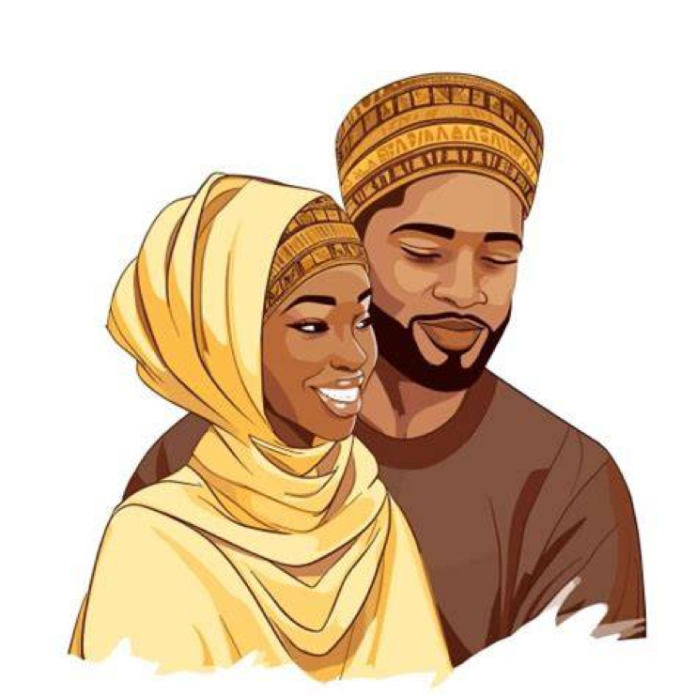
Many African men are taught how to provide financially but often lack instruction in emotional accountability, empathy, or emotional intelligence. This disparity in upbringing leaves a key gap in their preparation for the complexities of marital life, where emotional reciprocity is critical. Such an educational void can lead to significant misunderstandings and unfulfilled expectations within relationships, contributing to marital discord. The experiences of Modou and Fatou exemplify the challenges and potential for growth within this context. Their story illustrates a man's transformation that can occur through the support of a dedicated wife, alongside the persistent difficulties posed by family interference. Modou's journey, particularly with the assistance of Fatou, notes how a partner can contribute to a man's development in areas traditionally overlooked in his upbringing. Their narrative demonstrates the significant impact a supportive relationship can have on an individual's personal evolution, even when contending with external pressures from family. It shows the profound influence a wife can have in nurturing her husband's emotional maturity, which is often a critical, yet underdeveloped, aspect of male socialization in many African societies.
Nurturing the Garden
A healthy marital relationship is understood to cultivate beneficial environments for offspring, leading to more peaceful households and contributing to the strength of broader communities. This perspective emphasizes the interconnectedness of individual family units with societal well-being. When a marriage is healed and thriving, it creates a nurturing space for children, fostering their development into well-adjusted and resilient individuals. This, in turn, contributes to the overall stability and prosperity of the wider community. The future stability and prosperity of African families are therefore seen as contingent upon several key elements, including love, emotional healing, and a commitment to accountability within relationships. Protecting healthy family dynamics is also considered essential for fostering resilient and thriving communities across the continent. Such protection involves actively addressing issues like toxic family interference and unhealed generational trauma, ensuring that marriages can flourish and provide the foundational strength necessary for societal advancement. The collective well-being of African nations is intrinsically linked to the health and vitality of its family units.