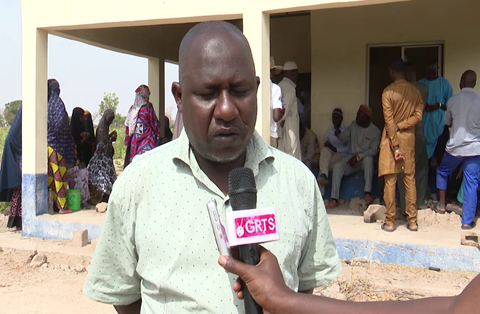
Farmers in The Gambia's Upper River Region (URR) have been advised to plant crops immediately following the onset of consistent rainfall, as forecasts predict below-normal precipitation for the year. This proactive call comes amid expectations of approximately 600mm of rainfall, prompting agricultural officials to encourage early cultivation. Farmers are specifically urged to plant cereals such as maize, rice, and millet, alongside groundnuts, to maximize yields within the anticipated shorter rainy season. The recommendation aims to help farmers adapt to the projected weather patterns and secure their harvests. This urgent guidance shows the critical need for timely agricultural practices in the face of changing climatic conditions. The advice is particularly pertinent for the 2026 cropping season, for which forecasts uniformly predict below-normal rainfall across the entire nation. By initiating planting activities early, farmers can better utilize the available moisture and give their crops a stronger start, thereby mitigating the risks associated with reduced overall precipitation.
Favourable Conditions for Planting
Rainfall data from The Gambia's Department of Water Resources and Hydromet indicate that the current season has commenced with conditions favorable for agricultural planting. Several significant rainfall events have been recorded, providing moisture for early cultivation efforts. On May 2, 2025, the region experienced 20.0 millimeters of precipitation. This early rainfall, though occurring in the previous year, set a precedent for the importance of monitoring early season moisture. Later, on May 24, 2026, an additional 20.3 millimeters of rain was recorded, signaling the true onset of the planting season for the current year. This was followed by another significant event on May 26, 2026, when 25.3 millimeters of rain contributed further to soil moisture levels. The early June period also saw substantial rainfall, with 64.0 millimeters falling on June 8, 2026. Two days later, on June 10, 2026, another 29.3 millimeters of rainfall was observed. These measurements support the assessment of suitable early planting conditions in the Upper River Region, providing farmers with the necessary initial moisture to begin sowing their crops. The consistent, albeit sporadic, early rains are a key factor in the success of the agricultural season, especially when overall rainfall is expected to be lower than average. These early precipitation events allow for the necessary soil conditioning and germination, laying the groundwork for a productive harvest.
Director's Advice and Crop Recommendations
Forecasts for the 2026 cropping season indicate below-normal rainfall across The Gambia. Agricultural authorities are consequently advising farmers in the Upper River Region (URR) to initiate planting as early as possible to mitigate potential impacts from the reduced precipitation. The Department of Agriculture generally recommends that planting activities occur within the June-to-October production period. However, given the current projections, an accelerated schedule is being emphasized to maximize the use of available moisture. This strategic shift in planting timelines is a direct response to the climatic outlook, urging farmers to capitalize on every early rain event. The advice extends to specific crop choices, with farmers strongly encouraged to plant cereals like maize, rice, and millet, which are staple food crops, alongside groundnuts, an important cash crop. These crops are selected for their suitability to the region and their importance for both food security and economic stability for farming households.
The ideal planting period for the URR is typically identified as spanning from April 20 to July 15. This window is considered optimal for establishing crops before the most intense dry spells. Recent rainfall data from the Department of Water Resources and Hydromet has shown some early precipitation events that could support early cultivation. On May 29, 2026, the region recorded 33.7 millimeters of rain, providing a critical window for farmers to commence their planting efforts. This early moisture is key for allowing crops to establish strong root systems ahead of any potential mid-season dry spells. Farmers are encouraged to take advantage of these early rains to ensure their crops have the best chance of survival and yield. The emphasis on early planting aims to ensure that crops can develop sufficiently before the anticipated reduction in rainfall later in the season. This proactive approach helps to build resilience against adverse weather conditions and contributes significantly to the overall success of the cropping season.
The full strategy also includes guidance on agricultural techniques that can help conserve moisture and improve soil health, further supporting the crops through potential dry periods. These measures, combined with the timely planting of recommended crops, are designed to optimize yields even under challenging climatic forecasts. The Department of Agriculture continues to monitor weather patterns closely, providing updated advice to farmers as the season progresses, ensuring they have the most current information to make informed decisions.
Agricultural Interventions and Support
A new agricultural intervention program, The Reward Project, has begun distributing seeds to its target communities in the Upper River Region. The initiative aims to support farmers in their early planting efforts, providing essential resources at a key time. This timely distribution is vital for farmers to capitalize on the early onset of favorable conditions. Meanwhile, GIRAV, another agricultural entity, is anticipated to deliver additional seeds by the following week, further bolstering resource availability for local cultivators. These efforts coincide with recent weather patterns that have seen some early precipitation, providing suitable conditions for sowing. The coordinated support from these organizations is a testament to the commitment to ensuring food security and agricultural productivity in the region.
Rainfall data indicate that 25.3 millimeters of rain were recorded on May 26, 2026, contributing to the moisture levels necessary for early crop establishment. Such early rains are considered vital for allowing crops to develop strong root systems before any potential mid-season dry spells, particularly given the forecast for below-normal rainfall. The timely distribution of seeds by these programs is key for farmers to take advantage of these favorable early conditions, ensuring that they do not miss the narrow window of opportunity for optimal planting. The provision of quality seeds, adapted to the local climate and soil, is a cornerstone of these intervention programs, designed to maximize the chances of a successful harvest.
The Ministry of Agriculture is responsible for the procurement and distribution of fertilizers, a key component in supporting crop growth and maximizing yields. This centralized responsibility ensures that agricultural inputs are managed and supplied to farmers as part of broader efforts to enhance food security and agricultural productivity across the region. The Ministry's role extends beyond mere distribution; it involves strategic planning to ensure that the right types of fertilizers are available at the right time, tailored to the specific needs of different crops and soil types in the URR. This full approach, combining early planting advice, seed distribution from intervention programs like The Reward Project and GIRAV, and the Ministry of Agriculture's provision of fertilizers, aims to equip farmers with the necessary resources and knowledge to navigate the projected challenging weather conditions effectively. The collective efforts are geared towards strengthening the agricultural sector, enhancing the resilience of farming communities, and ultimately securing food supplies for the Upper River Region.