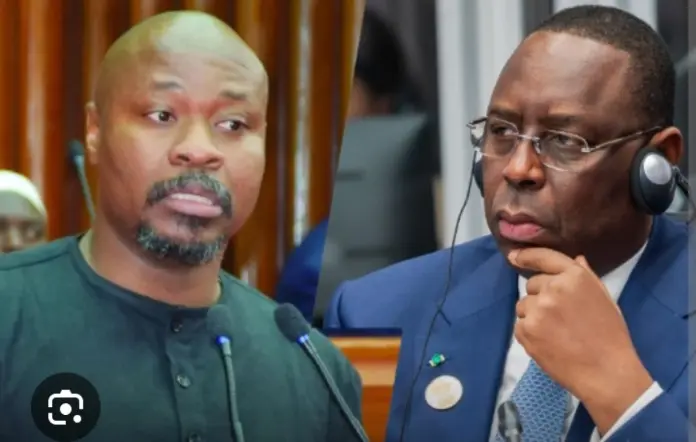
The Alliance for the Republic (APR) has formally announced its decision to boycott the national consultations, which are scheduled to take place from May 21 to May 31. This definitive stance means that no party representative from the Alliance for the Republic will participate in these key national discussions. The decision comes as the APR registers its non-participation in the upcoming talks, signaling a significant political development ahead of the dialogue. The party's statement showed its firm position regarding the consultations, indicating a complete withdrawal from the process.
Reasons for Boycott
The Alliance for the Republic (APR) has issued strong criticism against President Bassirou Diomaye Faye, alleging that his administration has deliberately ignored established political parties and coalitions throughout the consultation process. This perceived oversight, according to the APR, undermines the inclusive nature expected of such national dialogues. The party deplored the conspicuous absence of clear terms of reference for the upcoming consultations. This lack of foundational documentation, the APR stated, raises serious questions regarding the precise agenda that will be discussed, the specific participants who have been invited to contribute, and the overall objectives that the government aims to achieve through these discussions. The party expressed concern that without these fundamental guidelines, the consultations lack transparency and direction.
The APR further contended that the chosen format for the consultations falls significantly short of the stipulations outlined in the 2016 decree. That decree, they noted, specifically established the steering committee for national dialogue and explicitly designated May 28th as the official day for such a dialogue to occur. The party's statement indicated that the current arrangements did not align with these established protocols, suggesting a deviation from previously agreed-upon frameworks for national discussions. This perceived disregard for prior legal and procedural frameworks forms a core part of the APR's rationale for its boycott.
Context of Dialogue
The Alliance for the Republic (APR) has denounced the consultation process, characterizing it unequivocally as exclusive and contrary to Senegal's established republican traditions of dialogue. The party asserted that the current approach constitutes a significant departure from a decade-long tradition of republican, transparent, and inclusive dialogue within the country. This tradition, according to the APR, has been consistently respected over the past ten years, ensuring broad participation in national discussions and fostering a sense of collective ownership over national decisions. The party's statement noted its concerns that the current arrangements undermine these long-standing principles of inclusivity and transparency in national political discourse, thereby jeopardizing the integrity of the dialogue itself. The APR emphasized that this break with tradition is a key factor in its decision to abstain from the process.
Implications for Process
The Alliance for the Republic's (APR) decision to boycott the national consultations removes a significant opposition force from the discussions, potentially diminishing the process's overall representativeness. The absence of a major political entity such as the APR could cast doubt on the legitimacy and inclusiveness of the outcomes derived from these talks. Observers suggest that without broad participation, the consultations may struggle to achieve widespread acceptance or adequately reflect the diverse political landscape of Senegal. The boycott also raises pertinent questions about the government's ability to foster a truly national dialogue if key opposition voices are not at the table, potentially leading to a less full and less credible resolution of national issues. This lack of a major opposition voice, the APR claims, could undermine the very purpose of the consultations.