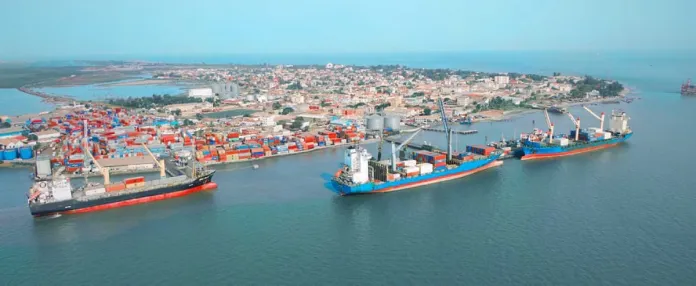
The National Assembly’s Public Enterprises Committee recently reviewed audit findings concerning the Gambia Ports Authority’s Banjul Port Expansion Project, uncovering significant financial and tax irregularities. This critical examination by the Public Enterprises Committee (PEC) is part of its oversight function, scrutinizing the financial probity and operational efficiency of public enterprises. The review specifically noted concerns related to tax compliance and foreign exchange management within the project. The audit findings, which were presented to the committee, revealed that US$123,600 in withholding taxes were deducted from various suppliers but were not subsequently remitted to the Gambia Revenue Authority (GRA). This failure to remit taxes, already collected, represents a direct loss of revenue to the state and raises questions about the financial controls in place.
Tax Compliance Lapses Identified
A detailed scrutiny of the project's financial records revealed multiple instances of non-compliance with national tax regulations. Beyond the unremitted supplier taxes, the expansion project also failed to withhold taxes for contract staff, amounting to US$7,200 during the financial year 2025. This omission indicates a systemic issue in adhering to tax obligations for personnel engaged by the project. Auditors, in their report, strongly recommended that management comply with the Income and Value Added Tax Act by ensuring that all applicable withholding taxes are properly deducted and subsequently remitted to the Gambia Revenue Authority (GRA) without delay.
In response to these findings, the Gambia Ports Authority (GPA) admitted the issue, citing uncertainty over which entity bears responsibility for paying these specific withholding taxes. The GPA clarified that these particular payments were made directly by the African Development Bank (AfDB) to consultants, complicating the traditional withholding tax process. The Authority further stated its intention to engage the GRA to clarify the matter, seeking a definitive interpretation of tax responsibilities under such direct payment arrangements. If necessary, the Authority indicated it would seek a tax waiver from the Ministry of Finance and Economic Affairs, noting that the project is financed primarily through a grant, which often carries specific financial stipulations. Discussions were ongoing with development partners to determine how such taxes should be handled in the future, aiming to prevent similar issues in subsequent project phases or similar grant-funded initiatives. The auditors emphasized that clarity on tax responsibilities is critical to avoid future non-compliance and ensure adherence to national fiscal laws.
Exchange Rate Discrepancies Uncovered
The audit of the Banjul Port Expansion Project also identified discrepancies in the exchange rates utilized for direct payments made by the project, which ultimately resulted in a net exchange difference of US$9,346.07. Auditors stated unequivocally that the rates applied during these transactions were not aligned with the applicable market rates at the time the transactions occurred. This misalignment suggests a potential weakness in the project’s financial accounting systems or a lack of stringent oversight in currency conversions.
The Gambia Ports Authority (GPA) explained that the project relies on exchange rates generated automatically by the QuickBooks online accounting system for its financial recordings. While automated systems can enhance efficiency, this incident shows the need for manual verification and reconciliation processes, especially concerning foreign currency transactions. Management acknowledged the identified amount as an exchange loss and subsequently recognized it within the revised financial statements for the project. This recognition, while a step towards transparency, does not negate the initial discrepancy. The audit noted that the reliance on automatically generated rates, without adequate checks against prevailing market conditions, can lead to financial losses and inaccuracies in financial reporting. The discrepancy necessitates a closer monitoring of automatically generated rates against prevailing market conditions to safeguard the project's financial integrity and prevent future losses.
Audit Context and Recommendations
The audit of the Banjul Port Expansion Project specifically covered the financial year that concluded on December 31st, 2025. This period was key for assessing the project's financial health and compliance. Auditors informed the committee that despite a review of revised financial statements submitted by the GPA, certain issues remained unresolved, indicating persistent challenges in fully addressing the identified irregularities. They specifically requested additional clarification regarding the foreign currency translation discrepancies identified within the project's accounts, emphasizing the need for a full explanation of how these discrepancies arose and what measures are being implemented to prevent their recurrence. The Public Enterprises Committee expects clear and actionable responses from the Gambia Ports Authority to ensure accountability and strong financial management for this vital national infrastructure project.