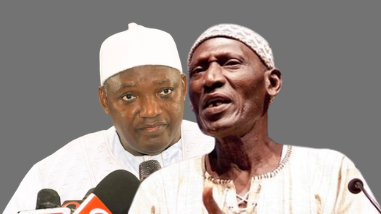
President Adama Barrow recently launched road projects in Wuli, speaking in Foday Kunda where he laid the foundation for a road connecting several villages in Wuli East and West. The launching of these significant infrastructure projects shows the government's commitment to regional development. During his address, the President claimed his development record remains beyond challenge, asserting, "Today, Sedia’s prediction is right." This statement noted the perceived success of his administration's initiatives. Barrow also reflected on his past political journey, stating, "Foday Kunda is part of my political history too." He recalled a time when "the people I was working with didn’t want my name to go public because they didn’t want my presidency," adding, "they were hiding and afraid." President Barrow noted that "even people with small change in their pocket start forming a party," but cautioned, "They think they have money, but that small money will be finished." This observation was part of a broader critique of the current political landscape.
Honoring Past Promises
President Adama Barrow called upon Sidia Jatta of the People's Democratic Organisation for Independence and Socialism (PDOIS) to join his national development drive. This invitation signals a desire for broader political collaboration on issues of national importance. Barrow stated that Mr. Jatta had previously suggested his government’s development agenda should commence in the Upper River Region, specifically mentioning Wuli. The President noted that his administration was now fulfilling this recommendation through ongoing projects in the area, thereby demonstrating a commitment to addressing long-standing regional needs.
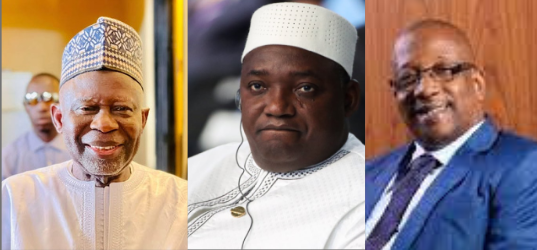
Barrow extended invitations to both Mai Ahmad Fatty and Sidia Jatta to attend the rally in Foday Kunda, signaling an overture for broader political participation in national initiatives. These invitations were not just for the recent event but also referenced a previous, key political meeting. This move comes as the government emphasizes infrastructure development in regions like Wuli, which have historically faced development challenges. Community leaders in Wuli have described the newly launched road projects as a long-awaited breakthrough for the area, expressing optimism about the future. The ongoing work aims to improve connectivity and facilitate economic activity across Wuli East and Wuli West, aligning with the development objectives outlined by the President and promising significant improvements for local residents and businesses. The President's administration views these projects as tangible evidence of its dedication to national progress and inclusive growth.
Roots of Political Movement
President Adama Barrow recounted an earlier "Meet-The-People Tour" where he had planned to conduct a political meeting in Foday Kunda, following a stop in Bajakunda. That rally became one of the most defining political moments of his career, according to Barrow, marking a key turning point. It was in Foday Kunda that the Barrow Youth Movement for National Development was launched, an organization that would play a significant role in his political ascent.
Barrow stated that he personally financed the visibility efforts of the Youth Movement, including printing T-shirts and banners, and covering the transportation costs for supporters. This personal investment showed his commitment to the nascent movement. The Youth Movement subsequently transformed into a fans club, which eventually evolved into the National People’s Party, the President's current political platform. Foday Kunda is therefore described as the symbolic birthplace of President Barrow's current political establishment, holding significant historical and emotional resonance for him. This narrative emphasizes the humble beginnings and organic growth of his political base, rooted in grassroots support and personal dedication.
Critique of Opposition
President Adama Barrow reflected on a previous attempt to hold a political meeting in Foday Kunda, noting that the deplorable state of the road made the journey impossible at that time. This personal experience noted the very infrastructure challenges his administration is now addressing. He had promised to return for a bigger rally, a commitment he stated was now honored with his current visit, fulfilling a long-standing pledge to the community.
Barrow also offered a critique of the current political landscape, stating that Gambia’s democratic space has become so free that "even people with small change in their pocket start forming a party." This comment reflects his view on the proliferation of political entities in the post-2016 era. He suggested that many current political actors, whom he did not name, were notably absent before the democratic transition of 2016 because "they were hiding and afraid." This implied criticism draws a contrast between his own political journey and what he perceives as the opportunism of others.
The President further commented on his opponents' financial viability, remarking, "They think they have money, but that small money will be finished." This statement suggested a belief in the transient nature of their financial resources and, by extension, their political longevity. He accused these opposition politicians of being primarily motivated by personal ambition rather than a genuine commitment to national service, challenging their credibility and dedication to the country's welfare. This critique forms a significant part of his public discourse, aiming to differentiate his administration's focus on development from what he characterizes as self-serving political maneuvering.