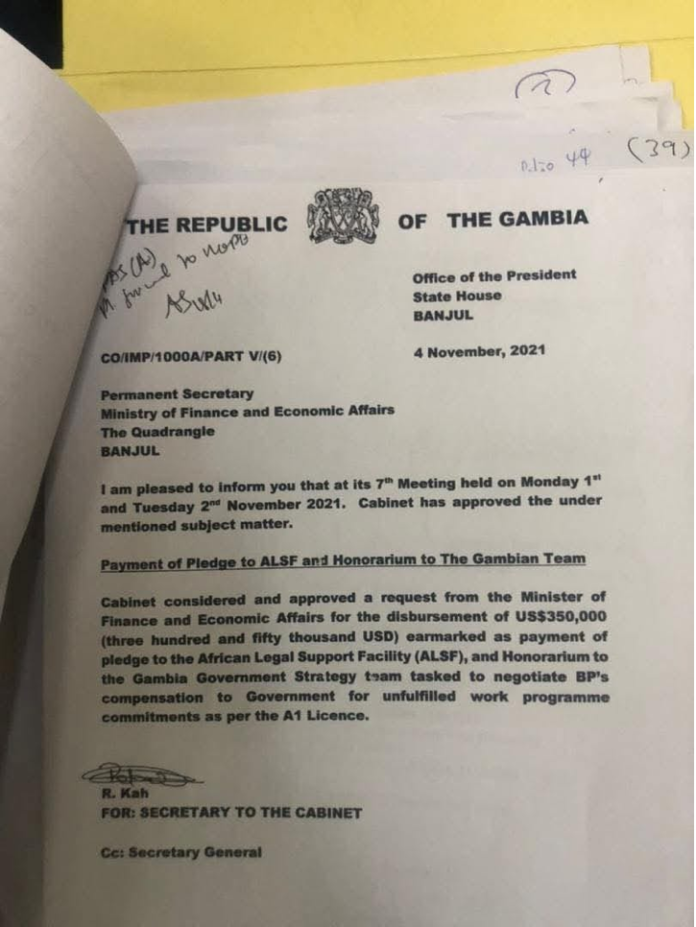
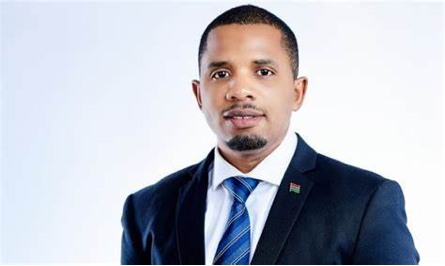
The recent resignation of Chief of Defence Staff (CDS), Lieutenant General Mamat OA Cham, has reportedly exposed a governance crisis in The Gambia. This significant development notes what one source described as a "deeper governance crisis confronting The Gambia," pointing to underlying systemic issues rather than isolated incidents.
"While public resignations and investigations are often celebrated as victories for accountability, they remain insufficient to address the entrenched culture of corruption embedded in both state institutions and society," a letter to the editor stated. The letter further argued that corruption in The Gambia "must be understood beyond the narrow binary of resignation and investigation," advocating for examination "through broader structural and institutional lenses." This perspective suggests that a more full approach is needed to tackle the widespread nature of corruption.
Understanding Corruption's Roots
To effectively combat corruption, it is key to differentiate between its various forms. Petty corruption often manifests as everyday bribery and abuse of office by lower-level officials within state institutions, impacting citizens directly in their daily interactions. Conversely, grand corruption typically involves large-scale embezzlement and elite capture by political and economic figures, often operating at the highest levels of government and business. Systemic corruption, which is perhaps the most insidious, emerges when institutional frameworks are weak, compromised, or demonstrably incapable of enforcing accountability across the board. Robert Rotberg (2004) observed that the process of state failure initiates when governments lose legitimacy and become unable to provide essential services such as accountability, justice, and effective governance to their populations. This erosion of state capacity contributes to an environment where corruption can become deeply entrenched, undermining public trust and the rule of law.
The Perils of Weak Institutions
Past experiences in Sierra Leone and Liberia illustrate how corruption, elite predation, exclusion, and weak institutions can fuel grievances that contribute to state collapse and civil conflict, according to Reno (1998). These examples highlight the potential for systemic corruption to undermine national stability and peace. Political scientist Samuel Huntington (1968) further argued that weak political institutions, when combined with rapid political competition, often generate instability and disorder within a state. Such conditions can create an environment where accountability mechanisms fail, allowing corruption to flourish unchecked and eroding public trust in governance structures. The interplay between institutional fragility and political dynamics can therefore pose significant risks to a nation's long-term peace and development, making institutional strengthening a critical imperative.
Pathways to Genuine Reform
Fighting corruption in The Gambia requires a multi-faceted approach centered on strengthening governance structures and fostering a culture of accountability. This strategy includes implementing institutional reforms, which are essential to prevent illicit practices from taking root within state bodies and ensuring that public offices serve the collective good. Establishing independent oversight mechanisms is also critical to ensure that government actions are transparent and subject to scrutiny, free from political interference and undue influence. Genuine reform necessitates strong judicial accountability, ensuring that those implicated in corrupt activities face appropriate legal consequences regardless of their position or status. Beyond governmental structures, fostering civic responsibility is vital; this involves empowering citizens to demand transparency, participate actively in governance, and hold leaders accountable for their actions. Ultimately, enduring change requires cultivating a national political culture that consistently prioritizes collective interests over individual or personal gain, thereby embedding ethical conduct at all levels of society and fostering a sustainable environment of integrity.