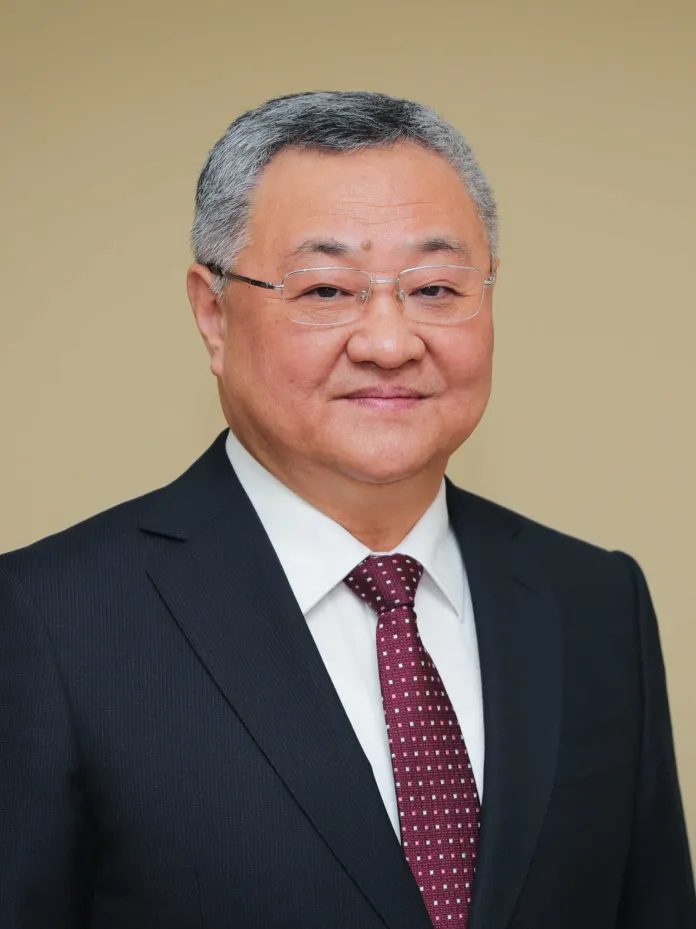
China assumed the rotating presidency of the UN Security Council for May 2026, marking a significant period for the nation's diplomatic engagement on the global stage. Ambassador Fu Cong, China's permanent representative to the United Nations, is leading the country's responsibilities at the global body during this key month. The rotating presidency, a fundamental aspect of the Security Council's operational structure, grants China the authority to set the agenda, preside over meetings, and guide the council's work for the entire month. This role provides a unique platform for China to steer international discussions on peace and security.
During its term, China plans to convene a high-level open debate on May 26, 2026, according to statements issued by the United Nations. This event is anticipated to be a cornerstone of China's presidency, drawing attention from member states and international organizations alike. The planned debate will focus on the timely and critical theme of "upholding the purposes and the principles of the UN Charter and strengthening the UN-centred international system." This theme shows China's consistent advocacy for multilateralism and the central role of the United Nations in global governance.
This high-level discussion is not merely a formality; it is expected to serve as a key forum for member states to reaffirm their commitment to the foundational principles of international law and cooperation. By emphasizing the UN Charter, China aims to reinforce the framework for peaceful coexistence and conflict resolution that has guided international relations for decades. The focus on a "UN-centred international system" further notes Beijing's vision for a world order where global challenges are addressed through collective action and established international norms, rather than unilateral approaches. This event is expected to be a central part of China's agenda during its presidency in New York, offering an opportunity to shape the discourse on global peace and security.
Priorities for the Council
China has meticulously outlined several key priorities for its May 2026 presidency of the UN Security Council, reflecting a full approach to global challenges. A significant focus will be placed on advancing the political settlement of the Middle East issue, a region frequently at the forefront of international concern. This commitment comes amid a global landscape where over 60 armed conflicts are currently active worldwide, a sobering statistic representing the highest number since the end of the Second World War. This alarming proliferation of conflicts shows the urgency and importance of the Security Council's work, particularly in regions like the Middle East.
The stability and development of African countries represent another core priority for China during its leadership of the council. This emphasis shows a broader commitment to regional peace and progress, aligning with China's long-standing engagement with the African continent through various development and cooperation initiatives. Beijing recognizes that sustainable development is intrinsically linked to peace and security, and will seek to promote discussions that foster both. This focus on Africa notes the interconnectedness of global challenges and the need for full solutions that address root causes of instability.
During its term, the Security Council is scheduled to conduct its annual open debate concerning the protection of civilians in armed conflict. This session provides a vital platform for member states to address the devastating humanitarian impact of hostilities and discuss concrete measures to safeguard non-combatants, a recurrent and tragic consequence of modern warfare. The debate is expected to draw attention to the responsibilities of all parties to armed conflicts under international humanitarian law and to explore strategies for enhancing the protection of vulnerable populations.
China also intends to initiate consultations on the selection process for the next UN secretary general early in its presidency. This procedural step is key for the future leadership of the global body, as the secretary general serves as the chief administrative officer and a prominent diplomatic figure. The process involves extensive discussions among member states to identify a candidate who can effectively navigate the complex landscape of international politics and uphold the principles of the UN Charter. The information regarding these priorities was officially published on May 7, 2026, providing a detailed roadmap for China's activities throughout the month.
Focus on Middle East Stability
China has specifically called for the Strait of Hormuz to be reopened, emphasizing the critical importance of this vital waterway for international trade and global energy security. The demand aligns with China's broader objective of de-escalating tensions in the Middle East, a region whose stability profoundly impacts the global economy and international relations. The closure or disruption of navigation through the Strait of Hormuz could have severe repercussions, affecting oil prices, supply chains, and overall economic stability worldwide. Beijing's stance reflects its deep interest in ensuring the free flow of commerce through this strategic choke point.
Beijing has been actively advocating for peace and engaging in dialogue with all parties involved in the complex situation surrounding the Strait of Hormuz. This approach reflects a diplomatic effort to address the intricate dynamics affecting maritime security in the region, seeking to bridge divides and foster mutual understanding. China's engagement goes beyond mere rhetoric, involving direct communication channels and active participation in multilateral forums aimed at resolving disputes peacefully. The nation's diplomatic overtures are part of a wider strategy to encourage peaceful negotiations and prevent further escalation of conflicts in the area, recognizing that military confrontation would be detrimental to all stakeholders.
The Chinese delegation has also expressed its strong support for mediation endeavors spearheaded by Pakistan. These efforts aim to foster dialogue and find common ground among regional actors, which is essential for sustainable peace. Pakistan's role in facilitating discussions is seen by China as a constructive step towards resolving disputes and promoting a peaceful resolution to the multifaceted challenges faced by the Middle East. China views such mediation as an indispensable tool for defusing tensions and building trust in a region often characterized by mistrust and historical grievances. China's engagement in these issues shows its commitment to contributing proactively to regional stability during its UN Security Council presidency, demonstrating its willingness to leverage its diplomatic influence for peace.
Strengthening the UN System
China's foreign minister, Wang Yi, has articulated the nation's perspective on the indispensable role of the United Nations in addressing pressing global challenges. China views the UN as the primary platform for fostering international cooperation and upholding multilateralism in a complex and increasingly interconnected geopolitical landscape. This perspective is central to China's foreign policy, which consistently emphasizes the importance of a rules-based international order with the UN at its core.
The Security Council, under China's leadership, is expected to reinforce the principles enshrined in the UN Charter, particularly those related to sovereignty, territorial integrity, and non-interference in internal affairs. These principles are fundamental tenets of international law and are consistently championed by China as essential for maintaining global peace and security. This approach reflects China's consistent advocacy for a UN-centered international system, where global governance is conducted through established international law and norms, ensuring fairness and equity among all nations. By upholding these principles, China aims to strengthen the legitimacy and effectiveness of the UN's actions.
The Security Council's agenda for May, as outlined by China, aims to reinforce the collective security mechanisms of the UN. This includes a strong focus on preventing conflicts before they escalate, promoting peaceful resolutions through diplomacy and negotiation, and ensuring the effective implementation of Security Council resolutions. China emphasizes that a strong and effective UN is key for maintaining global peace and stability, especially in an era marked by increasing geopolitical tensions, humanitarian crises, and transnational threats. The nation's presidency is seen as an invaluable opportunity to steer discussions towards strengthening the UN's capacity to respond swiftly and decisively to emerging threats and to coordinate international efforts more efficiently.
Discussions during China's presidency will also likely touch upon the need for UN reform, particularly concerning the Security Council itself, to better reflect contemporary global realities and ensure broader representation. While not explicitly on the May agenda, this broader theme often underpins China's engagement with UN mechanisms, as Beijing advocates for a more equitable and representative global governance structure. The overall objective, as articulated by China, is to ensure that the UN remains relevant and capable of fulfilling its mandate as the principal body for international peace and security in the 21st century. Diplomatic efforts will be directed towards building consensus among member states on critical issues, thereby enhancing the legitimacy and effectiveness of UN actions and ensuring the organization can adapt to new challenges.