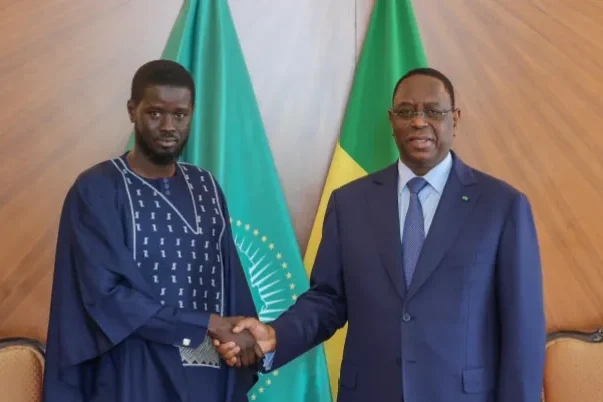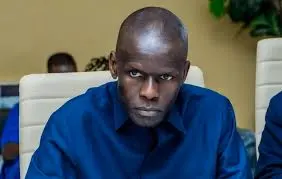
Waly Diouf Bodiang, director of the Autonomous Port of Dakar, criticized President Bassirou Diomaye Faye's management of his coalition following the appointment of Aminata “Mimi” Touré by the president. Bodiang described having a president in a coalition parallel to his electing party as "beguiling" and labeled the current coalition structure "a stillborn project." He stated, "This was the last straw," regarding the president's decisions. Bodiang explained, "All coalitions in Senegal revolve around a party. In this case, Pastef. It is up to its president to decide who leads the coalition. From the moment Bassirou Diomaye Faye wants to appoint his coordinator, we are stepping outside the political framework of Pastef." This strong condemnation from a prominent figure notes significant internal friction within the nascent administration.
Director's Grievances Detailed
Waly Diouf Bodiang is a fierce supporter of Prime Minister Ousmane Sonko. His criticism of President Bassirou Diomaye Faye's appointments and coalition management stems from this alignment, reflecting a broader sentiment among some loyalists. Bodiang's remarks indicate a growing tension within the ruling coalition, particularly concerning the President's perceived deviation from Pastef's established political framework and its core principles. The director's statement, calling the coalition a "stillborn project," suggests deep-seated dissatisfaction with the current governmental structure and the direction the presidency is taking. The appointment of Aminata “Mimi” Touré appears to have been a significant point of contention for Bodiang, who views it as undermining the traditional leadership roles within the coalition and challenging the established hierarchy. This specific appointment has seemingly catalyzed existing concerns into open criticism.
Political Appointments Under Fire
President Bassirou Diomaye Faye has established a governmental structure that incorporates individuals reportedly hostile to Pastef leader Ousmane Sonko, according to observations from within the ruling coalition. This solidification of the presidential administration's composition, which brought President Faye to the presidential palace, has drawn sharp criticism from figures like Waly Diouf Bodiang. The appointments made by President Faye are seen by some as a departure from the traditional political framework of Pastef, the party around which previous coalitions in Senegal have historically revolved and which formed the backbone of the electoral victory. The inclusion of members perceived as adversarial to Sonko suggests a deliberate strategy by President Faye in shaping his executive team, potentially aiming to broaden his political base or assert greater independence in his appointments, even at the cost of internal unity. This approach has led to questions about the long-term stability and cohesion of the ruling alliance.
Coalition Dynamics Explained
The Diomaye Président coalition achieved victory in the 2024 presidential election, bringing President Bassirou Diomaye Faye to power on a wave of popular support. This coalition formed the basis of the current government, which is now facing internal criticism regarding its operational structure and appointments, barely a year into its mandate. Waly Diouf Bodiang, director of the Autonomous Port of Dakar, has voiced concerns about the President's management, particularly regarding the inclusion of certain individuals and the perceived deviation from Pastef's established political framework. Bodiang’s comments suggest a tension between the coalition’s electoral success and its internal governance, particularly concerning the roles and influence of its constituent parts. The director noted that while the coalition secured the presidency, the subsequent appointments and decision-making processes have generated dissent within what he termed a "stillborn project," indicating a fundamental flaw in its current operation. The ongoing debate shows the challenges of managing a diverse political alliance post-election.
Broader Political Context
The article detailing these criticisms was published on May 4, 2026. It reflects ongoing discussions regarding President Bassirou Diomaye Faye's management of the ruling coalition and the internal dynamics surrounding key appointments. The public nature of Bodiang's critique signals a significant moment for the administration, revealing cracks within the coalition that successfully brought President Faye to power. Such public disagreements could influence future political alignments and the perception of the government's stability as it navigates its mandate.