Mikaela Smith, a Guest Columnist and a class of 2017 graduate of Concord-Carlisle High School, has authored an article titled "Letter from The Gambia: Working together, forging new bonds," published on May 3, 2026. Smith began her 15-month Peace Corps service in The Gambia in early October 2025. Her role within the Peace Corps is a food security and nutrition facilitator, a position that places her directly within local communities to address vital issues of sustenance and well-being. This significant commitment to service reflects her dedication to global cooperation and community development.
A Gambian Village Life
The school in Mikaela Smith's village educates students up to the ninth grade, providing foundational learning for its young residents. For girls in the community, the pursuit of education beyond this level necessitates a significant change: they are required to relocate from the village to access further schooling. This notes a particular challenge within the educational landscape of the region, where opportunities for advanced learning are often geographically concentrated. Peace Corps protocol dictates that volunteers are placed with a host family during their service, a practice designed to foster cultural immersion and provide a supportive living environment. Ms. Smith's host mother has become one of her closest friends, according to the author, exemplifying the deep personal connections that can form during such an experience. Her host cousins, Mariama, Auntie, Sally, Khadijatou, Nyma, and Fatoumatta, further integrate her into the familial structure, creating a vibrant network of relationships. Ms. Smith is currently in her eighth month of Peace Corps service in The Gambia, having started in early October 2025. Her ongoing role as a food security and nutrition facilitator involves working closely within the community, where these profound relationships within her host family serve as an invaluable foundation for her efforts. The daily interactions and shared experiences with her host family are not merely personal but are integral to her understanding and effective engagement with the broader village community in her professional capacity.
The immersive nature of Peace Corps service means that volunteers like Ms. Smith become deeply woven into the daily rhythm of village life. This includes participating in household chores, community events, and the myriad small moments that define communal living. The experience of living with a host family provides a unique window into the cultural nuances and social structures of The Gambia, offering insights that would be unattainable through more superficial interactions. These relationships are not just about companionship; they are about mutual learning and support, essential for both the volunteer's well-being and the success of their projects. The trust and understanding cultivated within her host family extend outwards, facilitating her acceptance and effectiveness within the wider village.
Community Bonds in Daily Tasks
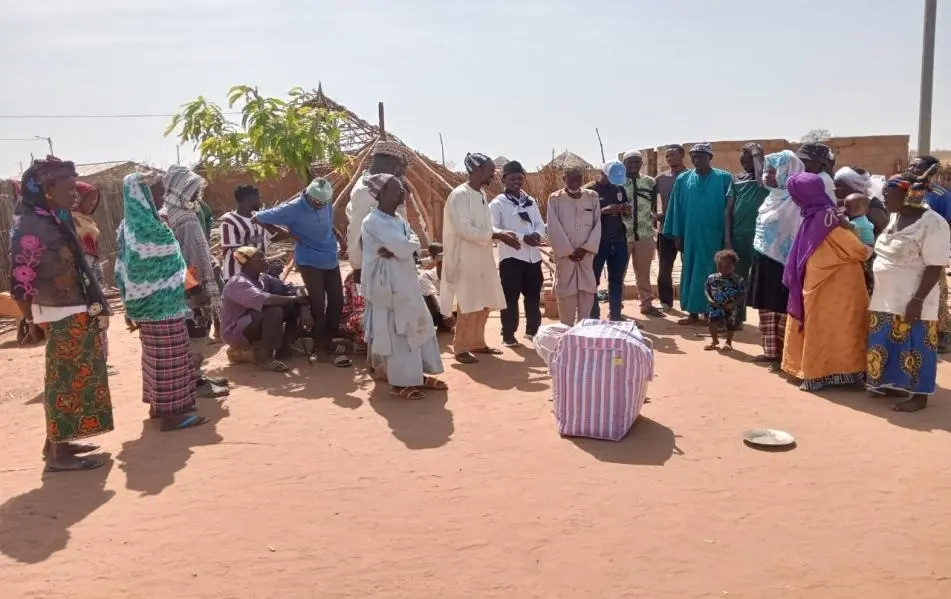
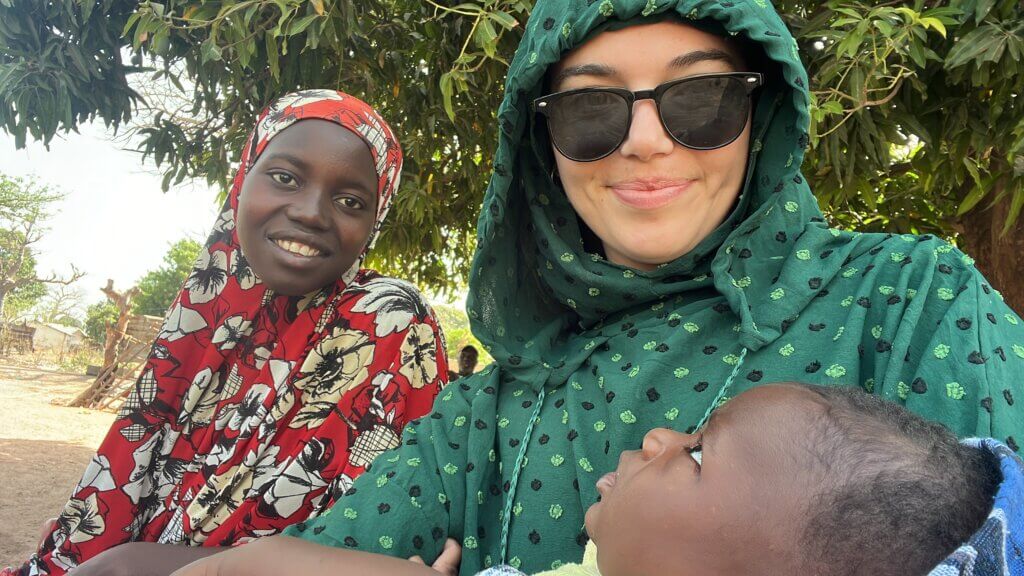
Socializing in the village frequently occurs during the performance of domestic tasks, illustrating how community life is intrinsically linked to shared responsibilities and daily routines. This communal approach to everyday activities fosters strong bonds and a sense of collective identity. Women in the community often operate businesses selling food or other goods directly from their compounds, demonstrating entrepreneurial spirit and resourcefulness. These economic activities are smoothly integrated into their daily lives, as they concurrently manage childcare responsibilities, cooking, and cleaning. This multitasking notes the significant roles women play in both the household and the local economy. Communal social gatherings among women in the village invariably involve a shared responsibility for child rearing, where children are cared for collectively, reinforcing the idea that "it takes a village" to raise a child. This collaborative childcare system allows women to balance their various duties while ensuring that all children receive attention and supervision. The women of the village demonstrate remarkable trust and understanding by entrusting their children to Mikaela Smith, a testament to her integration and acceptance within the community. This act of trust is a powerful indicator of the deep connections she has forged.
Binta, a friend of Smith's, has three children, further illustrating the prevalence of families within the community and the shared experiences of motherhood. The women also actively participate in Smith's community tree planting initiatives, showing their support for environmental efforts and community development projects. Their commitment extends to ensuring that she has eaten, a fundamental gesture of care and hospitality that shows the strong communal fabric. Smith has observed that the community fabric is knit with camaraderie and mutual support through her experiences raising children, peeling peanuts, and cooking alongside the women. These shared tasks, seemingly mundane, are in fact profound opportunities for connection, learning, and the strengthening of interpersonal relationships. Through these everyday activities, Smith gains a deeper appreciation for the resilience, cooperation, and generosity that define life in her Gambian village. The collective effort in these tasks creates an environment where individuals feel supported, valued, and connected, fostering a sense of belonging that transcends cultural differences. These shared moments, whether preparing food or nurturing the next generation, are the bedrock upon which genuine community is built.
Echoes of Connection
The author Mikaela Smith draws compelling parallels between her time in The Gambia and her experiences growing up in Concord, Massachusetts. This comparison notes the universal aspects of human connection and community, transcending geographical and cultural divides. She describes discovering a profound sense of familiarity within the Gambian community, likening it to cherished moments from her past. These include the warmth and intimacy of cooking with her grandmother, the comfort of encountering familiar faces at Sally Ann's, a local thrift store that served as a community hub, and the simple yet powerful gestures of neighbors delivering treats to her home. These observations, Smith states, resonate deeply with her personal history, creating a bridge between her upbringing in Concord and her current life in The Gambia, despite the vast geographical and cultural distance separating the two. This ability to find common ground in human experience speaks to the enduring power of community and connection globally.
Smith's experience shows the profound significance of small actions and gestures of care in solidifying relationships. It is often these seemingly minor interactions—a shared meal, a helping hand, a kind word—that build the strongest bonds between people. She notes that the daily interactions and mutual support she observes in The Gambia are fundamental in anchoring community bonds, providing a stable and nurturing environment for all its members. These instances of shared life, from the most routine domestic tasks to more organized communal activities like tree planting, illustrate how seemingly minor acts contribute to deeper, more meaningful connections within a social fabric. Her journey in The Gambia is not just about fulfilling a service role; it is a testament to the universal human need for connection and the powerful ways in which communities, regardless of their cultural context, come together to support and uplift their members. The lessons learned in the Gambian village about camaraderie and showing up for each other are timeless and universally applicable, reinforcing the idea that true community is built on a foundation of mutual care and shared experience.