Lawmakers in the ECOWAS Parliament have voiced concern regarding violent attacks targeting West African citizens residing in South Africa. The regional body's representatives noted that these incidents have impacted nationals from Ghana, Nigeria, Zimbabwe, Ethiopia, and other African countries. The Parliament's statement shows growing anxieties over the safety of these communities following reports of xenophobic violence across various South African provinces. This collective expression of concern from West African lawmakers emphasizes the urgent need for intervention and accountability in addressing the ongoing crisis.
Escalating Violence and Impact
Xenophobic violence has spread across multiple South African regions, including KwaZulu-Natal, Gauteng, Cape Town, and Pretoria. Reports indicate that Ghanaians, Nigerians, Zimbabweans, Ethiopians, and other African nationals have been subjected to attacks, looting, displacement, and in some cases, killings. The escalating situation has led to significant disruptions, with Ghanaian shops reportedly shuttered under threat. The closure of these businesses not only represents economic losses for the affected individuals but also signifies a broader climate of fear that has gripped foreign national communities.
The targeting of these communities has created an environment of insecurity, forcing many to consider their long-term presence in the country. The incidents have not been isolated, but rather part of a pattern of hostility that has periodically flared up in South Africa. This resurgence of xenophobic attacks has drawn sharp condemnation from regional and international bodies, noting the severity and widespread nature of the problem.
Visual evidence of the violence has also emerged. Footage circulating online depicts foreign nationals being beaten and subjected to verbal assault, further noting the severity of the incidents. These events show the widespread impact of the unrest on expatriate communities within South Africa. Such visual documentation serves as a stark reminder of the brutality faced by victims and amplifies calls for immediate action to protect vulnerable populations. The widespread dissemination of these images has also played a role in raising international awareness and concern regarding the plight of West African citizens in South Africa.
Parliamentary Action and Calls
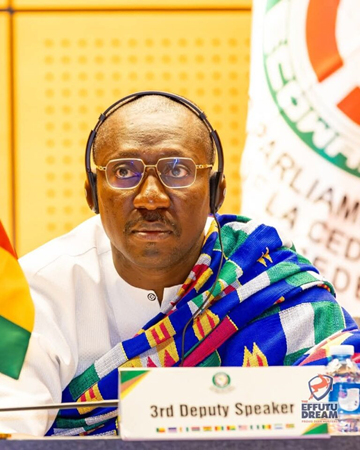
The demand for an investigation arose after a motion was introduced by the third deputy speaker and leader of Ghana’s delegation, Hon Alexandra Afenyo-Markin. Hon Afenyo-Markin urged South African authorities to move beyond rhetoric, stating, "South Africa must move from speeches to action. The South African Police Service, the National Prosecuting Authority, and the Independent Police Investigative Directorate must investigate every documented incident." His impassioned plea reflects the frustration felt by many regional leaders over the perceived lack of decisive action from South African authorities. He further emphasized the need for accountability, asserting, "The perpetrators, many of whose faces are known, must be identified, arrested, charged, and prosecuted to conviction, without fear or favor, without selectivity, and without impunity. Not some of them. All of them." This strong stance from the ECOWAS Parliamentarian shows the demand for full justice, ensuring that all individuals involved in perpetrating these acts are held responsible.
The speaker of the ECOWAS Parliament, H.E. Hadja Memounatou Ibrahima, confirmed that the matter would be formally referred to the committee on political affairs, peace, security and the African peer review mechanism. This procedural step indicates the seriousness with which the ECOWAS Parliament is treating the issue, aiming for a structured and thorough examination of the situation. Hon Afenyo-Markin showed the Parliament's commitment to protecting its citizens, declaring, "The safety of our people must never be compromised." This statement reaffirms the fundamental responsibility of regional bodies to safeguard the rights and well-being of their nationals, irrespective of their location. Concurrently, the African Commission on Human and Peoples’ Rights had already formally deplored the attacks, indicating a broader continental concern about the human rights implications of the violence. In a separate diplomatic development, Nigeria summoned South Africa’s envoy in Abuja to address the escalating concerns, marking a significant bilateral move to exert diplomatic pressure. This diplomatic engagement notes the direct impact of the violence on bilateral relations between African nations.
Broader Context and Reactions
Hon Alexandra Afenyo-Markin urged the South African Police Service, the National Prosecuting Authority, and the Independent Police Investigative Directorate to investigate every documented incident. "South Africa must move from speeches to action," Hon Afenyo-Markin stated, echoing the sentiment that verbal assurances are insufficient in the face of ongoing violence. He further demanded, "The perpetrators, many of whose faces are known, must be identified, arrested, charged, and prosecuted to conviction, without fear or favor, without selectivity, and without impunity. Not some of them. All of them." This call for unwavering legal action is central to the ECOWAS Parliament's position, aiming to deter future acts of violence through effective law enforcement and judicial processes. The ECOWAS Parliamentarian emphasized, "The safety of our people must never be compromised," reinforcing the message that the protection of West African nationals is a top priority for the regional body.
The Nigerian consulate in Johannesburg confirmed the deaths of two citizens, Amaramiro Emmanuel and Ekpenyong Andrew, amid the escalating situation. These confirmed fatalities show the grave human cost of the xenophobic attacks, transforming abstract reports into tangible tragedies for specific families and communities. The loss of life has further intensified calls for immediate and decisive intervention. Vigilante groups have reportedly stopped people outside hospitals and schools to demand documents, contributing to the deteriorating security concerns for foreign nationals. Such actions by vigilante groups create an atmosphere of fear and intimidation, impeding access to essential services and violating fundamental human rights. The Nigerians in Diaspora Commission declared on April 29 that the situation was worsening, indicating a deteriorating trend in the safety and well-being of Nigerian citizens in South Africa. This assessment from an official body responsible for diaspora affairs adds weight to the urgent calls for action.
South African President Cyril Ramaphosa delivered a keynote speech at the 2026 Freedom Day national celebrations in Bloemfontein on April 27, though his remarks did not directly address the ECOWAS demands or the specific incidents of violence against West Africans. This omission has been noted by critics who argue that a more direct and forceful condemnation from the highest office is necessary to effectively address the crisis and reassure affected communities. The lack of explicit mention of the xenophobic attacks in such a significant national address has been a point of concern for those advocating for stronger government action and protection for foreign nationals.