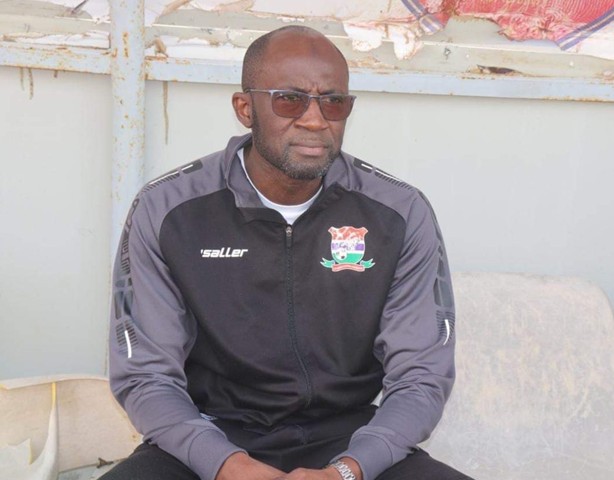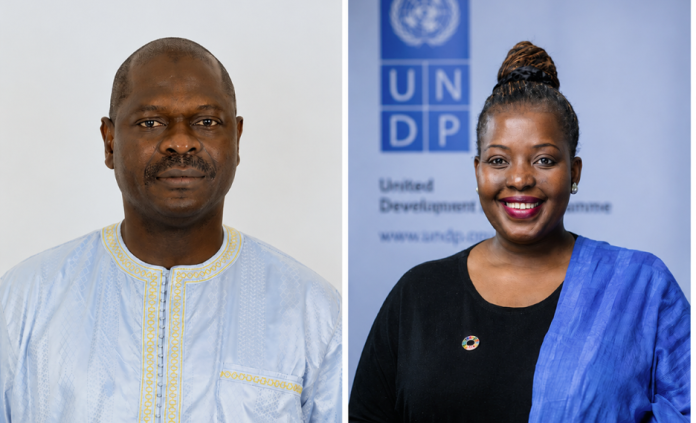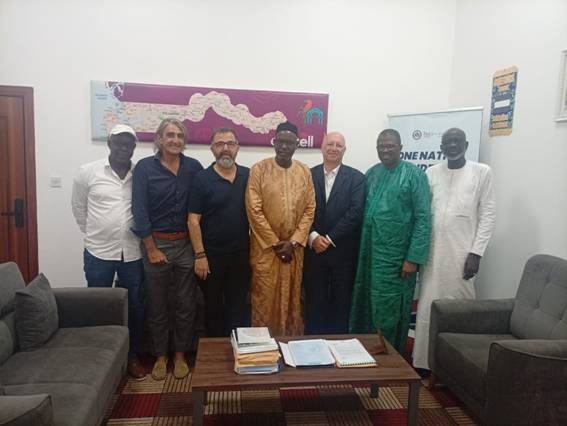
Chief of Defence Staff (CDS) Ousman Gomez has emphasized the critical role of an apolitical military in safeguarding The Gambia's democratic future. According to Gomez, a professional military forms the backbone of any democracy, asserting that its fundamental duty involves defending the Constitution, protecting the populace, and safeguarding national sovereignty. He stated that the military's role does not include choosing leaders, favoring communities, or intervening in political disputes. This clear delineation of responsibilities is critical for maintaining the integrity of democratic processes.
Gomez noted that the principle of an apolitical military is more urgent now than ever for The Gambia Armed Forces (GAF). He showed that the primary responsibility of the Gambia Armed Forces is to protect the nation, obey civilian authority, and maintain strict neutrality regarding politics and tribalism. This commitment to impartiality is essential for the military to effectively serve all citizens without bias. The Chief of Defence Staff further elaborated that a professional military is the backbone of any democracy, and its duty is squarely focused on upholding the nation's foundational legal document and ensuring the safety and security of its citizens. The military’s mandate is not to choose leaders, nor to favor particular communities, nor to intervene in political disputes, but rather to stand as a steadfast guardian of the state and its people.
Historical Context and Current Urgency
As The Gambia prepares for another election cycle and continues transitional justice and national reform processes, the temptation to involve state institutions in partisan debates is expected to intensify. The nation's nascent democracy faces ongoing tests, and its institutions are currently under scrutiny. The Gambia's democracy is still young, and its institutions are being tested by various internal and external pressures. The Gambia Armed Forces (GAF) encountered a significant challenge during the 2016 political impasse. During that period, the decision by the majority of GAF forces to uphold the Constitution and respect the will of the people was key. This action preserved peace within The Gambia and drew international respect for the nation, demonstrating the critical importance of an apolitical stance during times of national crisis. The job of the Gambia Armed Forces is unequivocally to protect the nation, obey civilian authority, and stay out of politics and tribalism, thereby reinforcing its role as a neutral and professional body.
Upholding Professionalism and Merit
The armed forces derive their legitimacy from The Constitution of The Gambia and the people they serve, rather than from any political party, ethnic group, or specific region. This fundamental principle ensures that their loyalty remains with the nation as a whole. Tribalism within the armed forces is seen as detrimental, destroying cohesion, fostering suspicion, and causing promotions, postings, and deployments to be perceived as favors instead of merit-based decisions. Such practices undermine the professionalism and effectiveness of the military, breeding distrust both within its ranks and among the populace. Tribalism in the armed forces destroys cohesion, breeds suspicion, and makes promotions, postings, and deployments appear as favors rather than merit-based decisions, critically eroding the institution's credibility.
Currently, the Gambia Armed Forces (GAF) is engaged in critical work that includes border security, peacekeeping operations, providing support to civilian authorities, and building public confidence. These diverse responsibilities show the vital role the GAF plays in national security and development. To maintain its professional integrity, the Chief of Defence Staff and the senior command are responsible for enforcing codes of conduct, sanctioning political expression while in uniform, and ensuring that officers are promoted strictly based on merit. This rigorous approach to discipline and advancement is key for fostering a truly professional military. Soldiers must also receive regular reminders of their constitutional role and the inherent dangers of partisanship and tribalism, reinforcing the values of neutrality and service to the nation. The Chief of Defence Staff and senior command must enforce codes of conduct, sanction political expression in uniform, and promote officers strictly on merit to uphold these standards.
National Stability and International Standing
International partners, including Ecowas, and various investors are closely observing The Gambia's military professionalism. A professional and apolitical military has been deemed a fundamental prerequisite for the country's stability, the continuation of international aid, and its democratic credibility since 2017. Maintaining this stance is seen as essential for fostering confidence among global stakeholders and ensuring the continued flow of support. International partners, Ecowas, and investors are watching The Gambia's military professionalism with keen interest, recognizing its impact on the nation's future. A professional, apolitical military is a prerequisite for stability, aid, and democratic credibility for The Gambia, a truth that has been evident since 2017. The Ministry of Defence and the National Assembly are tasked with providing essential oversight to the Gambia Armed Forces without directly interfering in its operational activities. This balance ensures accountability while allowing the military to execute its duties effectively and maintain its impartial role in national affairs, thereby safeguarding both its operational effectiveness and its democratic alignment. The Ministry of Defence and the National Assembly must provide oversight without interfering in operations, striking a careful balance between accountability and operational independence.