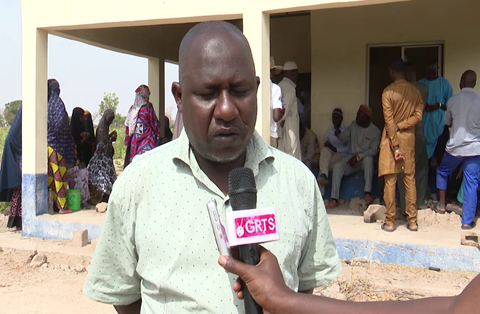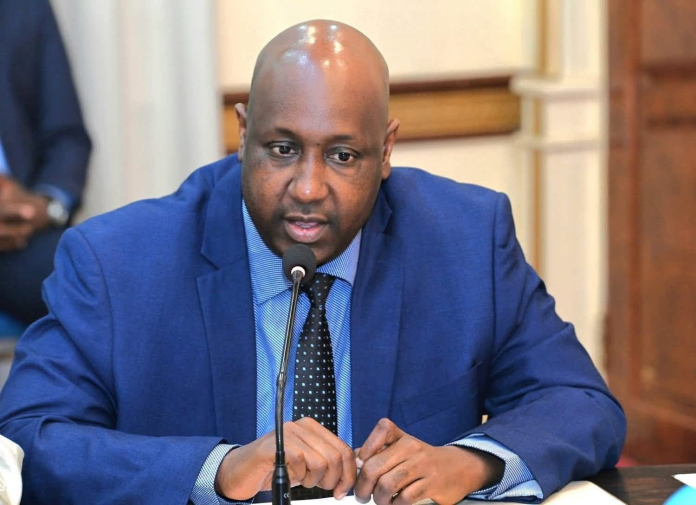
The Gambia’s government will maintain the price of fertilizer for the 2026 farming season at D1,100 per bag, Agriculture, Livestock and Food Security Minister Demba Sabally announced on Tuesday. This key decision aims to support farmers amidst prevailing global pressures that have impacted agricultural input costs worldwide. The government's proactive stance is designed to ensure stability and predictability for the nation's agricultural sector, which forms the backbone of its economy and food security.
Minister Sabally confirmed the price freeze, stating that the government is committing a substantial subsidy to ensure affordability for farmers across the country. The government subsidy supporting this price maintenance amounts to D1.601 billion. This significant financial commitment underpins the continued availability of fertilizer at the set price for the upcoming agricultural cycle, providing a critical lifeline to farmers facing rising operational costs. The minister emphasized that this measure is part of a broader strategy to enhance agricultural productivity and ensure national food self-sufficiency, directly addressing the challenges posed by fluctuating international markets.
Fertilizer Stock and Distribution
In preparation for the upcoming farming season, The Gambia has received a substantial quantity of essential fertilizers. A total of 17,085 metric tons of NPK 15:15:15 fertilizer has been received, representing a significant portion of the country's fertilizer supply aimed at supporting agricultural productivity. This specific formulation is widely used for a variety of crops, providing a balanced nutrient profile essential for strong plant growth. In addition to the NPK 15:15:15 formulation, 4,000 metric tons of NPK 6:20:10 fertilizer have also been received, further diversifying the available nutrient inputs for farmers. The arrival of these different types of fertilizers ensures that farmers have access to the specific nutrients required for their diverse cropping needs, thereby optimizing yields. These deliveries are central to the government's strategy to ensure adequate resources for the agricultural sector, mitigating potential shortages and price volatility.
Complementing these efforts, the government plans to distribute 2,325 metric tons of fertilizer, equivalent to 46,500 bags, free of charge to farmers. This targeted distribution will be carried out through various agricultural projects, specifically targeting farming communities and initiatives that demonstrate a clear need and potential for increased output. The free distribution program is intended to alleviate significant financial burdens on farmers, particularly smallholders, and encourage wider adoption of improved agricultural practices. Such interventions are critical for enhancing crop yields, improving soil health, and bolstering food security across the country, directly contributing to the livelihoods of thousands of farming households.
The overall cost associated with these full fertilizer interventions, including procurement and the extensive free distribution programs, amounts to approximately 3.3 million US dollars. In local currency, this sum translates to about D240 million. This substantial financial outlay shows the government's unwavering commitment to supporting the agricultural sector and ensuring the availability of essential farm inputs at accessible prices, or in some cases, without cost to the farmers participating in designated projects. The investment aims to bolster agricultural output, improve the economic resilience of farming communities, and contribute significantly to national food self-sufficiency goals, reducing reliance on imports.
Broader Agricultural Support
To further bolster agricultural productivity and promote sustainable farming, the Gambian government is introducing 10,000 metric tons of free organic fertilizer support for farmers. This initiative aims to enhance soil fertility naturally, reduce reliance on synthetic inputs, and promote environmentally friendly farming practices across the country. Organic fertilizers improve soil structure, water retention, and microbial activity, leading to healthier crops and more sustainable agricultural systems. In addition to fertilizer, the government will provide a diverse range of seeds to aid crop diversification and yield improvement, recognizing the importance of high-quality planting material.
Farmers will receive 461 metric tons of rice seeds, a staple crop key for food security and a primary source of sustenance for the Gambian population. The provision of improved rice varieties is expected to significantly boost yields and contribute to the nation's goal of rice self-sufficiency. The support package also includes 260 metric tons of maize seeds, another vital cereal for both human consumption and livestock feed, offering nutritional benefits and supporting the country's animal husbandry sector. For cash crop farmers, 56 metric tons of groundnut seeds are slated for distribution, supporting a key export commodity that plays a significant role in the national economy and provides income for many rural families. The government plans to provide four metric tons of cowpea seeds, known for their resilience, drought tolerance, and high nutritional value, making them an important crop for food security in challenging conditions. Complementing these efforts, five metric tons of findi seeds will also be made available to farmers, supporting traditional and indigenous crops that are often overlooked but hold significant cultural and nutritional importance. These provisions are part of a broader, integrated strategy to enhance overall agricultural output, diversify crop production, and support the livelihoods of farming communities throughout The Gambia, fostering resilience against environmental and economic shocks.
Ministerial Guidance and Reassurance
The government’s decision to maintain fertilizer prices was made despite considerable global pressures affecting agricultural input prices and supply chain disruptions linked to instability in the Gulf region. These external factors have driven up costs for many nations, making The Gambia's commitment to a fixed price even more impactful. Officials further indicated that the remaining allocation of Urea 46% fertilizer is expected to arrive shortly, ensuring a full supply for the entire farming season and preventing any potential gaps in availability. This proactive procurement demonstrates the government's foresight in securing essential inputs.
These extensive interventions are designed to cover 20,082 hectares across 1,500 communities in all seven agricultural regions of The Gambia, aiming for a broad and equitable impact on national food production. The wide geographical reach ensures that the benefits of these programs are distributed across diverse farming landscapes, from the coastal regions to the interior. To manage distribution effectively and prevent hoarding or speculative practices, the Ministry of Agriculture has stipulated that no farmer should purchase above 25 bags of fertilizer without obtaining explicit clearance from the ministry. This measure is intended to ensure fair access for all legitimate farmers and to prevent distortions in the market, thereby maximizing the positive impact of the government's substantial investment in the agricultural sector. The ministry's oversight aims to guarantee that the subsidized and free inputs reach their intended beneficiaries, ultimately contributing to a more productive and food-secure Gambia.