In The Gambia, the high cost of essential goods, such as a 50kg bag of rice at D2,500, notes the pressing economic challenges that citizens face daily, casting a long shadow over the political landscape ahead of the 2026 elections. This specific price point for a staple food item serves as a stark indicator of the broader economic pressures impacting households across the nation. The cost of living has become a central issue for many Gambian families, influencing their daily decisions and shaping their perspectives on governance and future leadership. President Barrow secured victory in the 2021 presidential election with 53% of the total vote, a win that many observers attributed directly to the fractured state of the opposition. His success was largely enabled by a fragmented opposition, which collectively drew a significant 47% of the vote but was critically split among five different parties, effectively diluting their electoral power and preventing a unified challenge. This division in the previous election shows the strategic imperative for cohesion among opposition factions if they hope to present a credible alternative in the upcoming electoral cycle. The memory of the 2021 outcome serves as a potent reminder of the consequences of disunity, with many arguing that the collective strength of the opposition was undermined by internal divisions rather than a lack of overall voter support.
The Urgency of Unity
The Gambia faces significant socio-economic challenges, with youth unemployment rates exceeding 60%. This alarmingly high figure shows the severe economic pressures on the country's population, particularly its younger demographic, who represent a substantial portion of the workforce. The prevalence of joblessness among youth is a persistent concern that impacts various sectors of society, leading to social unrest, economic stagnation, and a sense of disenfranchisement among a vital segment of the population. Addressing this widespread unemployment is often cited as a critical priority for ensuring both political stability and sustainable economic development within the nation. The statistic on youth unemployment reflects broader economic conditions and the profound difficulties many young people encounter in securing stable livelihoods and contributing to the national economy. Its impact extends far beyond individual households, influencing social welfare, fostering migration, and contributing to public discourse surrounding future governance and policy directions. The economic landscape, characterized by such high unemployment among the youth, deeply informs the political environment as the 2026 elections approach, making it a critical talking point for all political actors. This situation places additional focus on the need for effective policy interventions and strong economic strategies from both the ruling party and the opposition, as they vie for public trust and support. The challenge of youth unemployment will likely remain a central theme in political discussions and campaign platforms, serving as a litmus test for the credibility and relevance of various political agendas. The ability of any political group to offer tangible solutions to this widespread issue will undoubtedly play a significant role in shaping voter sentiment and determining electoral outcomes.
The Coalition Taskforce Mediation
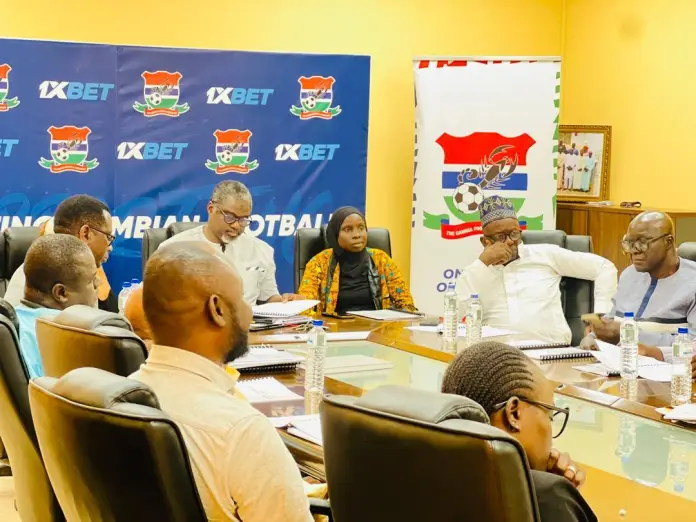
Recognizing the lessons from past elections and the current socio-economic climate, the Coalition Taskforce Mediation Committee (CTMC) has proactively initiated a series of key meetings with various Opposition parties and movements across The Gambia. The primary objective of these engagements is to foster a much-needed sense of unity and strategic alignment ahead of the key 2026 elections. The CTMC's process is meticulously structured with established rules, designated witnesses to ensure transparency, and specific deadlines to guide the discussions, aiming to build trust and accountability among the participating factions. This structured approach is designed to prevent the fragmentation that characterized previous electoral cycles and to ensure that all parties are working towards a common goal. A key proposal currently under consideration by the committee, and one that has generated considerable discussion, is a financial penalty for any party that ultimately fields a candidate outside the unified coalition. This bold measure stipulates a payment of D1 million from any dissenting party, a significant sum intended to reinforce commitment to a single, cohesive opposition front. The rationale behind such a penalty is to deter individual parties from breaking ranks and to show the collective benefit of presenting a united challenge to the incumbent. The CTMC is scheduled to reconvene on May 9 for its next round of talks, a date eagerly anticipated by political observers and the public alike, as it continues its intensive efforts to consolidate the opposition's position and forge a formidable alliance. The success of these mediation efforts could profoundly alter the trajectory of the 2026 elections, offering a more strong and unified alternative to the current leadership.
The Stakes for 2026
The Gambia's political landscape ahead of the 2026 elections is profoundly shaped by a confluence of social and economic pressures that directly impact the daily lives of its citizens. Amidst fervent calls for opposition unity, the populace grapples with a range of challenges that show the urgency of effective governance. Nurses are currently on strike, a critical action affecting healthcare services across the country and noting deep-seated issues within the public health sector. This industrial action not only disrupts essential services but also brings to the forefront concerns about working conditions, remuneration, and the overall state of public welfare. Simultaneously, landlords have significantly raised rent prices, further contributing to the already increasing cost of living for many Gambian households, particularly in urban centers. These developments occur within a broader context of economic strain, where the cost of essential goods, such as the D2,500 price tag for a 50kg bag of rice, has already been noted as a significant and growing concern for the population. The strike by healthcare professionals shows systemic challenges within public services, while rising rents add a substantial financial burden on residents already grappling with economic hardships, making it difficult for families to meet their basic needs. These issues collectively amplify the urgency of political and economic solutions, demanding full and empathetic responses from both the ruling party and the various opposition factions as they prepare for the upcoming electoral cycle. The situation notes specific areas of public discontent that could significantly influence voter sentiment and shape campaign priorities leading up to 2026, making the ability to address these tangible problems a key differentiator for political success. The collective weight of these challenges shows the critical importance of the upcoming elections, where the choices made by both voters and political leaders will determine the nation's path forward in addressing these pressing socio-economic realities.