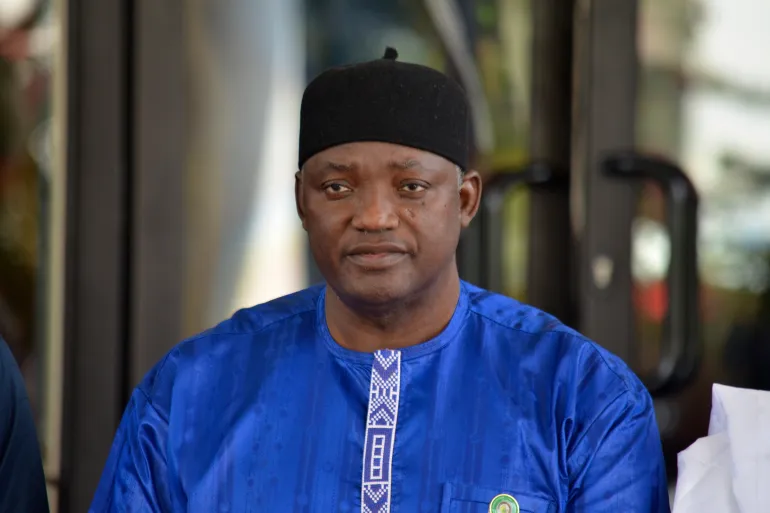
Gambian President Adama Barrow announced that the country expects to boost energy supplies by next month, following widespread protests over prolonged power outages. The West African nation has experienced rolling blackouts lasting up to 48 hours in some areas, causing significant disruption to daily life and commerce. President Barrow acknowledged the severe impact on citizens, stating, "I know that the fans have stopped turning, children work in the dark, mothers throw away stale food, and the heat is unbearable by day and by night." This candid admission shows the gravity of the situation facing Gambian households and businesses. The announcement comes as pressure mounts on the government to address the persistent electricity crisis, which has fueled public discontent and led to calls for accountability.
Addressing the Crisis
In response to the escalating crisis, the Gambian government has outlined immediate and long-term plans to bolster the nation's energy infrastructure. As part of its strategy to alleviate the energy crisis, the government plans to install a 24-megawatt generation machine by the end of October. This initiative is designed to address the immediate power shortages affecting the country and provide a much-needed increase in available electricity. Looking further ahead, an additional 50-megawatt solar power plant is slated to begin construction soon, signaling a longer-term commitment to diversifying the nation's energy sources and increasing overall capacity. These strategic measures are intended to directly counter the prolonged blackouts and improve the reliability of electricity supply across The Gambia, moving towards a more sustainable energy future.
Public Outcry and Response
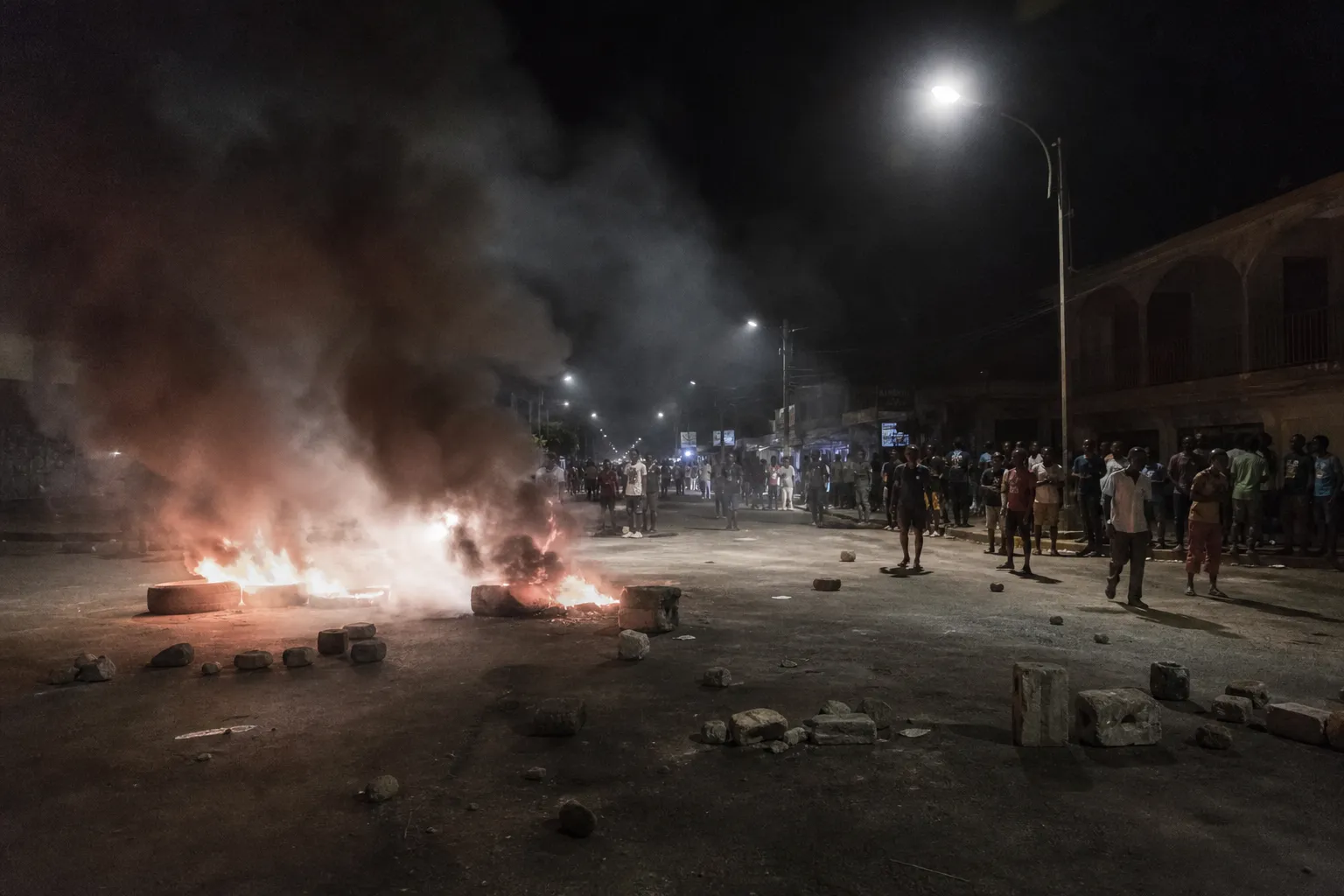
The severe power outages have triggered significant public unrest across the country. Protesters in The Gambia's capital, Banjul, and surrounding cities demonstrated on Monday and Tuesday, expressing their frustration. During these demonstrations, participants resorted to burning tyres and constructing barricades that effectively blocked traffic in key areas. Their demands were clear and forceful: they called for President Adama Barrow's resignation amid the ongoing power crisis. The situation escalated when police subsequently employed tear gas to disperse crowds that had gathered near President Barrow’s residence and the headquarters of the National Water and Electricity Corporation (NAWEC), noting the tension between the public and authorities. The widespread nature of these protests shows the depth of public anger over the unreliable electricity supply.
Underlying Causes and Context
Gambian President Adama Barrow has declared the widespread power outages an emergency, classifying them as a "national security issue." This declaration emphasizes the critical nature of the situation and the potential ramifications for national stability. National Water and Electricity Corporation (NAWEC) Managing Director Gallo attributed the prolonged electricity cuts partly to the impact of climate change, suggesting that changing weather patterns are contributing to the operational challenges. Mr. Gallo also cited the US-Israel conflict with Iran as a contributing factor, suggesting its influence on global energy markets and potentially impacting fuel prices and availability for power generation. In August, NAWEC stated it was experiencing an "unforeseen surge" in demand across the country, which the utility company linked to unusually high temperatures at the time. This increased demand further strained the existing infrastructure, exacerbating the supply challenges faced by the corporation and leading to more frequent and longer blackouts.
Election Year Stakes
The blackouts occur just months before the December presidential election, adding a significant political dimension to the energy crisis. President Adama Barrow is seeking a third term in that election, a factor that observers suggest amplifies the political stakes of the current energy crisis. The government's ability to swiftly and effectively resolve the power shortages could significantly influence public perception and voter sentiment as the election draws nearer. The protests and the government's response are therefore under intense scrutiny, with the reliable provision of electricity becoming a key issue for the upcoming polls.