The Gambia's National Assembly has officially ratified the Beijing Treaty on Audiovisual Performances 2012, a significant step toward enhancing protections for performers within the country. The legislative body considered and approved the international agreement, which aims to safeguard the rights of actors, musicians, and other performers in their audiovisual works. This ratification marks a commitment by The Gambia to align its legal framework with global standards for intellectual property rights in the entertainment sector, potentially improving remuneration and control over their creations for Gambian artists. The move is anticipated to bring tangible benefits to the nation's burgeoning creative industry.
Treaty's Purpose and Scope
The Beijing Treaty on Audiovisual Performances was adopted in 2012, establishing a global standard for performer rights in audiovisual works. This international agreement specifically recognizes the economic and moral interests of performers. It provides a modern framework designed to protect their rights in a digital age. The treaty aims to ensure that actors, musicians, and other artists have greater control over their performances when they are recorded and distributed in audiovisual formats. This includes rights related to broadcasting, reproduction, and making their performances available to the public. By addressing these aspects, the treaty seeks to enhance the remuneration and legal standing of performers worldwide. Its full provisions are designed to offer strong protection for performers' contributions to audiovisual productions, acknowledging their key role in the creative economy.
Economic and Creative Benefits
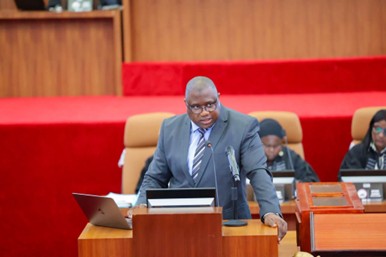
The ratification of the Beijing Treaty is expected to support the development of Gambia’s creative sector, offering enhanced protection for Gambian performers. Attorney General and Minister of Justice, Dawda A. Jallow, stated that the move would "demonstrate our continued commitment to international standards in the field of intellectual property." The treaty is considered economically viable and could stimulate economic growth for individuals engaged in the industry. Adopting the treaty's provisions is anticipated to foster an economy for artists and generate employment opportunities within the country's creative landscape. This aligns with broader efforts to integrate Gambian artistic endeavors more fully into the global intellectual property framework. The improved legal safeguards are also expected to encourage further investment and innovation within the Gambian entertainment industry, creating a more secure environment for artists to thrive and contribute to the national economy.
Voices of Support
Performers in The Gambia frequently encounter situations where their rights are not adequately protected when their creative work is utilized internationally. This lack of protection has been a significant concern within the country's arts community, impacting artists' ability to control and benefit from their audiovisual performances once they circulate beyond national borders. The ratification by The Gambia adds to the growing number of nations committing to these protections. Approximately 34 countries had ratified the Beijing Treaty prior to The Gambia's recent approval, indicating a steady global movement towards strengthening performer rights. The treaty officially entered into force on April 28, 2020, providing a legal framework for these protections internationally. The Gambia's ratification process formally concluded on September 15, 2026, at 12:24 PM, solidifying its commitment to the treaty's provisions and offering a new layer of security for its performers. This step is a direct response to the long-standing challenges faced by Gambian artists seeking fair compensation and control over their work in the global marketplace.