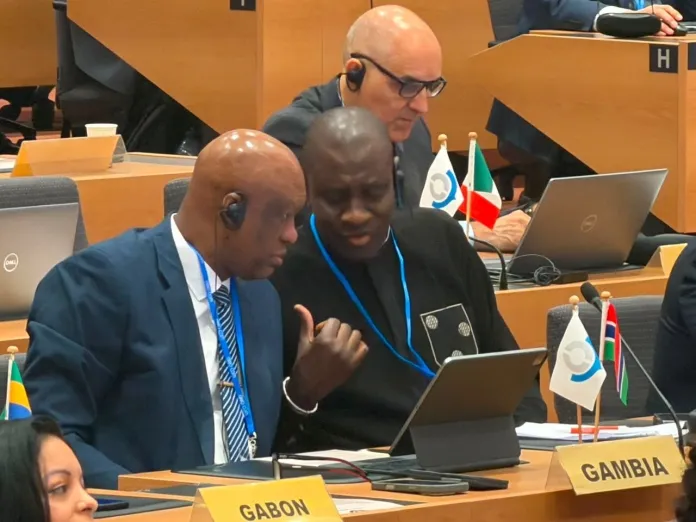
The Gambia Revenue Authority (GRA) announced it will implement customs reforms based on outcomes from the World Customs Organization (WCO) Council Sessions. The WCO Council Sessions took place in Brussels, Belgium, from June 25 to 27. The GRA intends to leverage the discussions and decisions made during these sessions to enhance its operational framework and modernize customs procedures within The Gambia. This initiative follows the recent gathering of international customs officials and aims to align Gambian practices with global standards, supporting improved trade facilitation and revenue collection. The GRA will specifically use the outcomes from these key council sessions to advance its ongoing reform agenda, ensuring that its operations are at the forefront of international best practices.
WCO Council Discussions and Outcomes
The World Customs Organization (WCO) Council, recognized as the organization's highest decision-making body, held discussions on several critical areas. Delegates addressed various topics, including implementation strategies, capacity development initiatives, and measures to enhance customs integrity. These discussions are key for fostering a unified approach among member states. Other key subjects covered included rules of origin, customs valuation, and tariff classification, which are fundamental to fair and consistent trade practices globally. The full agenda reflects the WCO's commitment to addressing the multifaceted challenges faced by customs administrations worldwide.
The sessions also focused on enforcement mechanisms, trade facilitation efforts, and the integration of technology in customs operations. Participants reviewed governance structures, policy matters, and financial and administrative affairs impacting the WCO, ensuring the organization's continued effectiveness and transparency. Discussions specifically noted customs modernization, digital transformation, and the importance of coordinated border management. These areas are vital for streamlining international trade and enhancing security. The use of advanced technology and data analytics was also a central theme throughout the council sessions, aiming to improve efficiency and effectiveness in global customs practices and support informed decision-making. The Council endorsed recommendations that reaffirmed the indispensable role of customs administrations in facilitating legitimate trade, protecting national borders, increasing vital government revenue, and effectively combating illicit trade activities.
GRA's Reform Agenda
The Gambia Revenue Authority's (GRA) planned reforms are designed to improve border management, strengthen compliance with customs regulations, and enhance domestic revenue collection, according to official statements. These initiatives reflect a strategic effort to modernize the nation's customs framework, ensuring that The Gambia's trade environment is both efficient and secure. The reforms are expected to lead to more strong enforcement capabilities and a more predictable trading landscape for businesses. The World Customs Organization (WCO) Secretariat was commended for its role in supporting member administrations globally. This support included providing capacity building programs and technical assistance, alongside developing and promoting international customs standards that serve as benchmarks for excellence. The GRA's agenda seeks to integrate these global best practices into its operations, aiming for greater efficiency and effectiveness in trade facilitation and revenue generation within The Gambia. This strategic alignment is anticipated to yield significant benefits for the national economy.
Delegate's Perspective on Participation
Commissioner General Yankuba Darboe led a Gambian delegation to the 147th and 148th Sessions of the WCO Council. The Council endorsed recommendations that reaffirmed the role of customs in facilitating trade, protecting borders, increasing revenue, and combating illicit trade. Mr. Darboe stated, "The outcomes of the meeting will further support GRA’s ongoing reforms aimed at enhancing service delivery, strengthening compliance, and promoting economic growth through efficient border management." These reforms are critical for The Gambia's economic development and its integration into the global trading system.
The Council also reviewed the WCO Secretary General’s report on the implementation of the organization’s 2025/2026 Strategic Plan, which outlines key objectives and initiatives for the coming years. According to Mr. Darboe, the sessions offered "an invaluable opportunity to engage with customs leaders from across the world, exchange experiences, and explore innovative approaches to addressing emerging customs challenges." He added that The Gambia's participation "strengthened cooperation with the WCO Secretariat and partner customs administrations while exploring additional avenues for technical assistance, capacity development, and knowledge sharing." This collaborative approach is expected to foster long-term improvements in The Gambia's customs operations.