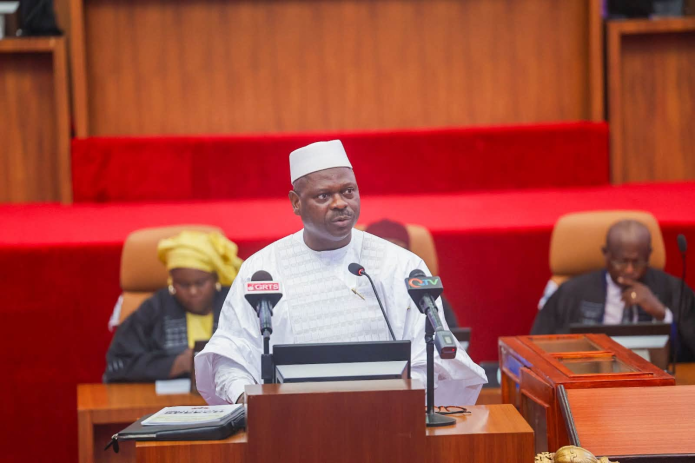
Finance Minister Seedy Keita presented the 2027 budget speech on 23 October 2026, detailing significant government spending on fuel support. Explaining these fiscal measures, Minister Keita stated, "To cushion the impact of the price increase, the Government has provided subsidy amounting to GMD 42.46 million for petrol and GMD 785.13 million for diesel between March and September 2026."
Regarding the broader economic outlook, the minister noted, "The tax-to-GDP ratio is projected to increase further to 13.5 per cent in 2027, supported by continued implementation of revenue-enhancing measures and reforms." Minister Keita also reported on national debt levels, noting that the total debt stock reached GMD 140.3 billion by the end of 2025, though the debt-to-GDP ratio declined to 72 per cent during that same period.
Rising Domestic Fuel Costs
Domestic retail prices for petrol in The Gambia rose by 33.1% between March and September 2026. This adjustment coincided with the period during which the government implemented its fuel support measures.
Market data also tracks a sharper climb for diesel, which saw retail prices increase by 41.8% over the same timeframe. These figures reflect the shifting costs within the national energy sector throughout the seven-month duration. Consumers encountered these price changes at local stations as the government managed the resulting fiscal expenditures for the period. These adjustments represent the total percentage change recorded for both fuel types between March and September 2026.
Economic Indicators and Inflation
Inflation in The Gambia reached 6.5% in August 2026. Data from the government indicates this figure subsequently declined to 6.1% in September 2026. These metrics represent the shifts in consumer price changes across the national economy during the third quarter of the year.
Domestic revenue collection also recorded specific gains during this fiscal period. Total domestic revenue reached D20.27 billion by the end of August 2026. This figure reflects the accumulation of funds generated through the state's revenue-collection efforts up to that point in the year. The government continues to monitor these economic indicators alongside expenditures related to fuel support measures implemented earlier in 2026. These figures provide an overview of the current fiscal and inflationary environment within the nation.
National Debt and Projections
Total public debt in The Gambia stood at D140.3 billion at the end of December 2025. This figure represents the government’s total debt stock accumulated by the conclusion of that calendar year.
The debt-to-GDP ratio in The Gambia declined to 72% in 2025. This metric reflects a reduction from the 76% ratio recorded in 2024.