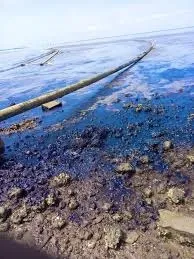
A submerged pipeline ruptured at the Gam Petroleum Fuel Storage (GPS) Depot in Mandinary, Kombo North, on November 19, 2025, triggering a significant fuel spill that extensively affected local communities. These communities, whose livelihoods are deeply dependent on the waters impacted by the incident, have not yet received compensation, either in cash or kind, for their profound losses. The incident, which occurred during an offloading operation, quickly escalated into an environmental and economic crisis for the region.
The Lingering Impact on Livelihoods
The fuel spill originated during an offloading operation from the vessel MT ST Sturla, directly impacting the local fishing community and the broader aquatic ecosystem. Following the rupture, fishermen found themselves grounded for weeks, unable to venture out to sea due to the contamination. The severity of the oil slick was such that some were forced to purchase entirely new nets, as their existing equipment was completely ruined and rendered unusable by the widespread oil. This immediate cessation of fishing activities represented a critical blow to their primary source of income and sustenance.
Victims of the spill have expressed a profound sense of abandonment and feeling forgotten by the state. They claim that the human aspect of the disaster, encompassing their financial hardship and emotional distress, was largely sidelined once technical containment operations concluded. This perceived neglect has left them without adequate support or the promised compensation for their significant losses, prolonging their suffering and hindering their recovery.
Official Response and Clean-Up Efforts
An estimated 70 metric tons of Heavy Fuel Oil (HFO) discharged into the River Gambia following the incident, posing a severe threat to marine life and coastal habitats. In response to the environmental catastrophe, the National Environment Agency (NEA), Gambia Maritime Administration (GMA), National Disaster Management Agency (NDMA), and Public Utilities Regulatory Authority (PURA) issued a joint statement in late November 2025. This coordinated official action aimed to address both the immediate crisis and its long-term implications.
The agencies announced the immediate suspension of all discharge operations at the Gam Petroleum Fuel Storage (GPS) Depot, a critical step to prevent further contamination. They further confirmed that the ruptured pipeline had been successfully repaired, ensuring the structural integrity of the facility. Additionally, multi-agency clean-up teams were promptly deployed to mitigate the environmental impact of the spill, working to contain and remove the oil from affected areas. These efforts, while key for environmental remediation, did not immediately translate into direct support or compensation for the affected communities.
Voices from the Community
The toxic slick from the fuel spill demonstrated its widespread destructive potential by traveling over 28 kilometers, washing onto sections of the Banjul shoreline and extending into tributaries as far as Pirang. This extensive spread significantly impacted a diverse range of local livelihoods beyond just fishermen. Oyster harvesters, for instance, now report having to travel more than five kilometers into the water to find produce, a stark contrast to their previous, closer harvesting grounds. This increased distance represents a substantial burden on their daily operations, demanding more time, effort, and resources, directly impacting their income generation and overall productivity.
The lingering effects of the spill continue to challenge communities that are intrinsically dependent on the affected waterways for their sustenance and economic well-being. The spill's broad reach indicates a widespread environmental incident with ongoing consequences for marine life, fishing activities, and traditional harvesting practices in the entire region. Local communities face persistent difficulties in their traditional harvesting practices due to the contamination, noting the long-term repercussions of the incident. The wait for compensation continues to be a source of frustration and economic instability for those whose lives have been irrevocably altered by the environmental disaster.