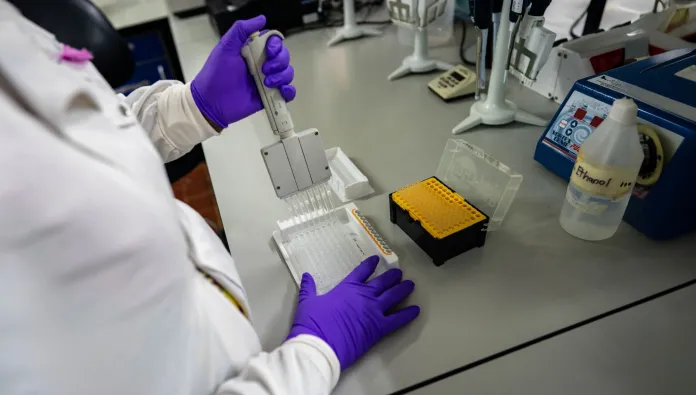
A new study conducted by researchers from MRC Unit-The Gambia at the London School of Hygiene & Tropical Medicine (MRC-G@LSHTM) has identified fungal infections that mimic tuberculosis (TB) in The Gambia. The study found these infections in patients from the Greater Banjul area who presented with symptoms suggestive of TB but had tested negative for the disease. This research indicates that fungal infections may be misdiagnosed as TB, impacting patient care and public health strategies in the region. The findings suggest a critical need for enhanced diagnostic capabilities to accurately differentiate between these conditions.
Fungal Pathogens Found
The study detected evidence of Aspergillus DNA in five samples and Pneumocystis jirovecii DNA in three samples from patients. Researchers specifically focused on three fungal pathogens classified as priority threats by the World Health Organization: Aspergillus species, Histoplasma species, and Pneumocystis jirovecii. These pathogens are known for causing respiratory illnesses that can be confused with tuberculosis due to their similar clinical presentations. The investigation into these specific pathogens shows their potential impact on public health, particularly in regions with a high burden of respiratory diseases.
The findings mark the first molecular identification of Aspergillus species and Pneumocystis jirovecii in adults in The Gambia. This suggests a potential underestimation of fungal infections in the country's public health data. The presence of these specific pathogens, previously undetected at a molecular level in Gambian adults, notes a critical gap in diagnostic capabilities that could impact patient outcomes. The study provides critical early evidence that fungal infections should be considered when assessing patients with symptoms suggestive of TB, especially when conventional TB tests yield negative results.
Diagnostic Tool Developed
Researchers at MRC Unit-The Gambia at the London School of Hygiene & Tropical Medicine (MRC-G@LSHTM) developed a new multiplex Polymerization Chain Reaction (PCR) testing tool. This innovative tool is designed to detect all three targeted fungal pathogens simultaneously from a single sputum sample, aiming to improve diagnostic capabilities. The research team utilized this new diagnostic method to analyze more than 250 stored sputum samples. These samples had been collected from adult patients between 2017 and 2021, providing a retrospective look at the prevalence of these fungal infections in The Gambia. All participants had symptoms suggestive of tuberculosis and were recruited from the Greater Banjul area, but their samples had tested negative for TB, making them ideal candidates for this investigation. The development of this tool is expected to aid in differentiating fungal infections from tuberculosis, thereby enhancing diagnostic accuracy for respiratory illnesses in the region and potentially preventing misdiagnosis.
Context and Implications
The study's publication in PLOS one provides critical early evidence that fungal infections should be considered when assessing patients with symptoms suggestive of tuberculosis. This development suggests a need for re-evaluation of diagnostic protocols for respiratory illnesses, especially in regions where TB is prevalent and resources may be limited. The findings indicate that differentiating between TB and fungal infections is key for appropriate patient management and public health strategies. Improved diagnostic capabilities could lead to more accurate treatment plans, potentially reducing the misuse of anti-TB drugs and improving patient outcomes for those suffering from fungal diseases. The research notes a potential gap in current understanding of respiratory pathologies in the region, emphasizing the importance of full diagnostic approaches.
Expert Commentary
In The Gambia, fungal infections can present with similar symptoms to tuberculosis, including persistent cough, weight loss, and shortness of breath. Among participants who tested positive for fungal DNA, cough and weight loss were the most frequently reported symptoms. This overlap in clinical presentation notes the diagnostic challenge in distinguishing between the two types of infections, particularly in regions where TB is endemic. The resemblance of symptoms suggests that some patients currently treated for TB might be suffering from undiagnosed fungal diseases, leading to ineffective treatment and prolonged illness. Recognizing the prevalence of these overlapping symptoms is key to improving diagnostic accuracy and ensuring patients receive the correct and timely treatment for their specific condition.