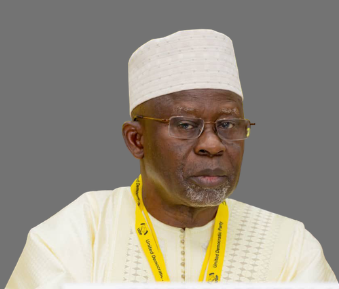
Ousainu Darboe, leader of the opposition, has pledged to significantly reduce the cost of running the presidency if elected, according to an article published on August 27, 2026. Mr. Darboe stated that such measures would ensure greater fiscal responsibility within the government, aiming to set a new standard for public expenditure. He emphasized his unwavering commitment to transparency regarding all presidential expenditures, ensuring that the public would have a clear understanding of how taxpayer money is utilized. "If I am receiving so much money as president, why shouldn’t I pay for my housemaids?" Darboe said, indicating a personal example of financial accountability and signaling a shift in the culture of entitlement often associated with high office. This pledge forms a core part of his campaign platform, focusing on prudent financial management from the top down.
Details of Proposed Cuts
Ousainu Darboe stated that he would reduce the presidential salary by approximately half if elected. This proposed cut aims to reflect a profound commitment to fiscal prudence at the highest level of government, sending a clear message about the administration's priorities. The current Gambian president currently receives a monthly salary of no less than half a million dalasis, a figure that has drawn considerable public attention. This substantial sum represents a significant increase from the approximately D270,000 earned by former President Yahya Jammeh, noting a considerable rise in executive compensation. Darboe's proposal directly addresses this increase, seeking to realign the presidential salary with what he considers a more responsible and justifiable amount for a nation facing various economic challenges.
Additionally, Mr. Darboe pledged to initiate a full review of the nearly D1 billion allocated for spending at State House. This review would particularly focus on expenditures associated with the president's household, which have historically been a point of public scrutiny. Darboe specifically stated that household expenses, such as those for laundry and kitchen staff, should not be covered by taxpayers. He argued that such personal costs should be borne by the president themselves, aligning with his broader philosophy of personal financial accountability even within the highest office. The opposition leader's proposals show a broader objective to curtail what he describes as excessive government spending and to reallocate resources towards more pressing national needs.
Criticism of Current Spending
Ousainu Darboe, the opposition leader, has publicly criticized what he termed wasteful government spending, pointing to several examples he believes exemplify fiscal inefficiency. Among his specific concerns are the president’s frequent trips undertaken to inspect road projects, which he views as an unnecessary expenditure of public funds. Mr. Darboe indicated that such expenditures exemplify the broader issue of fiscal inefficiency within the current administration, diverting critical resources that could be better utilized elsewhere. He stated that a government led by him would undertake a full review of the national budget. This review, he affirmed, would be conducted within the first three months of his administration, with the explicit goal of identifying and eliminating spending deemed wasteful and ensuring that every dalasi provides maximum value to the Gambian people.
Darboe's Justification
Ousainu Darboe pledged to reduce other heavy expenses at State House if elected in December, beyond just the presidential salary. The opposition leader reiterated his position that household expenses, including those for laundry and kitchen staff, should not be covered by taxpayers. He proposed a more efficient and cost-effective approach to governmental oversight, suggesting that ministers and the National Roads Authority could instead conduct road project inspections and report their findings directly to Cabinet. This approach, he argued, would eliminate the need for the president's frequent and costly travel for such inspections. Darboe also outlined plans to reduce the overall size of government, which would include merging some ministries to streamline operations and reduce administrative overhead. These measures, he indicated, are part of a broader strategy to ensure fiscal responsibility, enhance governmental efficiency, and streamline government operations, ultimately aiming to deliver better services to the public while minimizing the burden on taxpayers.