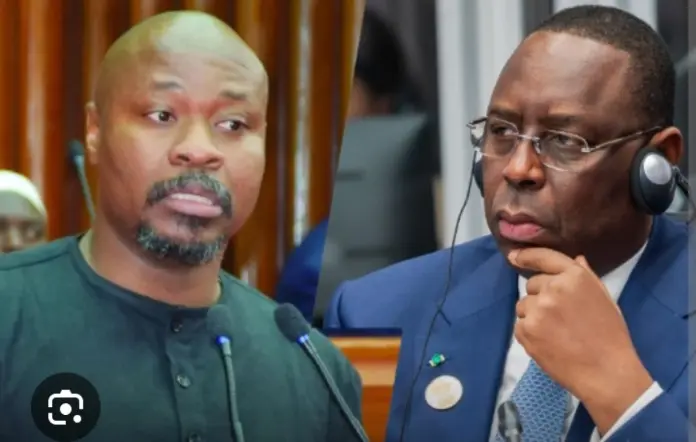
Senegalese Prime Minister Ousmane Sonko was dismissed by President Bassirou Diomaye Faye on Friday evening, marking a significant political rupture in the West African nation. Many observers had considered the separation between Sonko and Faye unavoidable after weeks of speculation regarding their working relationship. The rupture between the two leaders, who were once political allies, signals a critical turning point in Senegalese politics. This key development sets a new course for the country's leadership, following the presidential election that brought Faye to power with Sonko's public backing. The political rupture between Sonko and Faye was, in the view of many observers, an event that had become increasingly unavoidable as their working relationship deteriorated.
Rivalry Born of Alliance
Ousmane Sonko and Bassirou Diomaye Faye both originated from the same political movement, collectively representing the ascent of the Pastef coalition against former President Macky Sall. They emerged from the same political movement and jointly embodied the rise of the Pastef coalition, successfully challenging the established political order under former President Macky Sall. Their alliance, however, transformed into a tense rivalry, driven by competing ambitions, institutional contradictions, and a struggle over executive authority. The alliance between Sonko and Faye, initially a powerful force, evolved into a tense rivalry, shaped by these competing ambitions, inherent institutional contradictions, and an underlying struggle for executive authority within the new administration. Political history demonstrates that alliances forged in opposition frequently encounter tensions regarding authority and control of state institutions once they achieve power. Indeed, political history is replete with examples where alliances formed in opposition often face significant tensions over authority and the control of state institutions once they achieve the reins of power.
Sonko appeared convinced that he was the genuine driving force behind the ruling coalition’s legitimacy and its electoral success. He appeared convinced that he was the true engine behind the ruling coalition’s legitimacy and its impressive electoral success. He increasingly projected himself as an alternative centre of political gravity within the state apparatus. This created the perception of two competing executives operating simultaneously within the same administration, a dynamic that proved unsustainable. The inherent contradictions in their shared rise to power ultimately led to the political rupture, as the perception of two competing executives operating simultaneously within the same administration became increasingly pronounced.
Constitutional Power Dynamics
Senegal's constitutional system concentrates executive legitimacy in the presidency, establishing the President as the central pillar of executive power. The President derives legitimacy from universal suffrage and functions as the supreme authority of the state. This constitutional design places the President as the central pillar of executive power, deriving profound legitimacy directly from universal suffrage and serving as the supreme authority of the state. The recent dismissal of Ousmane Sonko by President Bassirou Diomaye Faye reaffirmed the principle that a prime minister remains subordinate to presidential authority within Senegal's institutional framework. This action emphatically reaffirmed the principle that, within Senegal's institutional framework, a prime minister remains subordinate to presidential authority. Diomaye’s decision signalled his intention to fully exercise presidential powers rather than govern under the influence of a dominant political personality. It clearly signalled his intention to fully exercise the extensive presidential powers vested in his office, rather than to govern under the influence or shadow of a dominant political personality. This move shows the preeminence of the presidential office in the nation's political structure, noting the singular authority of the head of state.
Populist Politics and Governance
Ousmane Sonko’s political trajectory was defined by a populist and confrontational style that resonated significantly with the nation's youth and anti-establishment voters. His political trajectory was built around a populist and confrontational style, which resonated deeply with the nation's youth and a broad base of anti-establishment voters. His approach cultivated a strong base among those seeking change from traditional political structures. Sources close to the administration note that charismatic populist figures frequently encounter difficulties in transitioning from the dynamics of opposition politics to the demands of governmental governance. Sources note that charismatic populist figures often struggle significantly to adapt from the confrontational dynamics of opposition politics to the more nuanced and collaborative requirements of governmental governance. The requirements of state administration and coalition management differ considerably from the protest-oriented strategies often employed in opposition. Sonko maintains significant grassroots support and influence, particularly within the Pastef party and among key youth constituencies across Senegal. This continued backing notes his enduring appeal beyond his recent governmental role, demonstrating his considerable grassroots support and influence within Pastef and among key youth constituencies across the country.
Future Political Landscape
Ousmane Sonko's dismissal from the prime ministership could deepen existing divisions within Senegal's ruling coalition. His removal could indeed deepen existing divisions inside the ruling coalition and is widely expected to reshape Senegal’s political landscape significantly. The move is also expected to reshape the country's political landscape. Sonko's significant grassroots support, particularly within the Pastef party and among key youth constituencies, suggests that his influence will continue to be a factor in Senegalese politics despite his departure from government. The rupture between Sonko and President Bassirou Diomaye Faye, once allies, indicates a shift in the power dynamics that brought the current administration to office. This development may lead to realignments among political factions and potentially alter strategies for future governance. The concentration of executive legitimacy in the presidency, as reaffirmed by Faye's decision, establishes a clearer hierarchy, but the populist appeal of Sonko remains a potent force. His continued presence as a prominent political figure, albeit outside of a formal government role, ensures that the political environment will remain dynamic as various factions navigate the new arrangement and the implications of this significant change in leadership.