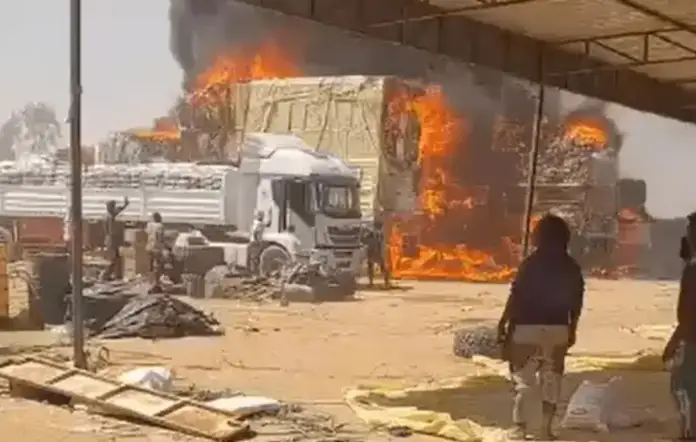
Two major heavy fuel oil spills took place on May 28, 2022, and November 19, 2025, according to reports, marking significant environmental incidents. These two distinct events, involving heavy fuel oil, have raised profound questions regarding accountability for the extensive environmental and economic consequences they have unleashed. The repeated nature of these spills, occurring within a relatively short timeframe, shows a pressing need for a thorough review of existing preventative measures and response protocols. The type of substance involved, heavy fuel oil, is particularly concerning due to its persistent nature and severe impact on marine ecosystems and coastal environments.
The Lingering Impact of Spills
The oil spills have resulted in the loss of numerous livelihoods, according to reports. This devastating impact has been felt acutely by individuals and families whose economic survival is directly tied to the health of the ocean and coastal areas. The economic repercussions, particularly for communities reliant on coastal and marine resources such as fishing, aquaculture, and tourism, have been significant and broad. The disruption caused by the heavy fuel oil contamination has made it impossible for many to continue their traditional occupations, leading to widespread financial distress. Affected individuals and groups who suffered these losses should have received compensation, a point of contention for many who have witnessed their income streams vanish. The lack of restitution has exacerbated financial difficulties for those whose primary income streams were disrupted or destroyed by the environmental damage, leaving many in precarious economic situations. The long-term effects on marine life and the associated industries continue to be a source of concern for local populations.
Unfulfilled Compensation Promises
Promises of compensation for the oil spills, which affected numerous individuals and communities, have not been fulfilled, according to reports. This failure to deliver on commitments has deepened the hardship experienced by those impacted by the environmental disaster. Residents in the impacted areas continue to report a lack of financial restitution for losses incurred due to the environmental damage. This includes not only direct loss of income but also damage to property, fishing gear, and other assets essential for their livelihoods. A significant number of people in the affected area have never received any compensation for the disruption to their livelihoods or the damage to their property. This situation has led to prolonged economic hardship for many, compounding the challenges faced by those whose incomes were directly tied to the affected coastal and marine environments. The absence of promised payments remains a point of contention for those seeking redress, who feel abandoned in the wake of these catastrophic events. The ongoing struggle for compensation notes a critical gap in the response to environmental emergencies.
Call for Environmental Assessment and Accountability
Maximum effort will be made to make the state accountable to those who suffered loss in the two oil spills, according to reports. This commitment extends to individuals and communities who suffered damages from the incidents on May 28, 2022, and November 19, 2025. The pledge aims to ensure redress for those whose livelihoods and properties were impacted by the heavy fuel oil contamination, emphasizing the state's responsibility in managing and mitigating such crises. This push for accountability shows a broader demand for transparency and justice for the affected populations.
Foroyaa reports that an environmental impact assessment should have been conducted following the initial oil spill. The absence of such an assessment after the first incident has raised questions about the preparedness and response mechanisms in place to address environmental disasters. An environmental impact assessment would have provided key data on the extent of the damage, informed cleanup efforts, and guided appropriate compensation measures. The failure to undertake this vital step following the initial spill suggests a significant oversight in environmental management and disaster response protocols. This lack of proactive assessment has potentially hindered effective recovery and rehabilitation efforts, compounding the challenges faced by affected communities. The call for accountability includes demanding that state entities take concrete steps to prevent future occurrences and ensure that those who have borne the brunt of these disasters receive the support and compensation they are due.