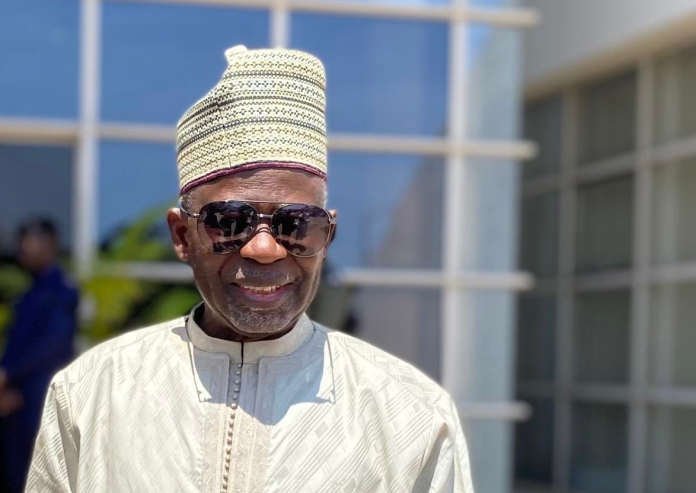
The Gambia's education system faces significant challenges despite strong policy intentions, according to Professor Sainey Faye, a UK-based Gambian academic. Professor Faye noted systemic weaknesses, including chronic implementation gaps, a shortage of qualified teachers, weak governance structures, and a curriculum disconnected from global labor market demands. He described the situation as "strong intent but constrained delivery." This characterization shows a critical disconnect between well-meaning policy and its practical application on the ground.
Professor Faye elaborated that "The foundational structures are in place. What is missing is effective delivery, accountability, and sustained performance across all levels." He stated, "The system is underperforming relative to its potential," emphasizing that "Education must prepare students not for yesterday’s jobs, but for tomorrow’s economy." This forward-looking perspective is central to his analysis of the current educational landscape. He concluded that "The issues are fundamentally about governance, institutions, and execution," adding, "If my country calls upon my expertise, I will serve with purpose." His willingness to contribute his expertise notes a potential avenue for addressing these deep-seated issues.
Strengths and Systemic Weaknesses
Professor Sainey Faye, a UK-based Gambian academic, characterizes The Gambia’s education system as one having "strong intent but constrained delivery." Faye identifies critical gaps within the system, particularly in digital literacy, innovation, entrepreneurship, and sustainability. These areas are key for preparing students for modern economic demands, yet they currently represent significant shortcomings in the educational provision. The lack of strong integration of technical and vocational education (TVET) and weak links between the education system and industry further exacerbate these critical gaps, hindering students' readiness for the contemporary workforce.
Despite these challenges, Faye also points to several key strengths inherent in The Gambia's education system. These include strong policy and legal frameworks that guide educational initiatives, providing a solid foundation for future development. There has also been expanded access to education across the country, allowing more students to enroll and widening the reach of educational opportunities. Additionally, The Gambia benefits from a youthful population, which presents a significant demographic advantage for future development, offering a large pool of potential learners and future contributors to the economy. Faye observes a growing openness to reform within the educational sector, indicating a willingness among stakeholders to address existing shortcomings and adapt to new needs and global standards. This openness provides a key window for implementing the necessary changes.
Proposed Reforms and Governance
The Gambia has reiterated commitments to free basic education, sector-wide reforms, and expanded access to educational opportunities. These commitments form the bedrock of national educational policy and demonstrate a clear intent to improve the system. To address systemic challenges and improve delivery, Professor Sainey Faye proposes several structural and programmatic changes designed to enhance accountability, quality, and relevance within the education sector.
Professor Faye advocates for the establishment of an Independent Education Standards Authority (IESA). Such an authority would be responsible for setting and monitoring educational benchmarks across the country, ensuring a consistent level of quality and performance in all educational institutions. This body would play a key role in upholding standards and driving continuous improvement. Additionally, he suggests creating an Education Delivery Unit (EDU) to track progress in real time, aiming to ensure accountability and responsiveness within the system. This unit would provide essential data and oversight, allowing for timely interventions and adjustments to educational programs and policies.
A significant focus of Professor Faye's proposed reforms is teacher development. He calls for a structured National Teacher Excellence Programme alongside continuous professional development initiatives for educators. This program would aim to enhance teaching quality, equip teachers with the necessary skills to deliver a modern curriculum, and foster a culture of ongoing learning and improvement among the teaching profession. Professor Faye stresses the necessity of a unified national skills strategy designed to align educational outcomes with the demands of the labor market. This strategy would seek to bridge the gap between academic learning and practical employment needs, ensuring that graduates possess the competencies required by employers in a rapidly evolving global economy.
Professor Faye's academic background includes doctoral research focused on bank corporate governance regulation in The Gambia, providing insight into his expertise in institutional oversight and regulatory frameworks. This specialized knowledge informs his proposals for strong governance structures within the education system, emphasizing accountability and effective execution. His insights are particularly relevant given the emphasis he places on the fundamental issues of governance, institutions, and execution in The Gambia's education sector.
Leveraging Diaspora Expertise
Professor Sainey Faye, a Professor of Sustainable Financial Governance, has outlined specific proposals for The Gambia to harness its diaspora's expertise within the education sector. Professor Faye, who previously served as Deputy Head of the School of Business and Law at Buckinghamshire New University, emphasizes that while "The foundational structures are in place. What is missing is effective delivery, accountability, and sustained performance across all levels." His perspective notes that "The system is underperforming relative to its potential," indicating a significant untapped capacity within the existing framework.
To address these gaps, Professor Faye advocates for strengthening the integration of technical and vocational education (TVET) and establishing strong connections between the education system and industry. He argues that "Education must prepare students not for yesterday’s jobs, but for tomorrow’s economy," noting the urgent need for a curriculum that is responsive to future economic trends and labor market demands. Among his suggestions are a Diaspora Education Engagement Platform and the creation of visiting professorship schemes. These initiatives aim to facilitate the transfer of knowledge and skills from Gambians abroad, leveraging their international experience and expertise to enrich the national education system. The Diaspora Education Engagement Platform would serve as a structured mechanism for overseas Gambian professionals to contribute their insights and resources.
Professor Faye proposes fostering partnerships, citing the potential for collaboration between the University of The Gambia and Buckinghamshire New University. Such international collaborations could lead to enhanced curriculum development, faculty exchange programs, and joint research initiatives, further elevating the quality of education in The Gambia. He concludes that "The issues are fundamentally about governance, institutions, and execution," and has stated, "If my country calls upon my expertise, I will serve with purpose." His commitment shows the potential for meaningful change through strategic interventions and the active involvement of experienced professionals like himself.