Reparations are central to transitional justice efforts, aiming to address past harms and facilitate societal healing. Indeed, reparations stand at the heart of transitional justice, serving as a key mechanism for societies grappling with legacies of conflict, human rights abuses, and authoritarian rule. Baba Galleh Jallow, formerly the Executive Secretary of the Truth, Reconciliation and Reparations Commission, has articulated the foundational role of these measures, emphasizing their importance in fostering accountability and reconciliation. These processes are not merely about financial compensation but encompass a broader spectrum of actions designed to acknowledge suffering and prevent recurrence, thereby facilitating societal healing and the rebuilding of trust between the state and its citizens.
Echoes of Authoritarianism
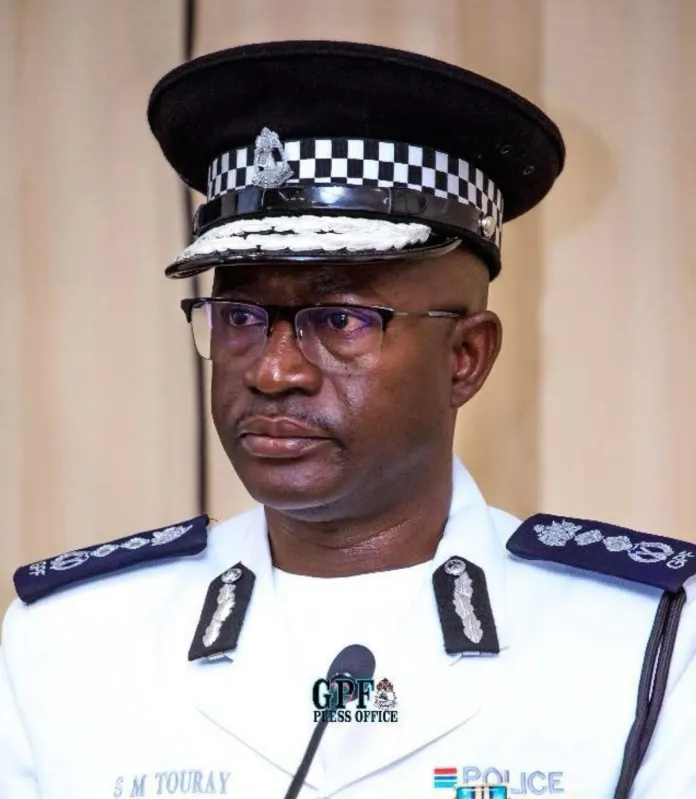
The Gambian state under Jammeh was deeply flawed due to a problematic head of state and a legal framework that facilitated a sit-tight dictatorship. The state under Jammeh was deeply flawed because it had a deeply flawed head of state, and a deeply flawed legal framework that allowed the head of state to become a sit-tight dictator. This problematic combination created an environment where abuses were rampant and democratic norms were systematically eroded. Critics point to the continued use of specific legislation as evidence of enduring issues, suggesting that the institutional foundations of authoritarianism have not been fully dismantled. The Public Order Act, which police utilized to suppress peaceful protests during Jammeh's rule, is reportedly still being employed by police to quell peaceful demonstrations under the current Barrow state. The Public Order Act police used to crush peaceful protests under the Jammeh state is the same Public Order Act police are using to crush peaceful protests under the Barrow state, raising significant concerns about continuity in state practices. These actions highlight concerns about the continuity of certain state practices and indicate a potential failure to fully transition away from the oppressive mechanisms of the past. The next significant date for legal proceedings related to these issues is Tuesday, May 26, 2026, a date that will likely bring renewed attention to these ongoing challenges. This ongoing situation draws scrutiny to the state's capacity for self-repair and its commitment to democratic principles, showing the urgent need for full reforms that address the root causes of past injustices.
The Imperative of Reparations
Specific reparatory measures often encompass monetary compensation, healthcare provisions, and psychosocial support services. These actions also include restitution and memorialisation efforts, all designed to comprehensively address the multifaceted impacts of past abuses. Specific reparatory measures include monetary compensation, healthcare, psychosocial support services, restitution, and memorialisation, mostly provided and administered by the state. The state typically provides and administers the majority of these measures, aiming to address historical injustices and facilitate recovery for affected populations. These processes are central to transitional justice frameworks, with the goal of repairing harms and rebuilding societal trust. The implementation of such measures is critical for victims to reclaim their dignity and for society to acknowledge the wrongs committed, fostering a sense of closure and justice. Effective reparation programs are thus integral to the state's moral obligation to its citizens, signaling a commitment to a future free from the patterns of oppression.
Reforming Legal Frameworks
The absence of presidential term limits in The Gambia's constitution is a recurring point of contention. This constitutional vacuum, which critics contend emboldened former President Jammeh to assert ownership over the nation, is now reportedly cited by President Barrow to justify his pursuit of a third term in office. The absence of presidential term limits in our constitution that emboldened Jammeh to claim ownership of The Gambia, is the absence of term limits Barrow is citing to justify and assert his “right” to seek a third term in office. This situation shows a persistent legal framework issue that continues to influence the country's political landscape, demonstrating how unchecked power can be perpetuated across different administrations. The ongoing debate notes the need for constitutional reforms to establish clear limits on presidential tenure, a measure many observers believe is essential for democratic stability and preventing the concentration of power. Addressing this constitutional deficiency is seen as a critical step in the state's self-repair mechanism, moving beyond the legacy of past authoritarian rule. Such reforms are not merely procedural; they are fundamental to safeguarding the democratic future of The Gambia and preventing any single individual from claiming absolute authority over the nation.