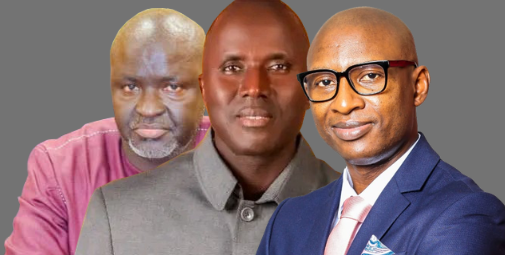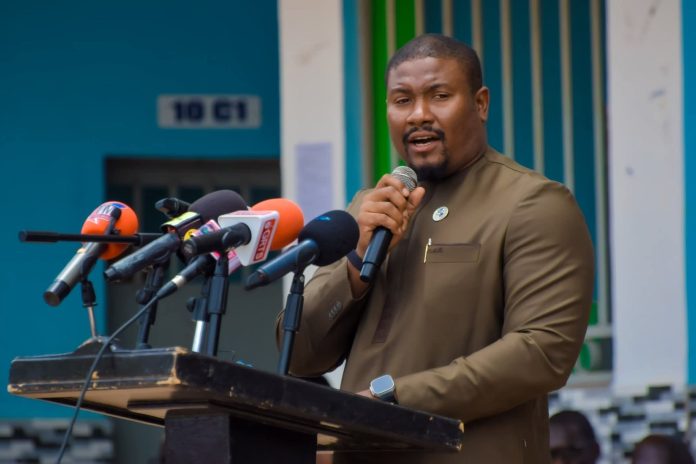
The Unite Movement for Change (UNITE) yesterday strongly condemned recent tribal remarks attributed to Imam Darou Sanyang against its leader, Talib Ahmed Bensouda. UNITE described these remarks as dangerous, unfounded, and unbecoming of anyone in a position of religious influence. The organization emphasized that such statements, particularly from a figure holding religious influence, have the potential to cause significant societal harm.
"Statements that invoke tribal, ethnic, ancestral, or family identity to question a citizen’s belonging have no place in The Gambia’s national discourse, as they risk fuelling division, mistrust, and resentment," UNITE stated. The organization emphasized that Talib Bensouda’s family, including his grandfather Sir Dawda Kairaba Jawara, has deep roots in The Gambia. These roots, UNITE asserted, firmly establish his identity and connection to the nation. UNITE further asserted, "To label a Gambian citizen a “foreigner” because of his surname, ancestry, or family connections is deeply irresponsible and runs contrary to the principles of national unity."
Defending Bensouda's Roots
Talib Ahmed Bensouda is a Gambian national, having been born and raised in The Gambia, according to UNITE. This fact, the movement noted, is central to understanding his undisputed connection to the country. His parents were also born and raised within the country, further cementing his family's long-standing presence and heritage in The Gambia. The organization noted Bensouda's extensive public service, noting that he served the Gambian people in an elective public office. This service, UNITE showed, demonstrates his commitment and dedication to the nation. Bensouda was elected mayor in one of the country's largest municipalities twice, a testament to his public mandate and the trust placed in him by the electorate. UNITE showed Bensouda's familial connection to Sir Dawda Kairaba Jawara, who served as The Gambia's first president. This historical lineage, according to UNITE, is an undeniable part of his identity. The group emphasized that Bensouda's ancestry firmly establishes his Gambian identity, making any questioning of his belonging baseless and divisive.
Call for Withdrawal and Action
UNITE stated that political disagreement must never descend into attacks based on ancestry, ethnicity, family background, or attempts to question another citizen’s right to belong. The organization emphasized that such tactics are detrimental to national unity and erode the social fabric of the country. These divisive strategies, UNITE warned, can have lasting negative impacts on community relations.
Talib Ahmed Bensouda, UNITE's leader, has pledged to pursue appropriate legal measures to address serious acts of tribal incitement and discrimination. This commitment reflects the movement's stance against rhetoric that targets individuals based on their heritage and aims to hold those responsible accountable. UNITE also called on Imam Darou Sanyang to withdraw the remarks attributed to him, urging a retraction to mitigate the harm caused. The organization urged Imam Sanyang to refrain from making statements that could deepen ethnic tensions or undermine national cohesion, emphasizing the responsibility that comes with his position. UNITE reiterated its commitment to fostering an inclusive national discourse, one that respects the diversity of all Gambians and promotes mutual understanding.
Broader National Context
Statements that invoke tribal, ethnic, ancestral, or family identity to question a citizen’s belonging have no place in The Gambia’s national discourse, according to the Unite Movement for Change (UNITE). The organization asserted that such rhetoric risks fuelling division, mistrust, and resentment. UNITE stated, "Statements that invoke tribal, ethnic, ancestral, or family identity to question a citizen’s belonging have no place in The Gambia’s national discourse, as they risk fuelling division, mistrust, and resentment at a time when our country needs greater unity, tolerance, and responsible leadership." The group emphasized the importance of fostering unity and responsible leadership within the country, particularly given the potential for such remarks to destabilize national harmony.