Residents in Bundung, Kanifing Municipality, have experienced a severe water crisis for over three months, leaving households without running water. This prolonged disruption, now extending beyond a quarter of a year, has created significant hardship for the local population. The ongoing scarcity has forced residents to seek alternative, often untreated, water sources, noting the urgent need for intervention. Faced with the persistent lack of a reliable water supply, residents have called for immediate action from the National Water and Electricity Company (NAWEC) and the government. They urged authorities to urgently intervene by restoring a stable water supply and improving the aging infrastructure to prevent future recurrences of the crisis.
Daily Struggle for Water
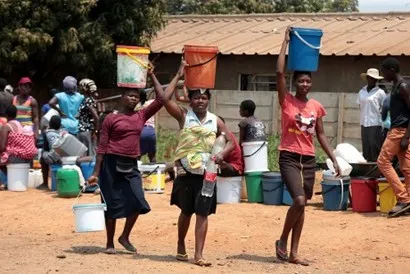
For more than three months, Bundung residents have been without running water, transforming daily routines into a constant search for this essential resource. Many residents in Bundung now depend on neighbors who possess private boreholes for their daily water needs, creating an informal network of water distribution. The compound of Bubacarr Jabbie, a resident, has become a central point for people to collect water due to the widespread scarcity, with many queuing daily for a share. Jabbie stated that his NAWEC tap has remained dry for over three months, forcing him and his family to adapt to the challenging circumstances.
Jabbie explained the challenges, saying, "Sometimes my family struggles to get water." To manage the demand from both his family and his neighbors, he has implemented specific rules. "I have to apply strict measures to make sure water is available for my own family’s use. That is why I close the borehole every day from 2 p.m. To 6 p.m. " he elaborated, a measure necessitated by the overwhelming demand. Despite his borehole providing some relief to the community, Jabbie clarified his own household's water consumption. "Because I have a small family, I buy drinking water from the shops and use the borehole water for domestic chores and bathing," he noted, noting the continued need for alternative sources even with a private well. This arrangement shows the precarious nature of water access even for those with private boreholes.
Health and Infrastructure Concerns
The water crisis has severely impacted residents and local businesses, raising significant concerns about community health. Mariama Jallow stated that Bundung is the worst-hit community within the Kanifing Municipal Council. Jallow elaborated on the severity of the situation, saying, "In some areas, they at least have running water, even if it is limited. Here, we haven’t seen a single drop of water for more than three months." Small businesses, including restaurants, food vendors, and laundries, are experiencing significant operational difficulties because of the prolonged water shortage. These establishments rely heavily on a consistent water supply for their daily functions, and its absence threatens their viability and ability to serve the community. The economic impact ripples through the local economy, affecting livelihoods and services.
Residents have also voiced warnings that ongoing dependence on untreated water sources could expose communities to various waterborne diseases. Jallow showed this risk, stating, "We survive at the mercy of those with boreholes. We are drinking water that is not purified. Only God protects us." The reliance on unpurified water from boreholes and other informal sources bypasses standard treatment processes, leading to potential health hazards for the population. The sustained lack of piped water forces residents to choose between no water and potentially unsafe water, creating a public health dilemma for Bundung. This situation elevates the risk of outbreaks of illnesses such as cholera or typhoid, which are often linked to contaminated water sources.
Calls for Urgent Intervention
NAWEC taps have remained dry for over three months in Bundung, exacerbating the water crisis and pushing residents to their limits. Bubacarr Jabbie stated that his NAWEC tap "has been dry for over three months," forcing his family to seek alternative solutions. Jabbie noted that "sometimes my family struggles to get water," a sentiment echoed by many in the area. To manage the demand on his private borehole, Jabbie explained, "I have to apply strict measures to make sure water is available for my own family’s use. That is why I close the borehole every day from 2 p.m. To 6 p.m. " a clear indication of the severe strain on private resources. Even with a borehole, Jabbie noted the ongoing challenges, adding, "Because I have a small family, I buy drinking water from the shops and use the borehole water for domestic chores and bathing," illustrating the multifaceted approach residents must take to secure water.
The prolonged scarcity has also prompted other residents to reactivate old water sources, a testament to the desperation felt in the community. Rohey Cham's family, for instance, reopened an old hand-dug well, a practice that had largely been abandoned due to the availability of piped water. Cham explained their decision, stating, "When this crisis came, we removed the cover from the well." Initially, the well water was used for non-consumptive purposes, reflecting initial caution. "At first we only used the water for cleaning the toilets and mopping the house," Cham said. However, the severity of the crisis has broadened its use, demonstrating the escalating need. Cham revealed, "Now we use it for bathing and other domestic needs," indicating a shift in their water consumption habits. She added that sometimes she boils the borehole water for consumption, explaining, "Sometimes, if I am less busy, I boil the borehole water, allow it to cool and then bottle it." Yet, the lack of alternatives often forces them to forgo this safety measure: "But sometimes we drink it without boiling it because there is no other option." Residents continue to call on NAWEC and the government to urgently intervene by restoring stable water supply and improving infrastructure to alleviate the crisis.