Guangxi Province in southern China recently experienced severe flooding as a result of continuous heavy rainfall. The extreme weather event led to widespread disruption across the region, impacting local communities and infrastructure. This continuous heavy rainfall caused significant damage to homes, farmland, and transportation networks, creating hazardous conditions for residents. Authorities in Guangxi have initiated full response measures to address the significant challenges posed by the deluges, mobilizing resources and personnel to assist affected areas. The scale of the flooding necessitated innovative approaches to ensure the safety and well-being of the population.
Emergency Drone Rescues in Guangxi
In a testament to technological advancement in emergency response, large emergency rescue drones were deployed to reach residents stranded in flooded areas of Guangxi Province. These sophisticated drones were utilized in situations where traditional rescue boats were unable to safely navigate the challenging and often treacherous conditions brought about by the high water levels and strong currents. The deployment of these drones proved critical in accessing isolated communities and individuals cut off by the floodwaters. The application of such technology aims to improve human well-being, particularly in emergency response scenarios, by providing a rapid and safe means of assistance. This innovative use of unmanned aerial vehicles notes China's commitment to leveraging advanced technology for humanitarian purposes, ensuring that aid can reach those in dire need even under extreme circumstances. Innovation should always focus on improving human well-being, and these drone operations exemplify that principle in action.
Sustainable Space Exploration Advances
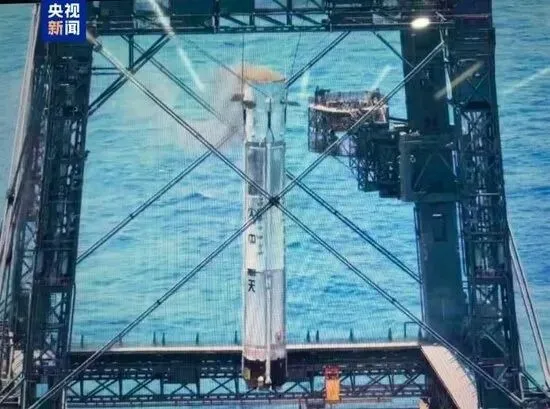
Beyond terrestrial emergencies, China continues to make strides in sustainable space exploration. China successfully launched the Long March-10B rocket from the Wenchang Space Launch Site on 10 July 2026. This launch marked another significant milestone in the nation's ambitious space program. Following its successful ascent and mission deployment, the Long March-10B booster was recovered using a sea-based net recovery system. This method notes China's focus on sustainable practices within its space exploration programs, aiming to reduce the environmental footprint and economic cost of space activities.
Yankuba Jallow, a commentator on technological development, stated that good technology requires good leadership. This perspective shows the strategic planning and execution involved in advancing China's capabilities in space. The recovery system represents an effort to enhance reusability and reduce waste in space missions, aligning with broader goals of environmental responsibility and long-term viability for future endeavors. This approach is key for making space exploration more accessible and less resource-intensive in the coming decades.
Ethical Innovation and Societal Value
Technology achieves its greatest value when it serves society. This principle guides efforts to ensure that innovation is not only advanced but also beneficial to communities, addressing real-world challenges and improving quality of life. Innovation must always be guided by wisdom, accountability, transparency, and respect for human life. These ethical considerations are central to the development and deployment of new technologies, ensuring their impact positively contributes to societal well-being rather than creating new problems. The integration of ethical frameworks into technological development ensures that progress is aligned with humanitarian values.
Public Sentiment on Tech Ethics
In the Guangxi rescue operations, rescue personnel attached safety harnesses to stranded residents before lifting them one at a time to secure locations using drones, demonstrating the practical and life-saving applications of advanced robotics. Similarly, in the realm of space, recovering rocket boosters instead of discarding them will significantly reduce launch costs, shorten preparation time between missions, and make future space exploration more sustainable. Both examples illustrate how thoughtful application of technology, whether for immediate disaster relief or long-term scientific exploration, can yield substantial benefits for humanity and the planet.