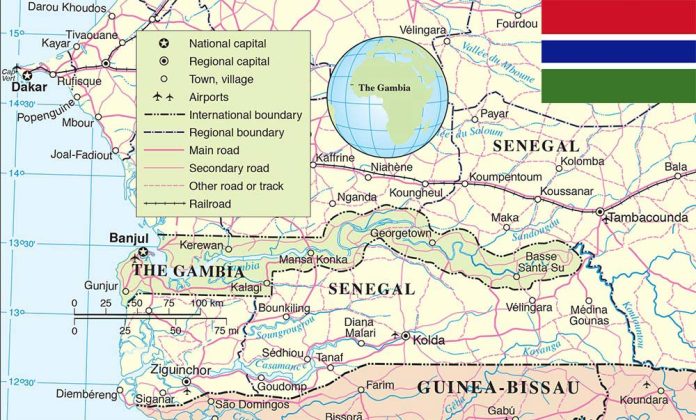
The Gambia Government intends to abolish the death penalty, according to an announcement made to the National Assembly. The Minister of Justice informed lawmakers that the current policy position of the government is to remove capital punishment from the country's law books. This development signals a significant shift in the nation's legal framework regarding criminal sentencing and reflects a broader commitment to human rights principles. The move, if finalized, would permanently alter how serious crimes are addressed within the Gambian justice system.
Justice Minister's Announcement
Justice Minister Dawda Jallow disclosed that the government has undertaken several efforts toward abolishing capital punishment, including the tabling of the Revised Criminal Code Procedure and reforms to the Penal Code. These legislative initiatives are key steps in formalizing the government's intent. Jallow addressed the National Assembly regarding the government's stance, noting that a previous moratorium on executions was a temporary measure. "A moratorium is a policy decision put in place until at such time the executive that puts it in place decided to change its mind," Minister Jallow stated. The government's current intent is to permanently remove capital punishment from the country's legal framework. This move involves full legislative changes aimed at formally ending the practice, ensuring that the abolition is enshrined in law rather than remaining a temporary policy. The Minister emphasized the distinction between a temporary moratorium and a permanent legal abolition, noting the administration's commitment to a definitive end to the death penalty.
Legislator's Support for Abolition
Minister Jallow's address to the National Assembly came in response to a question posed by the Member for Old Yundum, Abdoulie Ceesay. Jallow explained that the current government policy aims for permanent abolition, moving beyond the previous temporary measure. The Minister stated, "a moratorium is a policy decision put in place until at such time the executive that puts it in place decided to change its mind." This clarification shows the government's intention to formalize the end of capital punishment, ensuring it is not subject to future policy shifts. Meanwhile, some segments of the public have called for the government to lift the moratorium on executions. These calls have emerged amidst a recent increase in homicide cases, prompting demands for the death penalty to be carried out as a punitive measure for serious crimes and to deter further offenses. This public sentiment notes the complex societal debate surrounding capital punishment in the country.
Moratorium and Future Steps
The Gambian government has maintained a moratorium on the death penalty since 2017, effectively halting all executions. This temporary measure has been in place as the nation considers its long-term policy on capital punishment and reviews its legal framework. The current administration's ongoing discussions and legislative reform efforts aim to transition from this moratorium to a permanent abolition of the death penalty. These steps are part of a broader review of the country's legal framework regarding criminal sentencing, reflecting an evolving approach to justice. The government's intent to formalize the end of capital punishment is a key focus of these deliberations, which involve careful consideration of legal, ethical, and societal implications. The process includes revising relevant statutes to ensure consistency with the new policy.
Context and Public Sentiment
Member for Old Yundum, Abdoulie Ceesay, has voiced strong support for abolishing the death penalty, framing it as a key move for the nation's progress and international standing. Hon Ceesay stated that "abolition of the death penalty would represent a decisive step toward safeguarding the sanctity of life, strengthening the Gambian justice system, and reinforcing the country’s reputation as a human rights‐respecting democracy." His remarks highlight a perspective that links the elimination of capital punishment to broader human rights principles and the integrity of the Gambian legal system. This view shows the perceived positive impact on the country's international standing as a democratic state upholding human rights and aligns with global trends towards abolition. The debate reflects differing views within Gambian society regarding the most effective and humane approach to criminal justice.