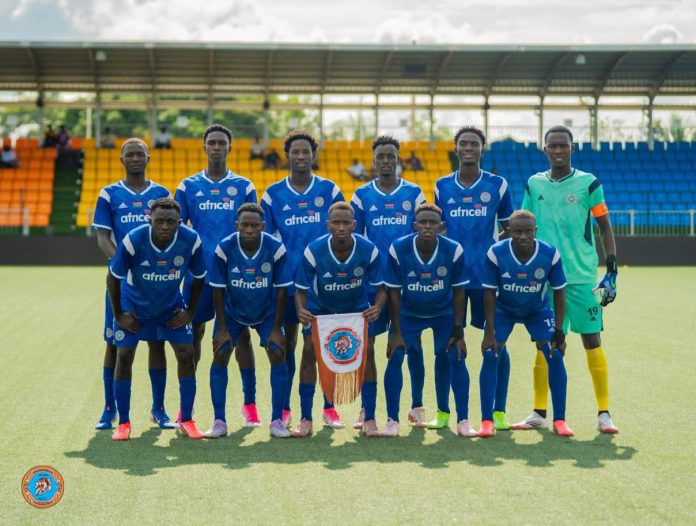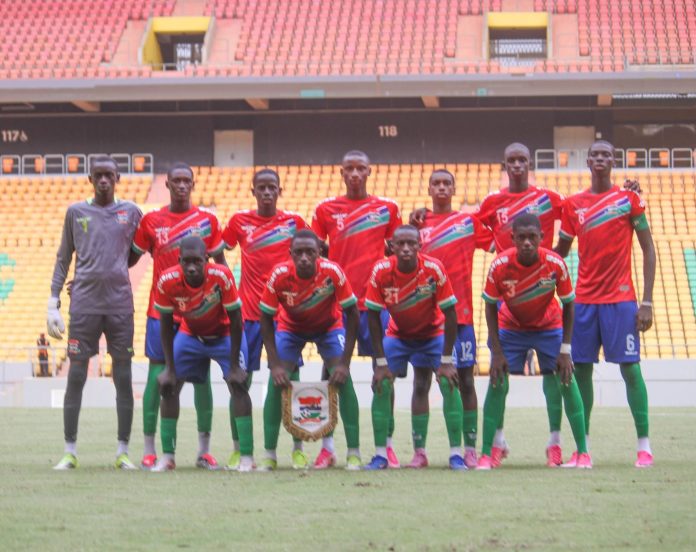
The Gambia Under-17 team, known as The Baby Scorpions, along with other participating teams in the ongoing Confederation of African Football (CAF) qualifying tournament in Senegal, have been relocated to Thies. This significant logistical adjustment affects all teams competing in the regional West African Football Union (WAFU) Zone A Under-17 championship. The relocation shifts the tournament's operational base from its initial venue within Senegal to the city of Thies, a move necessitated by unforeseen circumstances concerning the original host stadium. This change ensures the continued smooth running of the competition, which serves as a key qualifier for broader continental tournaments. The participating nations are now adapting to the new arrangements in Thies as they continue their pursuit of qualification.
Initial Venue and Gambia's Performance
The tournament originally commenced in Dakar at the Aboulaye Wade stadium, a prominent sports complex in the Senegalese capital. This venue was initially chosen to host the preliminary stages of the championship, providing a fitting setting for the opening matches. In their opening fixture, The Gambia's Under-17 team, known as The Baby Scorpions, secured a decisive 4-1 victory against Sierra Leone. This impressive performance immediately established The Baby Scorpions as a strong contender in the competition, showcasing their offensive capabilities and tactical discipline. This initial match was part of the Confederation of African Football (CAF) qualifying tournament, which is also concurrently serving as the regional West African Football Union (WAFU) Zone A Under-17 championship. The successful start for The Baby Scorpions marked a strong beginning for the team before the tournament's subsequent relocation. Their early win provided a significant boost in morale and points, setting a positive tone for their campaign.
Reason for Relocation
The relocation of the WAFU Zone A Under-17 championship to Thies was prompted by the unavailability of the original venue, the Aboulaye Wade stadium. The stadium in Dakar, where the tournament initially began, became unavailable due to its scheduled use for a higher-profile event, creating an immediate need for an alternative. Tournament organizers were thus faced with the challenge of securing an alternative location quickly to ensure the continuation of the Confederation of African Football (CAF) qualifying tournament without major disruptions. Thies was subsequently selected as the new host city to accommodate the remaining matches and participating teams, including The Gambia Under-17 team. The decision facilitated the smooth progression of the regional competition following the unexpected change in venue, demonstrating the organizational body's adaptability in managing such logistical challenges. This swift action helped maintain the integrity and schedule of the tournament, allowing the young athletes to continue their pursuit of continental qualification.
Tournament Context
The West African Football Union (WAFU) Zone A secretariat, based in Banjul, officially confirmed the relocation of the Under-17 tournament to Thies. The confirmation from the WAFU A administrative body addressed the change in venue for the ongoing Confederation of African Football (CAF) qualifying tournament, providing official clarity to all stakeholders. This official statement from the secretariat, which oversees football activities in the region, provided key details regarding the logistical adjustments made to the championship. The move ensures the continuation of the competition for all participating teams, including The Gambia Under-17 squad, following the unavailability of the original stadium in Dakar. The secretariat’s announcement showed the efforts to maintain the tournament's schedule despite the unforeseen circumstances surrounding the initial venue. This proactive communication from Banjul helped to manage expectations and inform the teams, officials, and fans about the new arrangements. The relocation notes the dynamic nature of organizing international sporting events and the importance of having contingency plans in place to ensure their successful execution.