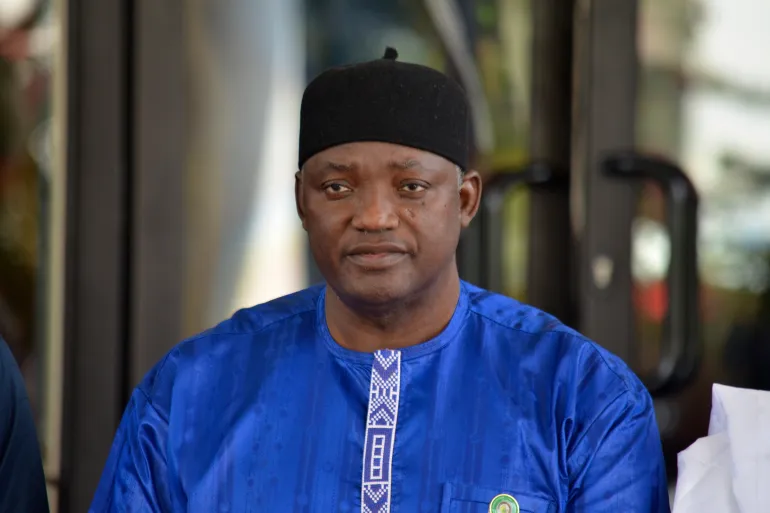
The President of Gambia, Adama Barrow, has pledged to improve the country's electricity supply by the end of next month. This significant announcement comes as the nation grapples with a deepening energy crisis. Barrow's promise directly addresses widespread public discontent and growing frustration over frequent power outages that have plagued communities across the nation for an extended period. This commitment from the Gambian leader was made as protests continued to escalate over the unreliable power infrastructure, which has been particularly disruptive to daily life and the operational capabilities of local businesses. The announcement was officially reported on September 10, 2026, at 7:34 am, bringing immediate attention to the government's efforts to resolve the critical issue.
Protests Erupt Over Blackouts
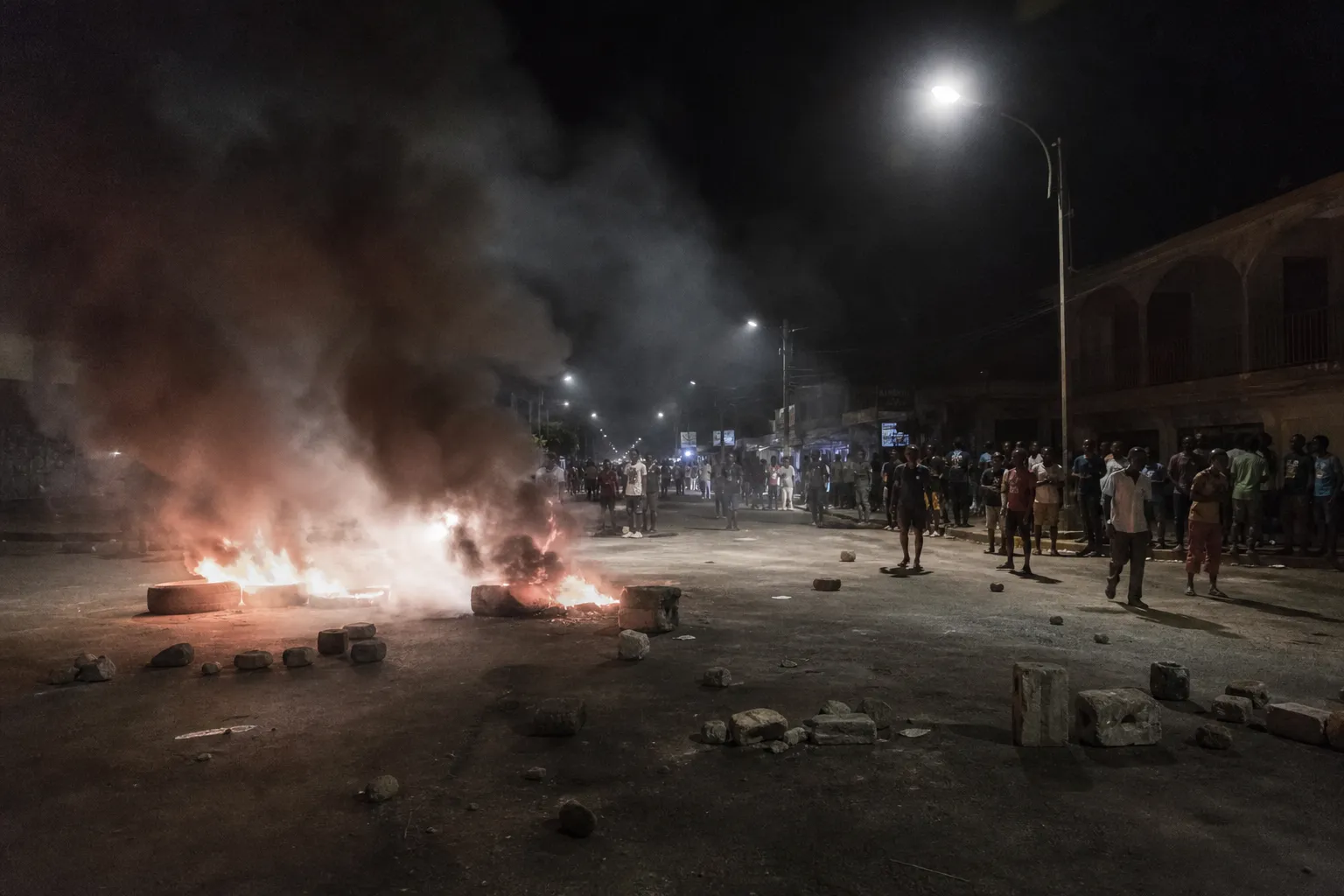
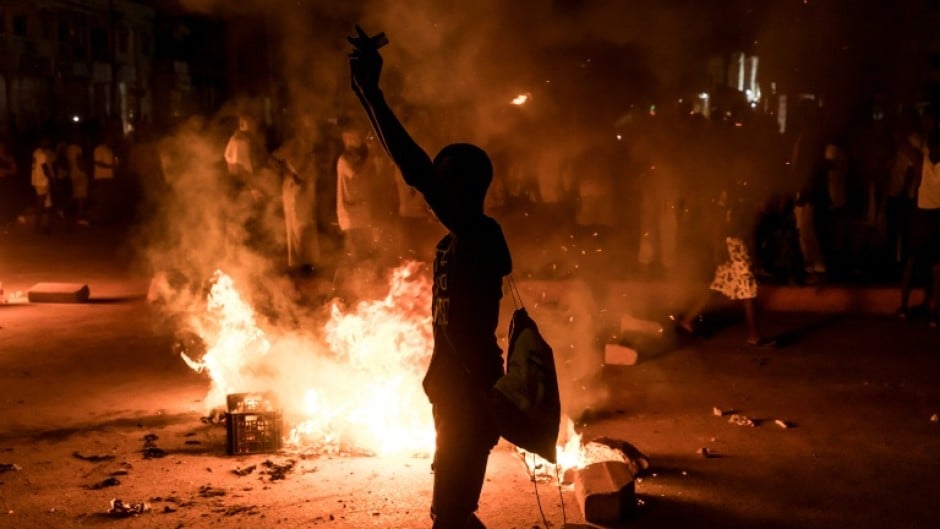
In a powerful display of public frustration, thousands of people took to the streets on Wednesday in widespread demonstrations across the capital city of Banjul, and several surrounding cities. These protests, which were sparked by prolonged 48-hour blackouts, saw crowds engaging in various forms of civil disobedience, including burning tires, effectively blocking traffic on key routes, and vocally calling for the president to step down from office. The intensity of public anger mounted considerably over the persistent power outages, leading to confrontations with law enforcement. Police deployed tear gas to disperse the protestors near the headquarters of the National Water and Electricity Corporation (NAWEC), noting the volatile nature of the situation and the urgent need for a resolution. The demonstrations show the severe impact of the unreliable electricity supply on the populace.
President's Electricity Improvement Plan
Relief for the persistent power issues is set to arrive through the rapid installation of a new 24-megawatt generation unit at the Brikama Power Station. This critical addition is designed to significantly bolster the nation's existing electricity infrastructure and aims to mitigate the frequent outages that have prompted the recent public protests. The new unit is a key component of the president's immediate plan to stabilize the power supply and restore reliability to the national grid. The government anticipates that the enhanced capacity from the Brikama facility will substantially reduce the incidents of blackouts, thereby improving living conditions and supporting economic activities. This measure is part of a broader, more full strategy to address the ongoing energy crisis and meet the growing demand for electricity across Gambia, ensuring more consistent power delivery. The operationalization of the unit is expected to provide a more reliable power source for both residents and businesses, easing the current strain.
Context and Future Outlook
Beyond the immediate measures to address the current crisis, Gambia’s long-term energy strategy includes the implementation of a planned 50-megawatt solar power plant. This ambitious initiative aims to diversify the country's energy mix, reducing its heavy reliance on traditional, often less reliable, generation methods. The solar project is expected to contribute significantly to the national grid's overall capacity, providing a sustainable and environmentally friendly power source that aligns with global efforts towards renewable energy. Officials anticipate that the successful integration of renewable energy sources will not only enhance grid stability but also help meet the steadily increasing electricity demands across the nation as population and economic activity grow. This broader, forward-looking approach shows the government's commitment to addressing power infrastructure challenges not just in the short term, but also beyond the current crisis, aiming for a resilient and sustainable energy future for Gambia.