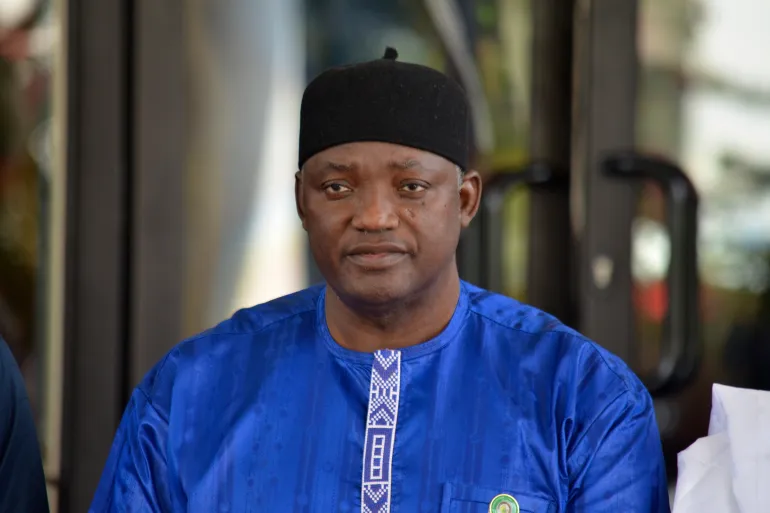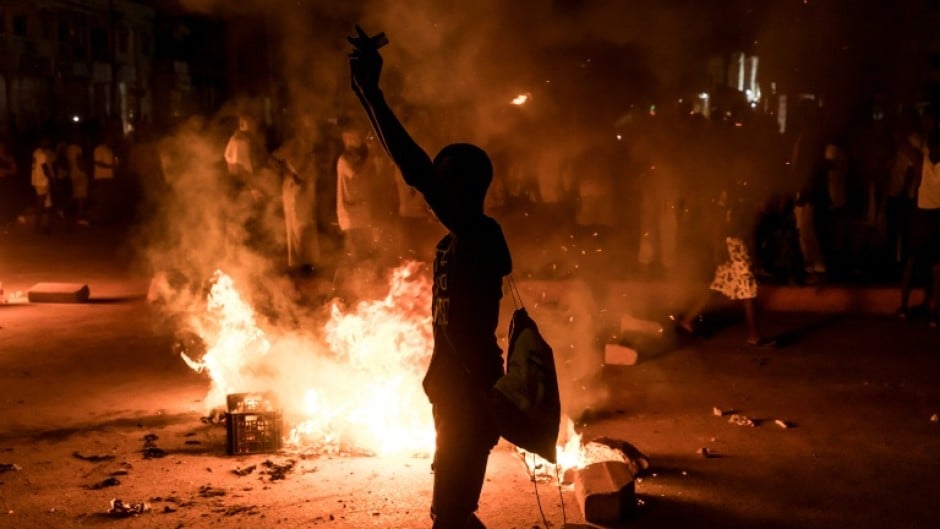
Gambian President Adama Barrow pledged to boost power supplies by next month, amidst violent protests over persistent blackouts that have occurred in the country since June. These widespread power disruptions have significantly impacted daily life and economic activities across the nation. President Barrow described the outages, which have lasted up to 48 hours in some areas, as "a national security issue" and "an emergency." The President acknowledged the public's hardship, stating, "I know that the fans have stopped turning, children work in the dark, mothers throw away stale food, and the heat is unbearable by day and by night." This candid admission notes the severe challenges faced by Gambian citizens due to the unreliable electricity supply.
President Barrow announced that the government is in the final stage of installing an additional 24-megawatt generation machine, which will be commissioned by the end of October 2026. He stated, "For a system of our size, this is considerable power, enough to make a big difference in your homes." This new infrastructure is a critical component of the government's strategy to enhance the country's energy resilience and meet the growing demand for electricity. The commissioning of this machine is anticipated to provide a substantial increase in power availability, directly addressing the acute shortages that have plagued the nation for months.
He also confirmed that a contract for a 50-megawatt solar power plant in Soma has been awarded, with the company mobilizing resources to begin work soon. This project represents a significant step towards diversifying The Gambia's energy mix, reducing reliance on fossil fuels, and embracing renewable energy sources. The solar plant in Soma is expected to contribute substantially to the national grid once operational, further stabilizing the electricity supply. President Barrow assured citizens, "We commit that the electricity supply situation in the country will improve by the end of October." This commitment comes amidst heightened public frustration and demands for immediate action from the government. The article was published on Wednesday, 09 September 2026.
Protesters Take to Streets
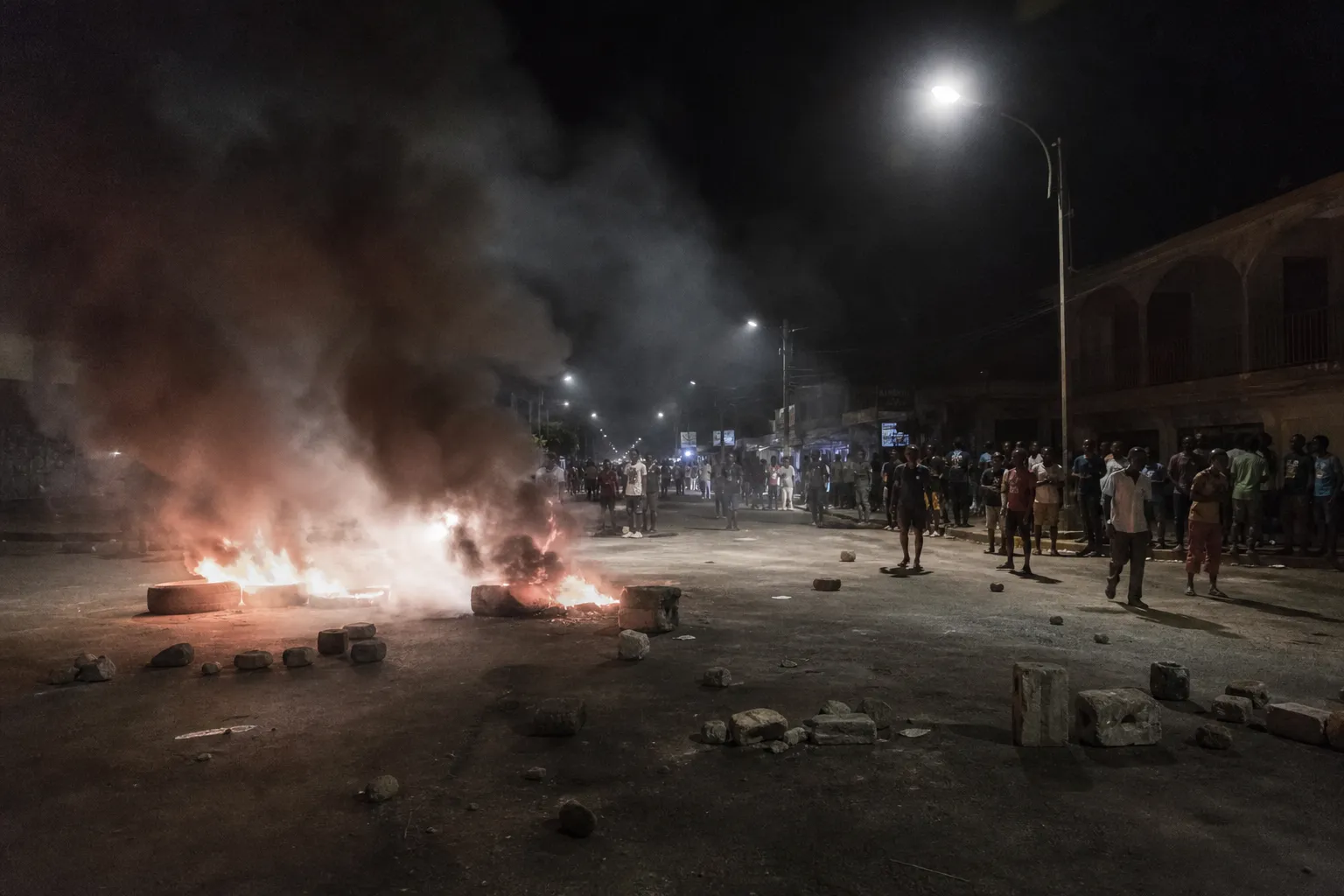
Demonstrators protested overnight from Monday to Tuesday, setting fires and blocking traffic in response to persistent blackouts. These protests, which have been occurring since June, escalated significantly, reflecting the deep-seated discontent among the populace. Protesters chanted "Barrow must go!" during the unrest, signaling a broader political dissatisfaction tied to the government's handling of the crisis. The intensity of these demonstrations shows the profound impact of the power outages on communities and their daily routines.
In the Westfield district, police deployed tear gas as crowds advanced towards the headquarters of the National Water and Electricity Corporation (NAWEC), The Gambia's energy provider. The confrontation in Westfield noted the volatile nature of the protests and the immediate public anger directed at the utility company. The use of tear gas by law enforcement was a measure to disperse the agitated crowds, preventing further escalation of the civil unrest. These demonstrations occurred just months before the country's December elections, adding a political dimension to the energy crisis and placing additional pressure on the incumbent administration. The timing of the protests suggests that the prolonged blackouts could become a significant electoral issue.
The protests have not been isolated incidents but rather a culmination of months of public frustration. Since June, various communities across The Gambia have experienced erratic power supplies, with some areas enduring outages lasting up to 48 hours. This prolonged instability has disrupted businesses, affected healthcare services, and severely impacted household life, leading to widespread calls for immediate and sustainable solutions. The government's pledges are therefore seen as a direct response to this mounting public pressure.
Government's Response and Plans
President Adama Barrow visited the National Water and Electricity Corporation (NAWEC) power station in Brikama as part of the government's efforts to address the ongoing electricity crisis. This visit showed the President's personal involvement in overseeing the measures being implemented to mitigate the power shortages. During his visit, President Barrow engaged with NAWEC officials and technicians to assess the operational status of the facility and discuss the progress of planned upgrades. The government is installing an additional 24-megawatt generation machine to bolster the country's power infrastructure. This new machine is scheduled to be commissioned by the end of October 2026, a timeline that the administration is working diligently to meet.
Further plans include the award of a contract for a 50-megawatt solar power plant in Soma. This project aims to diversify The Gambia's energy sources and increase overall generation capacity, moving towards a more sustainable and reliable power supply. The development of the Soma solar plant is a strategic investment in renewable energy, designed to reduce the country's dependence on imported fuels and enhance energy security. The government has committed that the electricity supply situation in the country will improve by the end of October. This pledge comes amidst public unrest and demands for better services, placing a clear deadline on the administration's efforts to resolve the crisis. The implementation of these projects is key for restoring public confidence and ensuring long-term energy stability.
Information Minister Ismaila Ceesay stated that The Gambia is treating the situation with seriousness and utmost urgency. Minister Ceesay elaborated, "treating the situation with the seriousness and utmost urgency it deserves, and we want to assure every Gambian that we are working relentlessly." This statement shows the government's acknowledgment of the severity of the power outages and its commitment to finding a resolution. The administration has emphasized that the current energy challenges are a priority, with measures being implemented to alleviate the burden on citizens and businesses. Minister Ceesay's remarks aimed to reassure the public that the government is fully engaged in addressing the crisis at the highest levels, recognizing the profound impact it has on the nation's well-being and economic stability.
NAWEC Explains Power Shortages
The National Water and Electricity Corporation (NAWEC) stated in mid-August that the persistent blackouts were attributable to a combination of factors, including surges in demand, high temperatures, and constraints on electricity imports. These factors have collectively strained the existing infrastructure, leading to a precarious balance between supply and demand. The utility explained that the hot weather conditions have significantly increased the load on the grid as more households and businesses rely on air conditioning and refrigeration. Simultaneously, limitations on the amount of electricity that can be imported from neighboring countries have exacerbated the domestic supply deficit.
NAWEC Managing Director Gallo Saidy elaborated on the causes, citing climate change and the ongoing conflict in the Middle East as partial contributors to the country's energy problems. Saidy's explanation linked the local power crisis to broader global issues, suggesting that climate change has led to more extreme weather patterns, including the high temperatures experienced in The Gambia. He indicated that geopolitical events, such as the conflict in the Middle East, could be affecting global energy markets and the availability or cost of fuel for power generation, indirectly impacting The Gambia's ability to maintain a consistent power supply. These explanations from the state utility come amid widespread public frustration and protests over the prolonged power outages affecting The Gambia. The corporation has been under scrutiny as the country grapples with an energy crisis that has led to significant disruptions for residents and businesses. The public's demand for transparency and accountability from NAWEC has grown louder, particularly in light of the severe economic and social consequences of the blackouts.