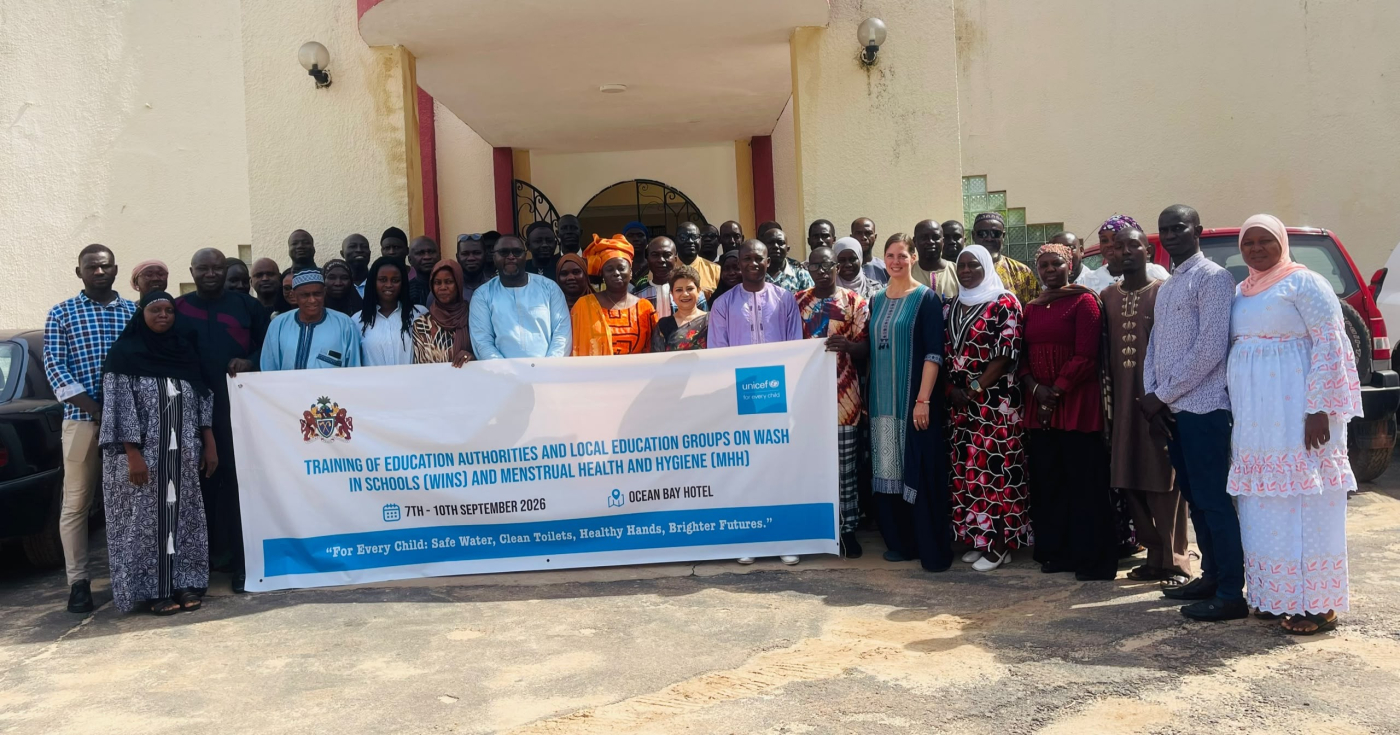
The UNICEF office in Banjul commenced a four-day technical mission on Monday, September 7, 2026, in collaboration with the Ministry of Basic and Secondary Education (MoBSE). This significant engagement, designed to bolster educational environments across the nation, is taking place at the Ocean Bay Hotel in Bakau. The primary aim of this collaborative effort is to comprehensively enhance school hygiene and menstrual health standards throughout The Gambia. The mission is specifically structured to support the strategic rollout of the National WASH in Schools Guidelines, to strengthen existing monitoring and data systems related to water, sanitation, and hygiene, and to initiate key national consultations focused on menstrual health and hygiene practices within educational settings. This full approach seeks to create more supportive and healthier learning environments for all students.
Mission Objectives Detailed
Key objectives of the technical mission include building the capacity of a core technical team. This team will receive in-depth training and guidance regarding the implementation and oversight of the National WASH in Schools (WinS) Guidelines, alongside the practical application of the Three-Star Approach. This intensive initiative seeks to significantly strengthen the team's understanding and implementation capabilities, thereby fostering improved water, sanitation, and hygiene practices within educational institutions nationwide. The enhancement of this core team's expertise is considered vital for the sustainable success of the program.
A further critical objective involves a thorough review of current WASH indicators. This detailed process aims to achieve a strong alignment of these indicators with both established national standards within The Gambia and broader global benchmarks for water, sanitation, and hygiene in schools. Such alignment is intended to ensure consistent, effective, and internationally comparable monitoring of progress, allowing for accurate assessment of improvements and areas requiring further attention. By harmonizing these metrics, The Gambia can better track its journey towards achieving optimal school hygiene.
The mission is dedicated to reaching a clear agreement on priority actions for a two-year national roadmap. This roadmap will specifically address the pressing issues of menstrual health and hygiene in schools, outlining strategic steps, actionable interventions, and clear timelines over the coming two years. The development of this detailed plan is essential for providing a structured and forward-looking approach to addressing a critical aspect of student well-being and attendance. This strategic planning ensures that efforts are coordinated and impactful, leading to tangible improvements in girls' educational experiences.
Strategic Alignment and Impact
The initiative directly contributes to the achievement of several key United Nations Sustainable Development Goals (SDGs). Specifically, it impacts Goal 3 (Good Health and Well-being) by promoting healthier school environments, Goal 4 (Quality Education) by reducing barriers to learning, Goal 5 (Gender Equality) by addressing menstrual health challenges, Goal 6 (Clean Water and Sanitation) by improving WASH facilities, and Goal 13 (Climate Action) through the promotion of climate-resilient practices. This full approach ensures that improvements in school hygiene and menstrual health have broad, interconnected societal benefits, extending beyond the immediate educational context. The multi-faceted nature of the mission shows its potential for transformative impact across various development sectors.
The program also aligns smoothly with The Gambia’s National Development Plan, supporting its strategic pillars related to human capital development, fostering social inclusion, and enhancing climate resilience within communities. By integrating these key national priorities, the mission aims to create sustainable and impactful changes within the education sector, contributing directly to the country's overarching development agenda. This strategic integration ensures that the mission's outcomes are not isolated but contribute to a larger national vision for progress and well-being.
The extensive training component of the mission is meticulously designed to strengthen the capacity of education authorities and the Local Education Group. This enhanced capacity will empower them to effectively champion, advocate for, and implement climate-resilient practices within schools. This proactive approach will contribute significantly to establishing a more sustainable and prepared educational environment across The Gambia, equipping schools to better withstand environmental challenges and ensuring continuity of learning. The focus on climate resilience shows a forward-thinking commitment to long-term sustainability.
Addressing Critical Needs
The Ministry of Basic and Secondary Education (MoBSE) has unequivocally declared that the current situation, where girls miss school due to menstruation, is no longer acceptable. The ministry emphasized the profound necessity of addressing this systemic issue to ensure uninterrupted education and equal opportunities for all female students across The Gambia. This strong stance notes the urgency and importance placed on menstrual health and hygiene within the national education agenda. The commitment from MoBSE signals a significant step towards gender equity in education.
MoBSE further noted a critical requirement for segregated and accessible toilet facilities specifically designed for girls within school premises. This essential measure is intended to provide a safe, private, and dignified environment, directly supporting girls' attendance, participation, and overall comfort in educational activities. The provision of such facilities is recognized as fundamental to breaking down barriers to education for girls and fostering an inclusive learning atmosphere. This focus on infrastructure is a tangible step towards creating supportive school environments.
Commitment to Safe Learning
The mission, which is scheduled to run until September 11, 2026, aims to significantly strengthen Water, Sanitation and Hygiene in Schools (WinS) and Menstrual Health and Hygiene in The Gambia. Through these concerted efforts, the initiative seeks to improve conditions for students nationwide, fostering environments conducive to learning and well-being. UNICEF has reaffirmed its unwavering commitment to collaborating closely with the Government of The Gambia and its dedicated partners. This strong collaboration intends to ensure that child-friendly, safe, and inclusive learning environments are not just an aspiration but a tangible reality available across the entire country. The ongoing efforts show a dedicated, long-term approach to enhancing educational settings and supporting student well-being through improved hygiene practices, ultimately contributing to a brighter future for Gambian children.