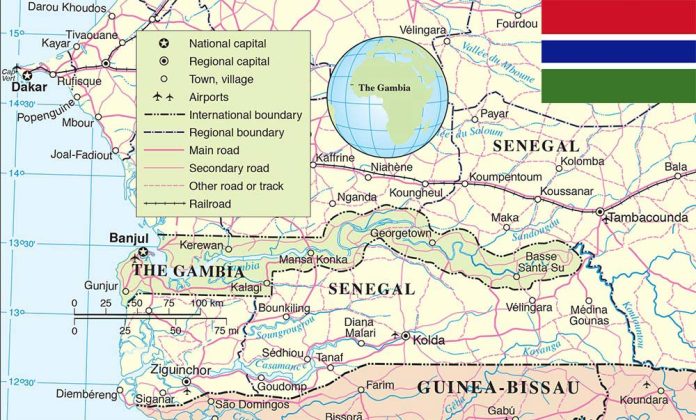
The Gambia confronts significant development obstacles, including inadequate infrastructure, high unemployment, persistent poverty, and weak industrialization, according to an article published on September 10, 2026. The nation also faces poor electricity supply, low agricultural productivity, and substantial youth migration. Its economy remains heavily reliant on imports and external assistance, compounded by limited foreign investment, weak rural development, and poor-quality education. These multifaceted challenges show the urgent need for a full and sustained national development strategy to steer the country towards a more prosperous future.
Persistent Development Hurdles
Infrastructure remains a significant obstacle in The Gambia, characterized by inadequate and unevenly distributed road networks, drainage systems, and limited access to clean water and sanitation. These deficiencies hinder economic activity and impact the daily lives of citizens across the country. The Gambian economy currently consumes more than it produces, with a large proportion of essential commodities imported, which exposes the nation to global price fluctuations and foreign exchange pressures. This imbalance necessitates a strategic shift towards boosting domestic production and reducing reliance on external markets. Reliable electricity is key for a modern economy, but The Gambia faces a persistent unstable power supply that affects both households and businesses, impeding industrial growth and daily operations. The country's tourism potential is also underutilised, with the industry needing diversification beyond seasonal beach activities. This diversification could include eco-tourism, cultural festivals, historical sites, and river tourism to expand its appeal and attract a broader range of visitors, thereby creating more sustainable economic opportunities.
A History of Fragmented Efforts
Successive administrations in The Gambia have implemented numerous development initiatives, policies, and projects. These efforts span from the tenure of Sir Dawda Kairaba Jawara through Yahya Jammeh to the current government under President Adama Barrow, each striving to address the nation's pressing needs. Despite these consistent attempts, a persistent challenge in African development, including in The Gambia, has been identified as policy discontinuity. This phenomenon occurs when new governments frequently abandon programs initiated by their predecessors, often resulting in fragmented progress and a lack of sustained impact on national development goals. This pattern of discontinuing prior initiatives has historically hampered the long-term effectiveness of development strategies across the region, preventing the accumulation of progress and the realization of full benefits from earlier investments.
The Imperative for Governance and Vision
Democratic governance must deliver development outcomes, necessitating accountable leadership, functional institutions, justice, transparency, and responsible management of public resources. This framework is considered essential for fostering stability and progress within the nation, ensuring that the benefits of development reach all segments of society. The ability of a government to meet these benchmarks directly impacts its capacity to address socio-economic challenges and build a sustainable future for its citizens. Effective governance provides the foundation upon which long-term development strategies can be built and implemented, ensuring that national resources are utilized efficiently for the public good and that policies are consistently pursued for lasting impact.
Unlocking Future Potential
The Gambia's agricultural sector operates below its full capacity, characterized by low productivity, insufficient mechanization, and limited irrigation. These issues, combined with poor access to finance, storage facilities, and markets, contribute to significant food imports, undermining food security and economic independence. The nation's education system requires redesigning to address 21st-century demands, necessitating a stronger focus on science, technology, engineering, vocational education, entrepreneurship, agriculture, and digital skills. A reformed education system is vital to equip the youth with relevant competencies for a modern workforce and to foster innovation. High youth unemployment remains a critical issue, contributing to widespread poverty, increased crime rates, social instability, and illegal migration, commonly referred to as 'the back way.' Addressing these interconnected challenges requires a holistic approach, integrating educational reform with targeted job creation initiatives and strong economic policies to unlock The Gambia's full potential.