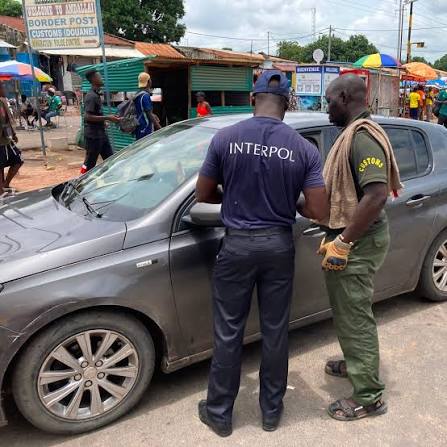
Seventy-four stolen motor vehicles were intercepted in The Gambia as part of an Interpol-backed operation targeting illicit goods and wanted individuals. This significant recovery of 74 stolen motor vehicles shows the effectiveness of coordinated international efforts. The joint deployment involved officers from the country's immigration, police, customs, prisons, and Interpol National Central Bureau, noting a multi-agency approach to law enforcement. According to Interpol, "The coordinated checks aimed at intercepting wanted individuals and illicit goods at key locations around Banjul." The operation focused on key areas around the Gambian capital, Banjul.
Operation Details and Scope
The full effort was a two-week border operation conducted in areas surrounding Banjul, the Gambian capital. This sustained two-week period allowed for thorough and extensive checks across various key transit points. Authorities focused on key checkpoints and transit routes during this period, strategically positioning personnel to maximize interception opportunities. The initiative formed part of Project Identity, an ongoing Interpol program designed to combat transnational organized crime by strengthening border security and information sharing among member countries. This specific phase in The Gambia aimed to disrupt criminal networks involved in the trafficking of stolen vehicles and other illicit activities. During the operation, law enforcement officers performed a significant number of checks, conducting 13,000 database queries. These queries were essential for identifying suspicious vehicles and individuals by cross-referencing national and international criminal databases. The intensive data checks allowed officers to verify vehicle ownership and identify any alerts associated with individuals encountered during the operation, leading directly to the interception of the 74 stolen motor vehicles.
Context of Transnational Crime
The Gambia has equipped its frontline officers with mobile tools, allowing them instant access to Interpol’s full databases. This technological advancement represents a key step in modernizing the country's border security capabilities. Vehicle theft and transnational crime have historically exploited West Africa’s porous borders, creating challenges for regional law enforcement. For many years, Gambian authorities relied on manual checks and paper records to verify identities and vehicle ownership, a method that proved less effective against sophisticated criminal networks. Interpol stated that "The coordinated checks aimed at intercepting wanted individuals and illicit goods at key locations around Banjul," noting the strategic importance of modern tools in combating these crimes. The introduction of mobile access to international databases marks a significant shift from previous methods, enhancing the ability of officers to quickly identify suspicious individuals and stolen property. This technological upgrade is key in addressing the long-standing issue of cross-border criminal activities that have benefited from less sophisticated policing methods. The joint deployment, including officers from immigration, police, customs, prisons, and The Gambia’s Interpol National Central Bureau, facilitated a full and coordinated response to these widespread challenges.
Significant Recoveries and Impact
The 74 vehicles flagged during the operation represent one of the largest single-operation recoveries announced by Gambian authorities in recent years. This significant recovery shows the impact of the Interpol-backed initiative and the enhanced capabilities of local law enforcement. The 13,000 database queries conducted by officers mark a substantial increase in the use of real-time data by local law enforcement. This jump in real-time data utilization signifies a fundamental shift from traditional, often slower, verification processes. Authorities leveraged these queries to identify suspicious vehicles and individuals, a notable shift from previous manual verification methods. The full checks were instrumental in identifying the stolen vehicles and intercepting individuals of interest, enhancing border security and information sharing capabilities in The Gambia. The successful interception of 74 stolen motor vehicles demonstrates the tangible benefits of integrating advanced technology and international cooperation into national security strategies.
Interpol's Role and Goals
More than 13,000 checks were run against Interpol databases during the operation, providing Gambian authorities with critical information to identify illicit activities. This extensive use of Interpol's global network was key in the operation's success. Additionally, 748 biometric searches were conducted through the Interpol Biometric Hub, further aiding in the identification of individuals and strengthening the integrity of border controls. Interpol stated that "The coordinated checks aimed at intercepting wanted individuals and illicit goods at key locations around Banjul," noting the organization's focus on disrupting transnational crime through enhanced border security and data sharing. The extensive use of Interpol's databases shows the international body's role in supporting national law enforcement efforts against organized criminal networks, ultimately contributing to greater regional security and the recovery of stolen assets. The success of this operation serves as a model for future collaborative efforts to combat cross-border crime.