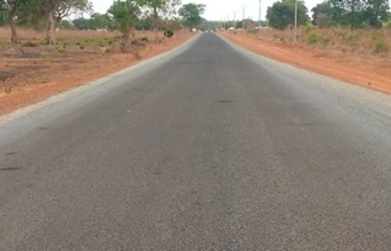
Residents across The Gambia have voiced concerns regarding the tangible economic benefits of recent infrastructure investments. Many question whether these projects are genuinely improving livelihoods despite significant government spending in various regions. This public sentiment reflects a growing skepticism about the direct impact of these developments on daily economic realities for citizens. Residents in several parts of The Gambia have raised concerns about whether recent infrastructure investments are translating into improved livelihoods for the populace. Concerns have been particularly noted in areas such as the North Bank Region and the Central River Region, where communities report ongoing struggles despite new infrastructure. The widespread nature of these concerns notes a critical examination of development priorities and their effectiveness on the ground.
Electricity Woes Hamper Businesses
Unstable power supply continues to undermine business efforts in regions like the North Bank, despite initial hopes following the introduction of electricity. The erratic nature of the power grid poses significant challenges for small and medium-sized enterprises, hindering their growth and sustainability. Ida Secka, a widow and small-scale trader in Medina Serigne Mass, expressed her profound disappointment, stating, "When electricity came, many of us thought our lives and businesses would improve. People bought refrigerators and other equipment hoping to earn a living." Secka purchased a refrigerator for D25,000 specifically for her business, an investment she has yet to recover due to the unreliable power. "I bought a refrigerator for D25,000 for business purposes, but I have not recovered my investment," she explained, detailing the financial strain caused by the inconsistent service. Secka further elaborated that the inconsistent electricity supply prevents local entrepreneurs from operating their businesses effectively, leading to spoilage of goods and lost income opportunities. This situation illustrates a broader challenge where foundational infrastructure, though present, fails to deliver the expected economic uplift due to operational deficiencies.
Farming Costs and Income Gaps
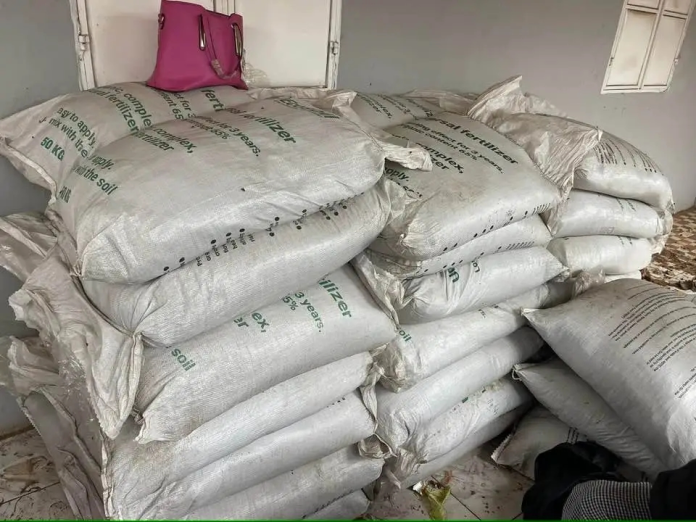
Farmers in the Central River Region are seeking support for agricultural inputs, noting the persistent challenges in the agricultural sector. Bubacarr Ngum, a farmer in Mamud-Fana Village, stated that farmers require affordable fertilizer and other agricultural inputs to enhance their productivity. He emphasized the direct link between input costs and the ability of farmers to yield sufficient crops. "If farmers are struggling to grow enough food, it becomes difficult to fully benefit from other developments," Ngum explained, showing that agricultural prosperity is a prerequisite for broader economic improvement. The Government has maintained the price of fertilizer at D1,100, the same as the previous year, a decision that farmers hope will help manage their operational costs. Meanwhile, women in some border communities have reported challenges linked to the absence of community gardens, indicating a significant gap in agricultural support for these particular groups. These issues persist despite broader infrastructure investments in the region, suggesting that targeted agricultural interventions are still critically needed.
Voices from the Ground
Marr Nyang, founder and executive director of Gambia Participates, emphasized the importance of a consistent power supply for economic progress, particularly for various sectors. "Electricity is critical for businesses, health facilities and households. Without a stable supply, economic activities are affected," Nyang stated, noting the broader impact of power instability beyond individual homes and enterprises. Nyang's statement shows the direct link between reliable infrastructure and overall economic vitality, advocating for more strong and dependable utility services.
In Kusamai Village, resident Arafang Sanneh noted the struggles faced by many during seasonal changes, particularly concerning employment. Sanneh observed that many young people and families encounter difficulties during the dry season due to a scarcity of income-generating opportunities. This seasonal unemployment exacerbates economic hardship, even in areas with improved infrastructure. "Roads and electricity are important, but people also need opportunities to earn a living. Agriculture remains the backbone of many rural communities," Sanneh said, articulating the need for a holistic approach to development. His comment points to the necessity for initiatives that directly support livelihoods, particularly in agricultural sectors and other income-generating activities, even as foundational infrastructure like roads and electricity develops. This notes the importance of complementing infrastructure projects with direct economic empowerment programs.