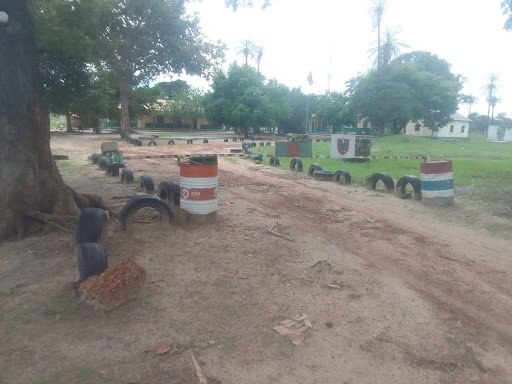
Gambian soldiers at the Darsilami Military Post were placed on high alert following viral rumors that Senegalese Armed Forces planned to dismantle the post. The concerns arose after reports of the Senegalese military demolishing part of a perimeter fence at the Bullock Military Border Post circulated. The rumor gained traction from a Facebook post by Lamin Tamba, which quickly went viral. This social media dissemination amplified the unverified information, contributing to widespread anxiety among both military personnel and local residents. The rapid spread of the rumor showed the porous nature of information sharing in border communities, especially in the absence of official communications.
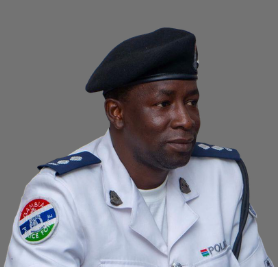
A Gambian soldier, speaking anonymously, stated that the Senegalese Military intended to dismantle the Darsilami post entirely. The soldier claimed this action was planned for the early hours of Monday morning, leading to heightened vigilance among the Gambian troops. "They planned to do this in the early hours of Monday morning, so all of us were placed on high alert waiting to see what would happen," the soldier said. This specific threat of dismantling the Darsilami post and having it removed for good fueled the urgency of the situation, prompting an immediate and full response from the stationed soldiers. Residents of Darsilami were also informed of the rumors and remained watchful of the situation, reflecting the deep integration of military and civilian life in these border areas. The community’s awareness further noted the potential for localized incidents to impact the broader population.
Soldiers' Vigil and Unconfirmed Threat
A Gambian soldier stated that the information received by the troops prompted them to remain alert. The soldiers did not ignore the information, despite its status as a rumor. This proactive stance demonstrated the seriousness with which potential threats are treated in border regions, even when originating from unofficial channels. Consequently, the soldiers were on standby throughout the night, with none of the personnel sleeping. This continuous vigil was deemed necessary to monitor any movements or activities that might corroborate the circulating rumors. The soldier noted that the Darsilami post is not properly equipped for such prolonged vigilance, lacking adequate facilities to support an extended state of alert. This deficiency posed additional challenges for the troops, who had to maintain their readiness under less-than-ideal conditions. Despite the logistical challenges, the soldier maintained communication with superiors throughout the night, providing continuous updates on the situation, ensuring that command was kept informed of developments on the ground.
Reports indicated an agreement to withdraw armed personnel from the buffer zone, allowing joint commanders to manage the area. This measure aims to de-escalate tensions and provide a structured approach to border management. The establishment of a demilitarized buffer zone and the involvement of joint command structures are often key components in managing cross-border disputes, seeking to prevent direct confrontations between forces. However, the specific details of this agreement and its implementation were not immediately clear in the context of the Darsilami rumors. As of press time, neither Gambian nor Senegalese authorities had issued an official statement regarding the circulating rumors about the Darsilami Military Post or the alleged demolition at the Bullock Military Border Post. This silence from official channels contributed significantly to the uncertainty surrounding the situation, leaving local communities and military personnel reliant on informal channels for information, which often exacerbates anxiety and the spread of unverified claims. The absence of a clear governmental response left a vacuum that was quickly filled by speculation and fear within the affected communities.
Roots of Border Dispute
The Darsilami border issue is connected to a long-standing disagreement between The Gambia and Senegal regarding the precise location of their boundary within the Tranquil area. This historical dispute has contributed to recurrent tensions in the region, stemming from ambiguities in colonial-era demarcations and subsequent interpretations. The exact delineation of the border has been a persistent point of contention, impacting land use, resource access, and security arrangements for decades. Efforts to resolve the demarcation challenges have spanned several years and involved various bilateral engagements, noting the complexity and sensitivity of the issue. The lack of a definitive, mutually agreed-upon border line has been a persistent source of friction, impacting local communities and border security operations, making them vulnerable to localized incidents and misunderstandings.
Between 2011 and 2015, delegations from both countries conducted inspections of the Tranquil area. These joint visits aimed to assess the terrain and gather data necessary for the demarcation process, involving technical experts and officials from both sides. Despite these efforts, the full demarcation process was not completed during this period, leaving the critical task unfinished. The inability to finalize the boundary survey left the exact delineation of the border ambiguous, setting the stage for subsequent developments and localized disputes, as both nations continued to operate based on their respective interpretations of the boundary. This incomplete process meant that any actions taken near the perceived border could easily be viewed as encroachment by the other party.
In late 2015, Senegal deployed machinery to the disputed area. These operations involved clearing parts of the land, and Senegalese authorities subsequently established infrastructure within these cleared sections. This action marked a significant development in the ongoing border dispute, as it involved physical alterations to the contested territory, effectively creating facts on the ground. The establishment of infrastructure by one party in a disputed zone often leads to increased tensions and claims from the other side, as it can be perceived as an assertion of sovereignty over contested land. Such unilateral actions invariably complicate diplomatic efforts to resolve the underlying boundary issues.
In 2020, residents in the border communities vocalized concerns over the construction of permanent structures and checkpoints by Senegalese authorities. These new installations were seen as an encroachment on territory claimed by The Gambia, further exacerbating local anxieties and prompting calls for intervention from Gambian authorities. The presence of these permanent structures altered the perceived status quo and showed the unresolved nature of the boundary, making the abstract concept of a border dispute a tangible reality for those living along it. Community members frequently serve as early indicators of shifts in border dynamics, often being the first to observe and report changes in territorial control or infrastructure development. Their concerns are vital for understanding the human impact of these disputes.
In late 2023, defence officials from both The Gambia and Senegal convened at Darsilami to directly address the concerns surrounding the border. This high-level meeting represented an attempt to de-escalate tensions and find a diplomatic path forward amidst mounting local grievances. Such official engagements are critical for managing cross-border issues and preventing localized incidents from escalating into broader diplomatic challenges, providing a forum for direct dialogue and problem-solving. During this meeting, they agreed to withdraw armed personnel from the buffer zone and allow joint commanders to manage the area, a significant step towards reducing direct military presence in sensitive areas. This agreement aimed to create a more neutral environment conducive to further discussions and resolution.
The Joint Senegalo-Gambia Border Commission subsequently visited the area to develop a roadmap. The commission's objective was to outline a plan for the permanent mapping and placement of boundary pillars, which would physically mark the agreed-upon border. This initiative aims to provide a lasting solution to the long-standing border dispute by establishing clear, physical markers, thereby eliminating ambiguities that have historically fueled disputes. A definitive demarcation is considered essential for reducing ambiguities and preventing future conflicts over territorial claims between the two nations, offering a concrete and visible resolution to an enduring challenge.
Community and Official Response
Omar Badjie, a resident of Darsilami, reported that many villagers became concerned after hearing the rumors about the Senegalese Armed Forces' intentions. The uncertainty led to a night of vigilance for some community members, who feared potential conflict or displacement. "Some of us did not sleep the entire night; we were just waiting to see what would happen," Badjie stated, illustrating the widespread anxiety that gripped the village. He added that the situation eventually calmed. "But thank God, nothing happened. This morning when I woke up, I told my wife I wanted to go to the farm. She initially insisted that I stay home, but I managed to convince her that I would not be long and would return quickly." Badjie also noted his limited ability to gather information as a civilian, observing, "I was watching to see what was going on, but as a civilian, I could not gather much information," noting the reliance of residents on official communication or military updates during such tense periods.
Amie Sanneh, another Darsilami resident, also heard the rumors but indicated a different reaction. "I also heard the rumor, but I did not panic because I knew any issue would be contained at the military post; as civilians, we have nothing to do with this," Sanneh explained, expressing a degree of trust in the military's ability to manage the situation. She emphasized the importance of a clear border demarcation to prevent future uncertainties, stating that both countries should complete the process. Sanneh voiced a primary concern among the civilian population regarding potential collateral damage from any conflict. "Our only worry was that we might not be able to access our farms safely, because bullets know no boundaries," she said, articulating the very real fears of those whose livelihoods and safety are directly tied to the stability of the border region. The completion of the demarcation process is seen by residents like Sanneh as the most effective way to ensure long-term peace and security, allowing them to carry out their daily lives without the constant threat of border disputes. The lack of official statements from either Gambian or Senegalese authorities only served to amplify these anxieties, leaving communities to grapple with unconfirmed reports and their own interpretations of events.