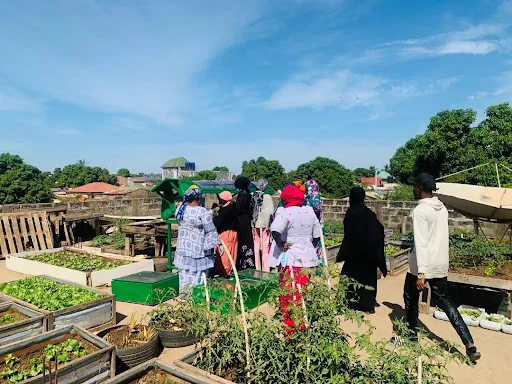
Gambian vegetable gardener Alagie Ndow noted the severe impact of inadequate storage facilities and persistent electricity challenges on farmers and the agricultural sector during an interview with Foroyaa on Saturday. Ndow expressed significant concern over the lack of proper storage facilities available to gardeners and small-scale farmers. He stated that a major challenge for gardeners and small-scale farmers in The Gambia is the absence of sufficient storage and preservation infrastructure for perishable agricultural products. The country's ongoing electricity issues exacerbate the problem, hindering farmers, traders, and vendors from preserving their produce effectively. Ndow also cited persistent electricity challenges in the country as a critical factor worsening the situation.
"Many farmers produce vegetables, fruits and other fresh produce that require refrigeration or proper storage to maintain quality and extend shelf life," Ndow said, adding, "The situation is particularly difficult for small-scale gardeners who lack access to cold storage facilities and depend on regular water and electricity supplies for their operations." Substantial quantities of vegetables and fruits are lost before reaching consumers, causing financial losses for both farmers and market vendors. Ndow showed that one of the major challenges confronting gardeners and small-scale farmers in The Gambia is the absence of adequate storage and preservation facilities for agricultural products that spoil quickly. He further elaborated that the country's ongoing electricity challenges have further worsened the situation, making it difficult for farmers, traders, and vendors to preserve their produce. "This affects not only farmers but also middlemen, market women and others involved in the agricultural value chain," Ndow concluded.
The Storage and Power Crisis
Many farmers in The Gambia cultivate vegetables, fruits, and other fresh produce that necessitate refrigeration or proper storage to maintain quality and extend shelf life, according to Gambian vegetable gardener Alagie Ndow. Ndow stated that the situation proves particularly challenging for small-scale gardeners who lack access to cold storage facilities and rely on consistent water and electricity supplies for their operations. These difficulties, coupled with rising transportation costs, contribute to the broader economic burden of moving produce from farms to markets across the country. The challenges facing vegetable gardeners are not isolated; they are compounded by these increased logistical expenses.
The impact extends beyond the primary producers. Ndow emphasized that these issues affect not only farmers but also middlemen, market women, and other participants in the agricultural value chain. The absence of adequate storage and reliable power infrastructure leads to significant post-harvest losses, creating financial strain at multiple points within the supply system. This persistent challenge hinders efforts to efficiently deliver fresh produce to consumers and secure livelihoods for those involved in its cultivation and distribution. The cumulative effect of these problems creates an environment where the potential for agricultural growth is severely limited, impacting the entire economy.
Impact on Livelihoods and Nutrition
Gardening is emerging as a key income source for numerous families in The Gambia, simultaneously enhancing household nutrition. The development of this sector is seen as vital for the well-being of communities. Ndow noted that gardening is becoming an important source of income for many families and significantly contributes to household nutrition. Interventions aimed at improving post-harvest management, such as enhanced storage and reliable power, would significantly reduce current losses. Such improvements are projected to bolster incomes for farmers and other participants in the agricultural value chain. Strengthening livelihoods across the agricultural sector is a key outcome anticipated from these interventions. These measures would not only secure the financial stability of farming communities but also ensure a more consistent supply of nutritious food for Gambian households. The current challenges in storage and power directly undermine these potential benefits, contributing to food insecurity and economic instability within rural areas. The economic difficulties confronting vegetable gardeners, in combination with rising transportation costs, have added to the broader financial strain of moving fresh produce from farms to various markets throughout the country.
Ndow's Proposed Solutions
Gambian vegetable gardener Alagie Ndow stressed the urgent need for full interventions to mitigate post-harvest losses and support the agricultural sector. Ndow emphasized the necessity of strengthening cold storage infrastructure across the country, which he identifies as critical for preserving perishable produce. He also noted the importance of improving access to reliable electricity and water supplies for farmers, noting that inconsistent utilities severely hinder preservation efforts and daily operations. Ndow stressed the need to strengthen cold storage infrastructure, improve access to reliable electricity and water supplies, and support farmers with affordable preservation technologies.
Beyond infrastructure, Ndow advocated for supporting farmers through the provision of affordable preservation technologies. These technologies would enable small-scale gardeners and other producers to extend the shelf life of their crops, reducing spoilage and increasing market access. According to Ndow, addressing these issues comprehensively would not only boost farmers' incomes but also enhance food security for consumers in The Gambia. He indicated that such measures are vital for the economic viability of the agricultural value chain and the overall well-being of farming communities. Ndow concluded that such interventions would significantly reduce post-harvest losses, improve incomes, and strengthen livelihoods across the agricultural sector, fostering greater resilience and prosperity for farming communities.