The Senegalese Parliament recently adopted a constitutional revision aimed at introducing significant governance reforms in Senegal. This development comes as observers in The Gambia continue to grapple with persistent challenges, including reports of disunity that have caused suffering among the population. The article also raises questions regarding the origins of President Adama Barrow's reported overnight wealth, a matter that has drawn considerable public scrutiny.
Senegal's New Governance Framework
The reforms enacted in Senegal are designed to strengthen transparency, accountability, and the rule of law within the country. These significant governance reforms, welcomed by the Senegalese Parliament, represent a concerted effort to modernize state institutions and enhance public trust. A key change under the new Senegalese law prevents the President of the Republic from simultaneously serving as the leader of a political party while in office. This measure aims to separate the executive head of state from direct partisan leadership, fostering a more neutral and unifying presidency. The intent is to ensure that the highest office in the land operates above the fray of day-to-day party politics, focusing instead on national interests.
Further provisions in the new Senegalese legal framework restrict an outgoing president who is not seeking re-election from signing long-term agreements or contracts. Such agreements are barred if they could bind the State or compromise its interests after the president leaves office. This particular reform is designed to prevent eleventh-hour decisions that might saddle a future administration with unfavorable obligations or undermine long-term national planning. It aims to safeguard the country's sovereignty and financial stability against potential abuses of power during a transitional period.
Another key aspect of Senegal's new governance framework is the requirement for government ministers. Under the new Senegalese law, government ministers are prohibited from simultaneously serving as mayors or presidents of departmental councils. This provision seeks to eliminate potential conflicts of interest and ensure that ministers dedicate their full attention to their national duties, rather than dividing their loyalties or resources between national and local responsibilities. To enhance transparency and accountability at the highest level, the new Senegalese law mandates that the President must declare their assets upon taking office and again before leaving office. This measure provides a clear record of presidential finances, helping to deter corruption and build public confidence in the integrity of the office.
The country's current debt burden is attributed to Macky Sall's borrowing practices. Observers claim that his administration's borrowing was careless, contributing to the financial strain now faced by Senegal. This situation shows the importance of the new legal provisions designed to prevent outgoing presidents from entering into long-term financial commitments that could compromise the nation's future. The reforms are, in part, a response to these past financial challenges, seeking to establish a more responsible and transparent approach to national debt and resource management.
Gambia's Governance Deficits
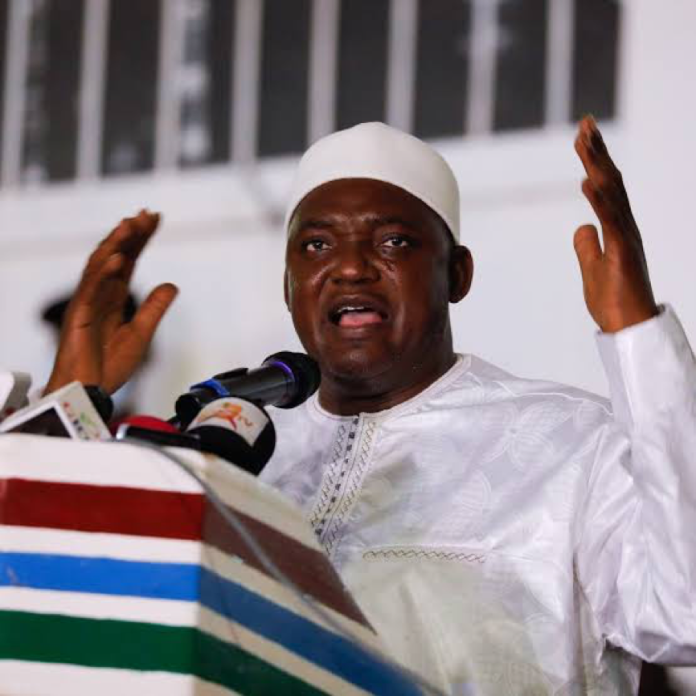
In contrast to Senegal's proactive reforms, the administration of President Adama Barrow in The Gambia has been described as "exhausting." This characterization points to a perceived lack of clear direction and efficiency in governance. Gambian cabinet ministers have reportedly misused their official positions by attending political functions that fall entirely outside their defined job descriptions. This practice blurs the lines between public service and partisan politicking, raising concerns about the proper allocation of ministerial time and resources. Such actions can erode public trust and divert focus from the pressing developmental needs of the country.
Additionally, Gambian politicians are characterized as being preoccupied with visiting marabouts, engaging in online tactics to lure voters, and contributing to divisions among the citizenry. These activities suggest a political landscape where personal gain and divisive strategies sometimes overshadow genuine public service. The focus on such tactics, rather than substantive policy debates and inclusive governance, is seen as detrimental to national unity and progress. Concerns have also been raised regarding the effectiveness of oversight bodies within the country. The article suggests that every commission established under the Barrow administration has ultimately failed, indicating a persistent challenge in addressing governance issues and accountability. This record of failed commissions notes a systemic weakness in holding public officials accountable and ensuring that investigations lead to meaningful reforms or consequences. The disunity reported within The Gambia has, according to observers, caused suffering among the population, further showing the urgent need for better governance and leadership that prioritizes national cohesion. The article also pointedly questions how President Barrow became wealthy overnight, a query that resonates with public concerns about transparency and illicit enrichment within the government.
Applying Reforms to The Gambia
Proposed reforms for The Gambia draw inspiration from Senegal's new governance framework, suggesting that any elected president should relinquish party leadership. This measure could be enshrined as a constitutional provision, requiring an elected president to step down from partisan leadership roles upon assuming the highest office. The rationale behind this is to ensure that the president serves as a unifying national figure, rather than primarily as a party leader, thereby fostering a more inclusive and less divisive political environment.
Another proposed law for The Gambia aims to prohibit ministers from simultaneously serving as mayors or presidents of departmental councils, mirroring a provision in the new Senegalese law. Under Senegal's new legislation, government ministers are barred from holding such dual positions, a practice that The Gambia could adopt to prevent conflicts of interest and ensure full dedication to ministerial duties. This reform would ensure that public servants are fully focused on their assigned roles, without the distractions or potential ethical dilemmas posed by holding multiple high-level positions.
The Constitution of The Gambia could be reformed to prevent an outgoing president who is not seeking re-election from signing long-term agreements or contracts. Such a prohibition would apply to agreements that could bind the State or compromise its interests after the president's departure. This is a critical safeguard against potential last-minute decisions that could burden future administrations or undermine national assets. The new Senegalese law also mandates that the President must declare their assets upon taking office and again before leaving office, a practice that could be considered for Gambian governance to enhance transparency. Implementing such a declaration requirement would be a significant step towards combating corruption and ensuring public accountability for elected officials. These proposed reforms are intended to modernize state institutions, consolidate democracy, and promote exemplary governance in service of the Gambian people.
Conclusion and Future Outlook
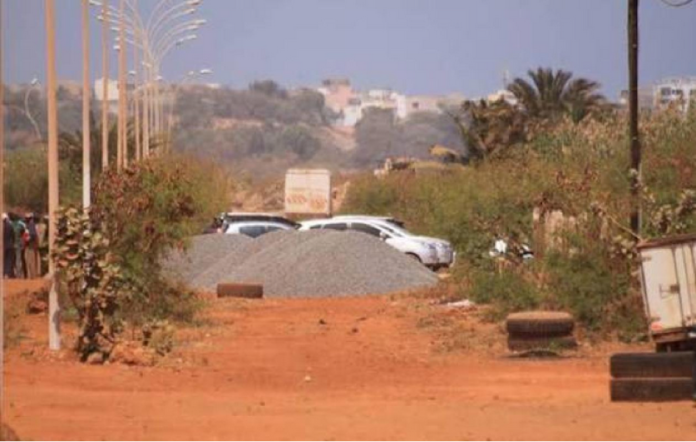
Despite existing governance challenges, President Adama Barrow has overseen certain positive developments in The Gambia, including improvements to the country's road infrastructure. These infrastructure projects, such as the construction of good roads, represent tangible progress that benefits the populace. However, the broader governance landscape still presents significant hurdles. The proposed reforms, drawing lessons from Senegal's recent constitutional revisions, offer a pathway to address these systemic issues. By adopting measures that enhance transparency, accountability, and the rule of law, The Gambia can work towards a more stable and prosperous future. The objective of these proposed reforms is to modernize state institutions, consolidate democracy, and promote exemplary governance, ultimately serving the Gambian people by creating a more responsive, responsible, and effective government. The journey towards improved governance is complex, but by learning from regional examples and committing to structural changes, The Gambia can aspire to overcome its current deficits and build a stronger democratic foundation.