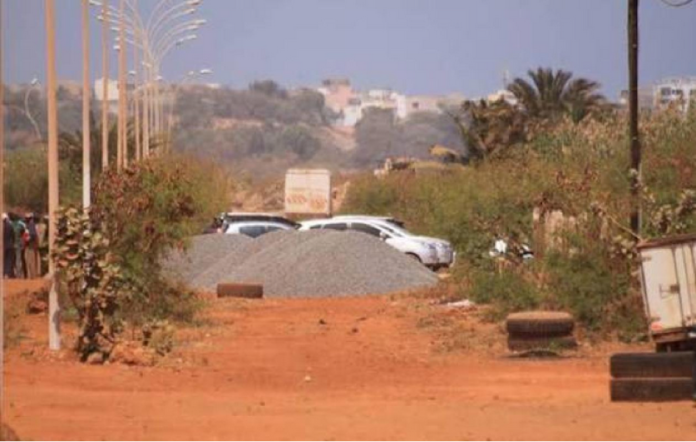
Ouakam, Senegal – The Ouakam court has ruled that disputed land belongs to the state, not to the father of I Dione and his brother, following a recent court appearance. I Dione attended the proceedings, while his brother, a former soldier, was absent. The court determined that their father did not possess a lease for the land in question, central to the ongoing dispute. This significant ruling clarifies the ownership of a plot that has been the subject of contention for some time, establishing the legal status of the property decisively. The proceedings saw only I Dione present to represent the family's interests, with his brother's absence noted by the court.
Legal Arguments Presented
During the court session, the prosecutor presented several key arguments regarding the charges against the defendants. The prosecutor requested that the court acquit the two defendants, I Dione and his brother, on the charge of endangering the lives of others, indicating a lack of sufficient evidence or legal basis for this specific accusation. However, the prosecution's stance shifted when addressing other aspects of the case. During the proceedings, the prosecutor argued for the conviction of I Dione and his brother for building without administrative authorization. This charge centers on the construction activities undertaken on the disputed land without the necessary official permits from the relevant authorities. The state's legal representative further sought a fine of 100,000 CFA francs for each of the defendants in connection with the unauthorized construction. This monetary penalty was proposed as a consequence of their alleged failure to comply with building regulations, showing the legal ramifications of constructing structures without proper administrative consent. The prosecutor's dual approach — seeking acquittal on one charge while pushing for conviction and financial penalties on another — noted the multifaceted nature of the legal battle.
Court's Reasoning and Claims
The Ouakam court determined that the disputed plot of land had never belonged to the father of I Dione and his brother, a finding central to its judgment. This conclusion directly refutes the family's claims of inheritance or long-standing possession. The court's decision was based on the absence of a registered lease or any official documentation proving the father's ownership or legal right to occupy the property. This critical lack of legal title underpinned the ruling that the land is state-owned rather than private property. The court's deliberation focused meticulously on the presented evidence regarding land tenure and the legal status of the property in question within Ouakam. The court emphasized that without a valid lease or any other recognized legal instrument, the father's claim to the land could not be substantiated under Senegalese law. The ruling clarifies the ownership status, rejecting claims of private inheritance or possession and firmly establishing that the space being fought over belongs to the State of Senegal. This determination is a key element of the court's judgment, providing a definitive answer to the core question of property ownership.
Verdict and Next Steps
The Ouakam court declared that the contested land belongs to the State of Senegal, invalidating claims of private ownership. This determination follows the court's finding that no lease or official documentation supported the father's claim to the property. The ruling solidifies the state's ownership of the plot, clarifying its legal status and settling a long-standing dispute over the property. This decision has significant implications for both the defendants and the state, as it confirms the state's proprietary rights over the land. A final verdict in the case, which will address the implications of this ownership determination and any outstanding charges, is scheduled to be delivered on July 8. This upcoming verdict is expected to provide full closure to the legal proceedings, outlining any further penalties or resolutions for I Dione and his brother in light of the court's definitive ruling on land ownership.