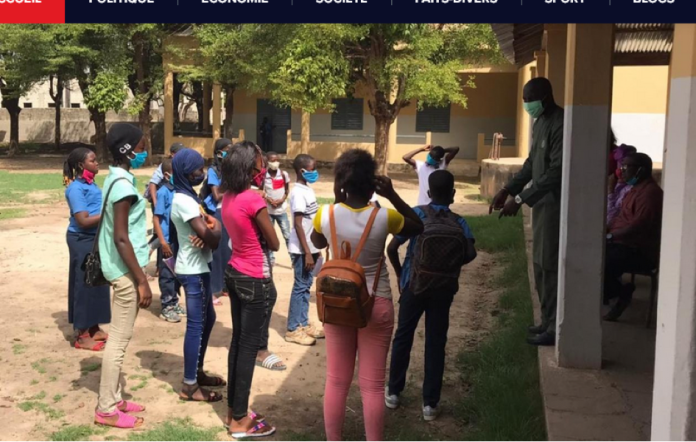
The 2026 Baccalaureate exams in the Tivaouane department have generally commenced without major disruptions, despite an incident involving a student. A candidate experienced a fainting spell during the ongoing examinations, prompting a brief pause in her test. Following the brief health incident, the student quickly recovered and successfully resumed her exams, demonstrating resilience under pressure. This isolated event, while swiftly managed, has brought to light concerns regarding the immediate availability of emergency services at examination centers, particularly in high-stakes environments where student well-being is critical.
Exams Underway Smoothly
The Baccalaureate exams are proceeding smoothly across the Tivaouane district, involving a significant number of participants. This year, 5,424 candidates are taking the exams, with a notable majority of 3,261 being girls, noting the substantial female participation in the academic assessment. The deputy prefect, Mamadou Thiam, confirmed the overall smooth running of the examinations despite the isolated incident of a student fainting. He indicated that the examination centers have maintained order and organization, allowing students to focus on their tests without widespread interruptions. The substantial number of candidates notes the scale of the logistical operation involved in administering the exams throughout the district, requiring careful planning and coordination. Authorities continue to monitor the situation closely to ensure a conducive and fair environment for all participants throughout the examination period, ensuring that the integrity of the process is maintained.
Incident and Administration Concerns
A candidate at the new high school in Tivaouane experienced a stress-related fainting spell during the Baccalaureate exams, showing the high-stakes nature of these assessments. Following the incident, the school's administration voiced concerns regarding the absence of readily available emergency services on site. They expressed regret that neither firefighters nor Red Cross personnel were present at the center during the medical episode, noting a potential gap in immediate emergency response capabilities for the thousands of students taking part in the key examinations. This situation showed the desire for readily available medical and safety support for candidates, especially during high-stakes examinations where stress levels can be elevated. The administration's concern reflects a broader call for enhanced safety protocols to ensure that all students have immediate access to necessary medical assistance should such incidents occur again. Fortunately, the incident did not cause a prolonged disruption, as the candidate quickly recovered and was able to continue her exams, completing her tests as planned. However, it prompted a review of the on-site emergency provisions and the protocols for handling such occurrences in the future, aiming to enhance safety measures for all students.
Exam Logistics and Candidate Numbers
Candidates for the Baccalaureate exams are distributed across a total of 17 centers and 20 examination boards within the Tivaouane department. This extensive logistical arrangement is key for facilitating the administration of tests for the thousands of students participating simultaneously, ensuring equitable access and management of the examination process. Despite the overall organization and the smooth flow reported by authorities, approximately twenty absences were recorded across the three primary examination centers that were visited by officials. These absences, while a small percentage, indicate that despite the best planning, some students were unable to attend the exams for reasons yet to be fully detailed. The specific reasons for these absences were not immediately detailed, but the number represents a relatively small fraction of the total candidate pool, indicating high attendance rates overall. The detailed distribution of candidates across numerous centers and boards shows the significant scale and complexity of the annual examination process in the region, a vital rite of passage for many students.