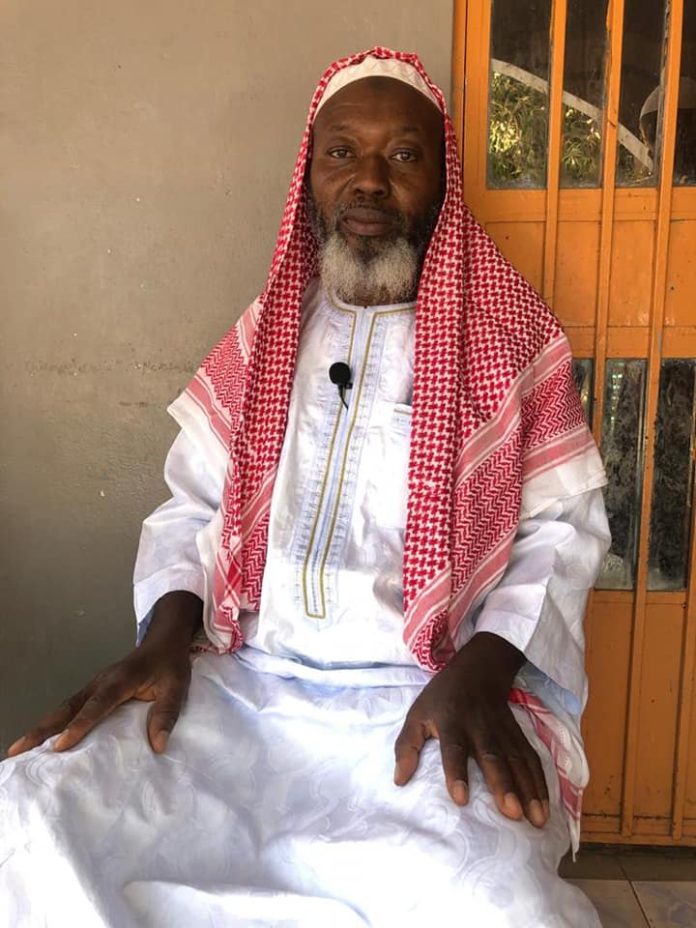
Imam Abdoulie Fatty called for unity within The Gambia's Muslim community, urging Rawdal Majalis and other Islamic groups to cease challenging the authority of the Supreme Islamic Council. His remarks were made last week during a significant congress held at the Council's office in Kanifing. Imam Fatty emphasized the importance of respecting the established religious leadership to maintain cohesion among various Islamic organizations, stressing that a unified front is key for the spiritual well-being and orderly functioning of the Muslim community. He noted that such respect for authority would prevent fragmentation and ensure a consistent approach to religious matters across the nation.
Call for Internal Harmony
Imam Abdoulie Fatty specifically called for Rawdal Majalis and other Islamic groups to work together to promote unity among Muslims across The Gambia. He underlined that collaborative efforts are essential for fostering a harmonious environment and addressing the needs of the community effectively. Fatty expressed concern regarding public statements on religious matters, specifically citing issues such as moon sighting and fasting, which have historically caused divisions. He advocated for consultation and a common understanding among Islamic leaders to resolve such matters, emphasizing that internal dialogue is critical before public declarations are made. Fatty showed the importance of a unified approach to prevent discord within the Muslim community, asserting that disagreements should be resolved internally rather than in the public sphere, which can lead to confusion and disunity among followers.
Context of Remarks
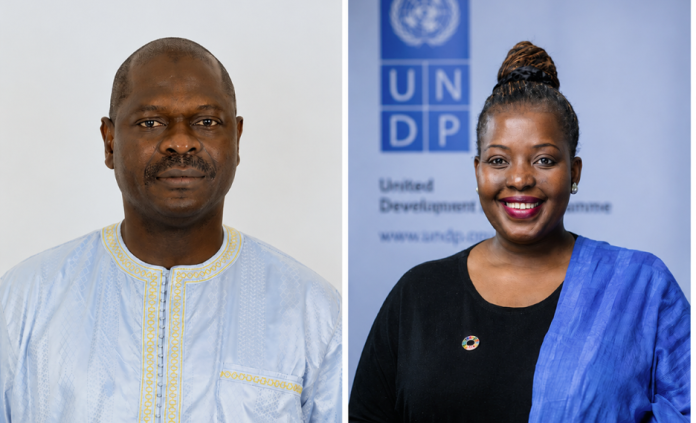
Imam Fatty delivered these remarks at the 6th National Congress of the Gambia Supreme Islamic Council (GSIC) 2026, an event designed to reinforce the Council's mandate and foster collaboration among Islamic entities. The congress, a key gathering for the country's Muslim leadership, also saw attendance from various development partners, including the Chief Executive of the QGroup and Unicef’s country representative, signifying the broader importance of the Council's role in national development. Their presence showed the recognition of religious institutions as key stakeholders in societal progress and well-being. Fatty specifically addressed disagreements over religious declarations, stating, "The Council members cannot go over the radio to announce about the moon sighting, while the Majalis tells people not to fast. They are our relatives and teachers and they could come to us and we work together as one." His comments emphasized the need for collaborative decision-making to prevent public confusion and disunity, advocating for a system where religious rulings are harmonized through mutual consultation and respect.
Government Perspective
Ebrima Sisawo, the Permanent Secretary at the Ministry of Lands, Regional Government, and Religious Affairs, emphasized the critical role of institutions in national development. Sisawo noted that such bodies are instrumental in shaping individual character and reinforcing the moral foundations of society. He stated that these institutions provide a framework for ethical conduct and community cohesion, which are essential for progress. His remarks showed the government's recognition of religious and community organizations as key partners in fostering a responsible and unified citizenry, capable of contributing positively to the nation’s growth. Sisawo reiterated the government's commitment to supporting institutions that promote peace, understanding, and development within the country.
Fatty's Specific Concerns
Imam Abdoulie Fatty clarified that while Islamic groups are free to organize into various associations, their operations should not impinge upon the designated responsibilities of the Supreme Islamic Council. He emphasized that the Council holds specific duties within the Muslim community that other groups must respect, particularly concerning matters of national religious guidance and pronouncements. Fatty's statement underlined the distinction between independent organizational activities and the central authority vested in the Supreme Islamic Council, which serves as the overarching religious body. He stressed that respecting these boundaries is key for maintaining order and preventing discord among Islamic entities, ensuring that the community receives consistent and authoritative guidance. The Imam reiterated his call for all groups to align their efforts with the Council's overarching mandate, promoting a unified and cohesive approach to Islamic affairs in The Gambia.