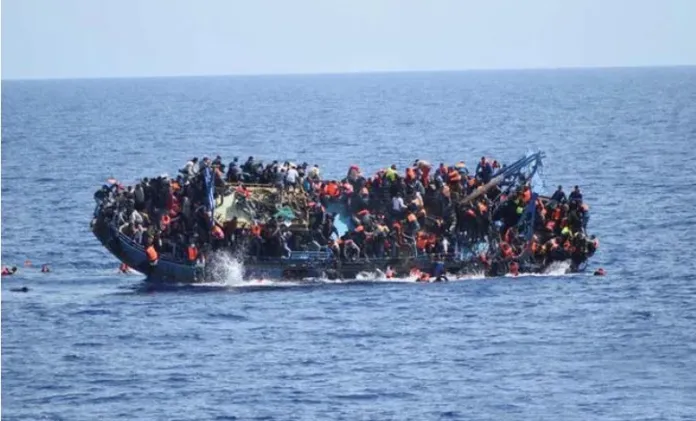
At least 234 West African migrants, including Gambians, are feared dead after their boat developed engine failure and drifted for more than two weeks before being intercepted in Mauritania. The vessel, which is believed to have departed Bafuloto with approximately 270 migrants on June 28, spent approximately 19 days at sea, leaving its passengers without food or water. The harrowing journey turned deadly as the engine failure left the vessel adrift in the vast Atlantic Ocean. Ebrima Drammeh, a local contact, confirmed the dire conditions aboard, stating, "The boat spent about 19 days floating in the sea after its engine failed and the passengers subsequently ran out of food and water, with many starving." Many aboard reportedly succumbed to starvation and dehydration during the prolonged ordeal, noting the extreme vulnerability of those undertaking such voyages.
Survivors and Losses
Coast guards in Mauritania located the vessel last Friday, finding only 38 individuals aboard, a group that included women and minors. The discovery brought a glimmer of hope amidst the tragedy, yet the stark difference between the estimated departure number and the number of survivors showed the immense loss of life. Among the survivors, eight were identified as Gambian nationals, while the remaining 28 individuals were Senegalese. Despite their rescue and immediate medical attention, two of the survivors succumbed shortly thereafter due to their severely weakened state. One of the deceased was identified as Sulayman Jallow, a Gambian from Brikamaba in the Central River Region (CRR), adding a specific face to the tragic statistics. The survivors were reportedly in critical condition, suffering from severe dehydration and malnutrition, a testament to the brutal conditions they endured at sea.
The Perilous Journey
The vessel is believed to have departed Bafuloto with approximately 270 migrants on June 28, embarking on what was intended to be a journey across the Atlantic. This route is increasingly utilized by migrants from West Africa seeking to reach Europe, often driven by hopes of better economic opportunities and a brighter future. These perilous voyages frequently involve overcrowded and unseaworthy vessels, which are ill-equipped for the vast distances and unpredictable conditions of the open ocean. Such conditions inevitably lead to high risks of engine failure and limited supplies, as tragically demonstrated in this incident. Migrants frequently embark on these journeys without adequate provisions, exacerbating the dangers they face as they contend with vast stretches of open water, extreme weather, and the constant threat of starvation and dehydration. The incident shows the extreme conditions faced by those attempting to reach European shores via maritime routes, with many succumbing to the harsh elements and lack of resources during their travels, often far from any potential rescue.
Calls for Action
The incident has been characterized as a "national crisis" that deserves urgent attention from authorities and the international community. This tragic loss of life has reignited calls for more strong measures to address irregular migration and protect vulnerable individuals. Separately, another boat carrying 180 migrants that departed from Banjul recently went missing for 19 days, raising further concerns about the safety and regulation of such journeys. The repeated occurrences of such disappearances and fatalities highlight a systemic crisis that demands immediate and full solutions.
Broader Context
The cumulative loss of hundreds of Gambian lives within a seven-month period represents a significant concern for the nation and its people. This incident adds to a troubling pattern of migrant fatalities from the region, painting a grim picture of the human cost of irregular migration. The high number of deaths emphasizes the severe risks associated with attempts to cross the Atlantic in search of better opportunities, often fueled by desperation and a lack of viable alternatives at home. The loss of hundreds of Gambian lives in just seven months should concern every one of us, prompting a serious re-evaluation of current strategies. Such tragedies highlight the urgent need for full solutions to address the underlying causes of irregular migration, including economic hardship and limited prospects, and to ensure the safety and dignity of those embarking on these dangerous journeys.