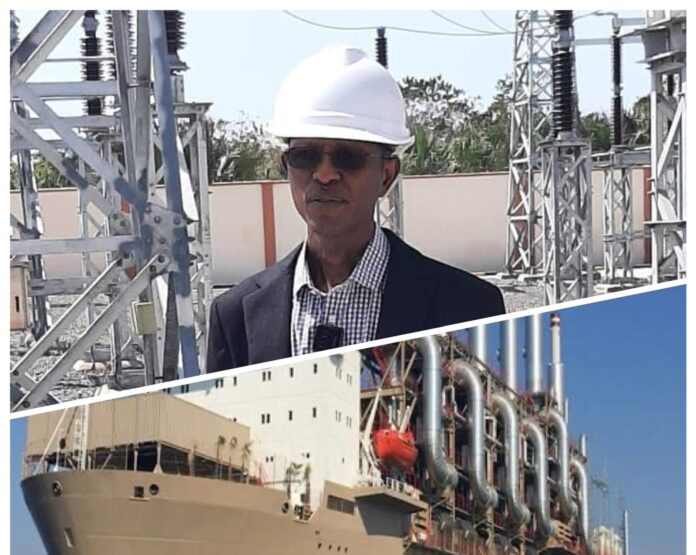
The Gambia's unreliable electricity supply is significantly hindering the nation's tourism sector, transforming a basic energy issue into a challenge for economic competitiveness. This assessment comes as stakeholders examine the broader implications of power instability on key industries. Indeed, the electricity challenge facing The Gambia has become a competitiveness problem, particularly for the tourism industry. Ambassador Abdoulie M Touray stated, "The electricity challenge facing The Gambia has become more than an energy problem. It is now a competitiveness problem, particularly for the tourism industry." This critical issue impacts the sector's ability to attract and retain visitors, ultimately affecting its contribution to the national economy. The consistent demand for power in hotels and resorts, combined with frequent outages, necessitates costly reliance on backup generators, impacting operational efficiency and profit margins across the sector. This reliance on alternative power sources drains resources that could otherwise be invested in growth and improvement.
Tourism's Energy Vulnerability
Hotels, restaurants, and various tourism businesses in The Gambia rely heavily on consistent electricity for essential services, including air-conditioning, refrigeration, water pumping, kitchen operations, laundry services, ICT systems, and overall guest comfort, Ambassador Abdoulie M Touray stated. This dependence shows the profound impact of power interruptions on daily operations and visitor experience. When the national grid experiences outages, these businesses are forced to activate backup generators, incurring expenses for fuel purchases and substantial maintenance costs, Ambassador Touray explained. These operational challenges significantly erode profitability. He noted that tourism enterprises generate the majority of their revenue during a specific, limited period each year, yet their financial commitments for electricity, maintenance, and financing persist throughout the entire year. This creates a disproportionate financial burden, as income is seasonal but utility costs are constant. While solar energy and battery storage systems offer a potential solution to reduce reliance on generators, their initial capital investment often proves prohibitive for many establishments, according to Ambassador Touray. He added that any dalasi saved by avoiding unnecessary generator fuel could be redirected towards critical investments such as renovations, expansions, staff training, and employment opportunities within the sector. Every dalasi saved from unnecessary generator fuel can instead support renovation, expansion, staff training, and employment, fostering sustainable growth and improving service quality.
A Coordinated Financing and Regulatory Framework
To address these challenges, a concerted effort is required. Government, Nawec, Pura, the ministries responsible for Energy, Tourism and Finance, GIEPA, commercial banks, and the Gambia Hotel Association should collaborate to establish a Tourism Green Energy Financing Facility, Ambassador Abdoulie M Touray stated. Such a facility could provide long-term concessional financing, partial government-backed guarantees, and structured repayment arrangements that allow hotels to finance solar and battery systems over several years. This would make the significant upfront costs of renewable energy solutions more manageable for tourism businesses. Ambassador Touray explained that this framework would alleviate the financial strain on individual establishments. He added that tax and import-duty incentives should also be considered for qualifying renewable-energy equipment, further encouraging adoption.
Another significant option is the Energy Service Company, or ESCO, model, where an investor finances, installs, and maintains the solar and battery system. This model removes the capital expenditure burden from hotels, allowing them to benefit from green energy without the initial financial outlay. Ambassador Abdoulie M Touray clarified that the objective should not be to disconnect hotels from Nawec, but rather for hotels to become energy partners. He noted that solar systems are capable of meeting daytime demand, while batteries can provide resilience during power outages, allowing Nawec to continue supplying electricity when necessary. This approach ensures a complementary relationship with the national grid, enhancing overall energy security.
Ambassador Touray also suggested that where technically feasible, appropriate net-metering or power-export arrangements should eventually allow businesses to supply surplus electricity to the national grid. This would create an additional revenue stream for hotels and contribute to the nation's energy supply. He emphasized that private sector renewable energy must complement, not substitute, a reliable national grid, ensuring a strong and diversified energy infrastructure.
Strengthening the National Grid and Future Vision
A diversified energy strategy is essential for The Gambia, requiring a blend of domestic solar generation, battery storage solutions, and electricity imports from regional partners. This full approach also calls for efficient conventional generation methods and strong transmission and distribution infrastructure. The Gambia needs a diversified energy mix combining domestic solar generation, battery storage, regional electricity imports, efficient conventional generation, and stronger transmission and distribution infrastructure to ensure long-term energy security and reliability. Ambassador Abdoulie M Touray outlined a practical starting point for this transition, suggesting a focused initiative. "The Roundtable should begin with perhaps 10–20 pilot hotels, and beachfront residential complexes to conduct energy audits, determine investment requirements and develop bankable financing structures capable of being scaled nationally," Ambassador Touray stated. This pilot phase would establish models for broader implementation, providing valuable data and proof of concept for the wider adoption of green energy solutions across the tourism sector and beyond. The Standard Newspaper, which publishes and prints information on such developments, is operated by XL Standard Co. Ltd. Located at Kairaba Avenue, Fajara. The Standard Newspaper is published and printed by XL Standard Co. Ltd. Located at Kairaba Avenue, Fajara, serving as a vital platform for disseminating information on these critical national initiatives.