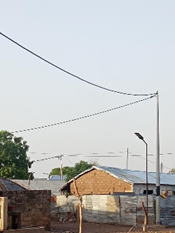
The Upper River Region (URR) is experiencing unreliable electricity supply despite the rollout of the Rural Electrification Project, which was widely welcomed as a transformative initiative intended to bridge the development gap between urban and rural communities. This ambitious project had sparked considerable optimism among residents and local businesses, who anticipated a significant improvement in their quality of life and economic prospects. However, current realities fall short of these expectations. Residents attribute the ongoing issues to a combination of technical faults, load shedding, and inadequate maintenance planning, factors that collectively undermine the stability of the power grid.
Disruptions Impact Daily Life and Economic Activity
The inconsistent power supply has had a profound and detrimental effect on various sectors, particularly impacting the local economy and the livelihoods of many. Traders in the Upper River Region (URR) who deal with frozen and other perishable goods are experiencing significant financial losses due to spoilage. This critical issue arises directly from the erratic and inconsistent electricity supply, which severely affects their ability to adequately preserve products that require constant refrigeration or cooling. The inability to maintain product integrity translates into direct financial hits for these small business owners, jeopardizing their sustainability.
Beyond retail, the manufacturing and service sectors are also feeling the pinch. Owners of grinding mills, welding workshops, and carpentry businesses have reported significant difficulties in meeting customer demands. These essential businesses rely heavily on a stable and continuous power supply for their operations, from powering machinery to operating tools. Frequent and unpredictable outages disrupt their production schedules, halt work in progress, and lead to considerable delays in service delivery. The unreliability of electricity directly impacts their capacity to operate efficiently, fulfill orders within expected timelines, and ultimately, to generate income and contribute to the local economy. The ripple effect extends to their customers, who face delays and inconvenience.
Healthcare Services Severely Affected
The impact of unreliable electricity extends critically into the healthcare sector, compromising essential medical services and potentially endangering public health. At Yorobawol Health Centre, for instance, patients requiring laboratory tests have reportedly been unable to access services due to repeated power failures. These inconsistencies in electricity supply have directly impacted the facility's operational capabilities, making it impossible to run diagnostic equipment or maintain necessary conditions for certain tests.
Health workers at the center have voiced serious concerns, stating that these outages can affect critical maternal healthcare services, which often require reliable power for monitoring equipment and emergency procedures. The reliable preservation of vaccines, which require strict temperature controls, is significantly compromised by unstable power, posing a substantial risk to public health initiatives designed to prevent the spread of diseases. The workers also noted that emergency referral processes could be negatively impacted by power interruptions, potentially delaying key medical interventions for patients in urgent need of transfer to better-equipped facilities. This situation shows the grave implications of an unstable power supply on the well-being of the region's population.
Residents Express Frustration and Disappointment
The current state of electricity supply stands in stark contrast to the initial optimism surrounding the project. President Adama Barrow officially inaugurated the Rural Electrification Project in Jah Kunda, Wuli West District, in February, marking what was hoped to be a new era for the region. Despite this high-profile launch, community leaders are now urgently calling on the National Water and Electricity Company (NAWEC) and the Ministry of Petroleum, Energy and Mines to address the persistent and growing challenges with the electricity supply. At the time of the inauguration, installation works were still in progress in several communities within the region, suggesting that the system was not fully strong from the outset.
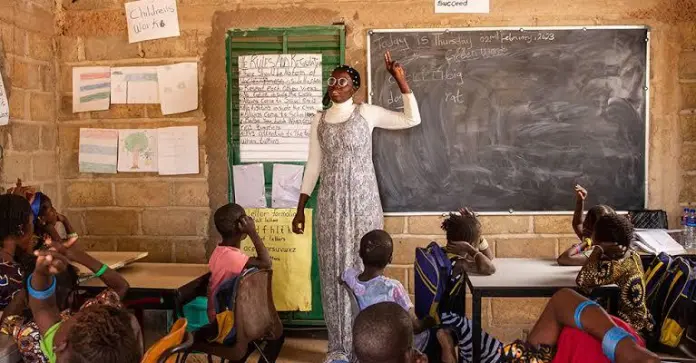
The persistent issues have led to widespread dissatisfaction and considerable frustration among residents, who had anticipated a stable and consistent power supply following the project's launch. Many households now face recurring outages, which have forced some families to return to alternative energy sources such as kerosene lamps or generators, incurring additional costs and health risks. Power cuts are also significantly affecting students who are preparing for examinations, impacting their ability to study effectively at night and potentially hindering their academic performance. Leaders emphasize the immediate need for intervention to ensure that the infrastructure functions as intended and truly serves the communities it was designed to benefit. The disparity between the project's promise and its current reality has created a sense of disillusionment among the populace.
Calls for Urgent Resolution
The widespread problems highlight a critical need for immediate and sustained action from the relevant authorities. Community leaders and residents alike are united in their demand for a swift resolution to the ongoing power crisis. The call to action is directed at both the National Water and Electricity Company (NAWEC), as the primary utility provider, and the Ministry of Petroleum, Energy and Mines, which oversees energy policy and infrastructure development. Addressing the root causes, including technical faults, load shedding practices, and the apparent lack of a strong maintenance plan, is critical to restoring confidence and ensuring the long-term viability of the Rural Electrification Project in the Upper River Region. The future development and well-being of the communities depend heavily on a reliable and consistent electricity supply.