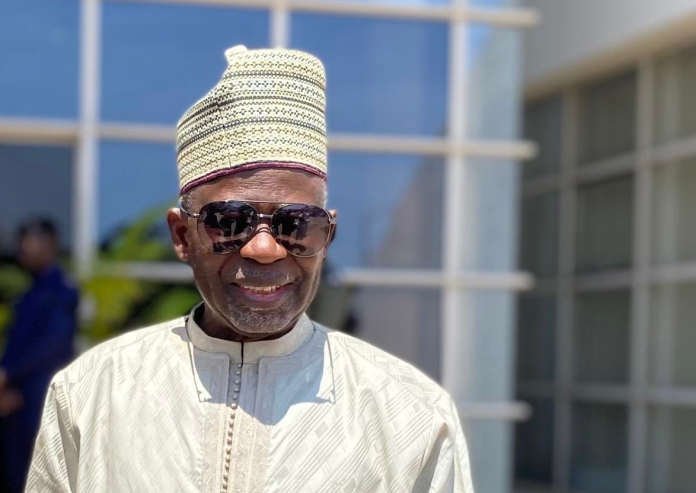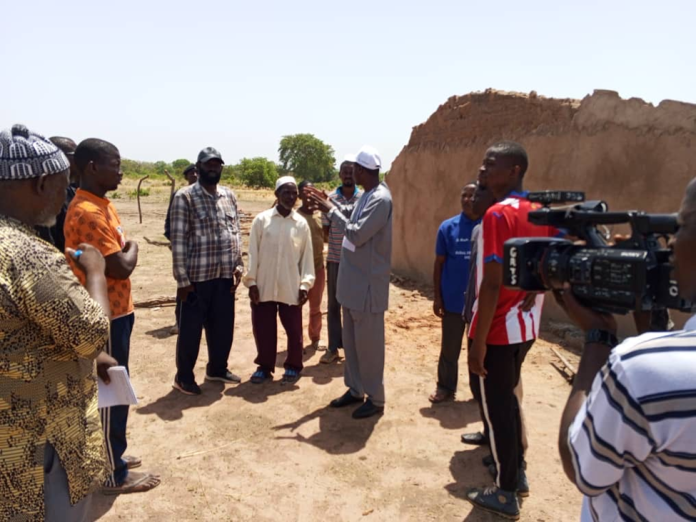
The Governor of the Upper River Region (URR), Samba Bah, led a delegation on Saturday to inspect communities and schools devastated by recent windstorms. The inspection covered areas including Bagadagi, Julangel, and Jimara District, where the storms caused significant damage. Bah's visit aimed to assess the extent of the destruction and understand the immediate needs of affected residents. The Governor's presence on the ground showed the regional administration's commitment to supporting its citizens during this challenging period.
Many families' homes were completely devastated by the storms, forcing them to rely on neighbours for temporary shelter. This situation notes the urgent need for assistance in the affected communities. The extensive damage to residential structures has left numerous households without adequate housing, exacerbating the humanitarian concerns. Governor Bah's delegation documented the damage to facilitate potential aid and recovery efforts for those impacted across the region. The full documentation process is critical for securing resources and coordinating effective relief operations in the coming weeks and months.
Assessing Devastation on the Ground
The assessment mission visited several locations affected by the storms, including Bagadagi and Julangel Upper and Senior Secondary Schools in Jimara District. Further inspections were conducted in Dasilameh Secka and Demba Wandu within Sandu District, as well as Jah Kunda in Wulli West. The purpose of these visits was to document the damage to infrastructure and residential areas. The delegation meticulously surveyed the destruction, noting the types of structures affected and the severity of the impact. This on-the-ground assessment provided key firsthand information regarding the immediate needs of the population.
URR Regional Disaster Management Coordinator Huddle Colley stated that assessment teams were actively compiling information on affected households and material losses. These teams are systematically gathering data to quantify the impact of the recent windstorms across the region. The collected information aims to provide a full overview of the destruction. Mr. Colley emphasized the importance of accurate data for effective disaster response and long-term recovery planning. The teams are working diligently to ensure that no affected family or property is overlooked in their assessment.
Assessments are continuing across the Upper River Region to determine the full extent of the destruction. Officials are working to ascertain the total number of displaced families and the scope of material damage. This ongoing effort is key for understanding the overall impact and planning subsequent recovery operations in the affected communities. The scale of the damage necessitates a thorough and systematic approach to ensure that aid and resources are directed where they are most needed. The regional administration is coordinating closely with various stakeholders to streamline this assessment process.
Governor's Warning and Call to Action
Strong winds tore off roofs, damaged homes, and displaced families in the affected areas of the Upper River Region. Governor Samba Bah emphasized the importance of direct engagement with those impacted. "It is always important that you go and meet affected families, console them, and see the situation for yourself to get first-hand information so you are properly informed," Governor Bah stated, acknowledging the severity of the damage. He added that "some families’ homes were completely devastated." The Governor expressed his deep concern for the welfare of the residents, particularly those who have lost their homes and livelihoods.
Governor Bah cautioned residents to remain vigilant and prepare for further extreme weather events, as the rainy season has just begun. "This is just the beginning of the rainy season. We cannot tell what will happen in the next minute, hour, or day, and that is what makes disaster management very difficult," he remarked. The governor attributed the increasing impact of storms across the region partly to widespread deforestation. "When you go there, the first thing you notice is that there are no windbreakers or trees at all. That is what makes those areas very vulnerable," he explained. He explicitly blamed widespread deforestation for increasing the impact of storms across the region, noting the environmental degradation that contributes to such severe outcomes.
Governor Bah further elaborated on the human role in environmental degradation, stating, "The severity of these storms is also caused by man himself through the destruction of our forests. If we destroy the forest cover, obviously we will face these consequences." He showed the urgent need for environmental protection and reforestation efforts to mitigate future disaster risks. He also issued a call for broader community involvement in disaster preparedness and response. "I am also calling on the private sector, civil society and other partners to complement government efforts. This is not only the government’s responsibility, it is for all of us," Governor Bah urged. He stressed that a collective approach involving all sectors of society is essential for building resilience against natural disasters.
Coordinated Response and Future Preparedness
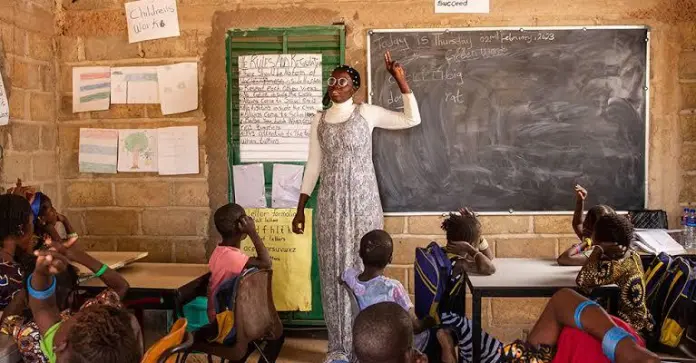
The newly constructed Bagadagi and Julangel Upper and Senior Secondary Schools were among the hardest-hit facilities, with roofs completely ripped off. The damage to educational infrastructure poses a significant challenge for the resumption of schooling in these areas. Information regarding the destruction in the Upper River Region had already been shared with national authorities, ensuring that the central government is aware of the situation and can mobilize support. Governor Bah observed that many of the worst-affected settlements lacked trees that could have acted as natural barriers against strong winds. "When you go there, the first thing you notice is that there are no windbreakers or trees at all. That is what makes those areas very vulnerable," Governor Bah stated. This observation reinforced his earlier points about the critical role of forest cover in protecting communities.
The National Disaster Management Agency (NDMA) is expected to coordinate the response efforts. This national agency will play a key role in channeling resources and expertise to the affected areas, working in conjunction with regional authorities. Basse Area Council Vice Chairman Hon. Aboubacar M. Danjo mentioned that the council's disaster assessment taskforce was concentrating on communities with the greatest damage due to limited resources. "This field visit is part of that commitment," Hon. Danjo said, adding, "We will review our findings next week and decide what support we can provide for the affected people." He further indicated the council’s focus on the most impacted areas, acknowledging the practical constraints that necessitate prioritizing aid distribution. The council is committed to supporting those most severely affected, ensuring that limited resources are utilized effectively to provide immediate relief and foster long-term recovery.