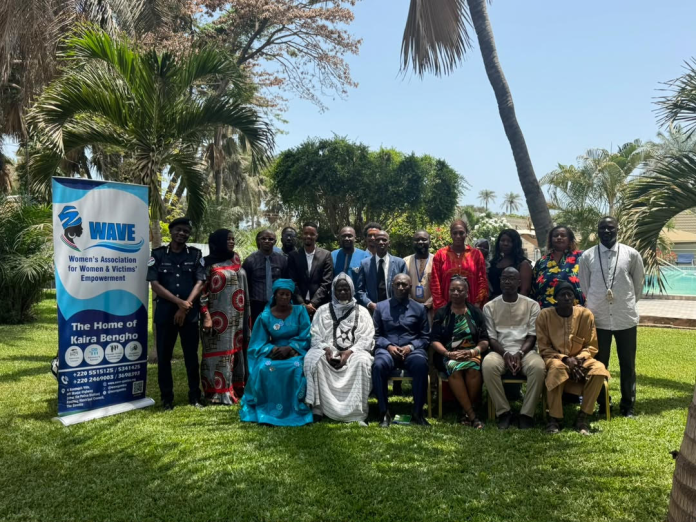
The Women’s Association for Victims’ Empowerment (WAVE) has called for renewed peace and reconciliation efforts between the Ndigal Sect and the Kerr Mot Ali community in the Upper Saloum District of the Central River Region. The appeal was made on Thursday during a day-long stakeholder consensus meeting held at Metzy Hotel. The forum specifically brought together representatives from both the Ndigal Sect and the Kerr Mot Ali community, aiming to foster dialogue and resolve ongoing tensions. WAVE emphasized the importance of sustained engagement to achieve lasting peace in the region. The meeting, which gathered key stakeholders from both communities, served as a critical platform for direct engagement and the airing of grievances in a structured environment. This direct interaction is considered vital for building bridges and fostering mutual understanding after years of strained relations.
TRRC Findings and Historical Context
The dispute between the Ndigal Sect and the Kerr Mot Ali community dates back to 2009, marking a deeply entrenched conflict spanning over a decade. This long-standing conflict was among the cases meticulously examined by The Gambia's Truth, Reconciliation and Reparations Commission (TRRC), a body established to investigate human rights violations that occurred under the former regime. The TRRC found that members of the Ndigal Sect were subjected to severe persecution, including forced displacement from their homes, restrictions on their religious freedom, and the unlawful deprivation of access to their properties. These actions led to significant hardship and a profound sense of injustice among the affected individuals.
Under Theme 8 of its full report, which specifically focused on attacks against religious freedom, the TRRC delivered a clear and unequivocal conclusion. The commission determined that the removal of members of the Ndigal Sect from Kerr Mot Ali and their subsequent displacement amounted to deportation. The TRRC concluded that these actions constituted grave violations of both national laws and established international human rights standards. This finding showed the severity of the abuses suffered by the Ndigal Sect and provided a formal acknowledgment of their victimhood, laying the groundwork for calls for justice and reconciliation. The TRRC's detailed findings serve as a key historical record and a basis for current peacebuilding initiatives.
WAVE's Reconciliation Initiative
The recent meeting's theme was explicitly articulated as: “Advancing the Implementation of the TRRC Recommendations through Community-Led Peacebuilding, Dialogue, and Reconciliation.” This theme encapsulates the core objectives of the gathering. It represents part of ongoing efforts by the Women’s Association for Victims’ Empowerment (WAVE) and its partners. These initiatives aim to support the vital implementation of the Truth, Reconciliation and Reparations Commission's (TRRC) recommendations through community-led dialogue, reconciliation, and peacebuilding activities that are specifically designed to heal the deep divisions created during the Jammeh era. WAVE and its partners are committed to ensuring that the TRRC's findings translate into tangible and sustainable peace at the grassroots level. They believe that true reconciliation must be rooted in the affected communities themselves, empowering local actors to lead the healing process.
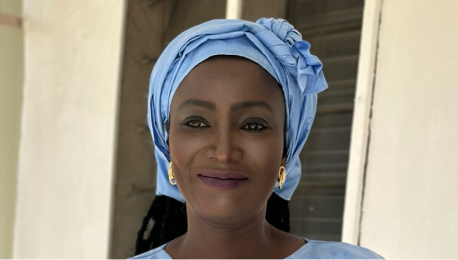
Priscilla Yagu Ceesay, Co-founder and Senior Technical Adviser at WAVE, emphasized the critical importance of connecting reconciliation efforts directly with the protection and promotion of human rights. Ceesay elaborated on this nexus, stating, "Human rights promotion and protection must also be aligned with The Gambia’s due diligence obligations: positive duties to prevent violations, protect citizens and provide remedies." WAVE's approach meticulously integrates these fundamental principles, seeking to build not just temporary truces but lasting peace in the affected communities by addressing the root causes of conflict and ensuring accountability. The organization's unwavering commitment to community-led processes shows a deeply held belief that local engagement and ownership are absolutely key to effectively addressing historical grievances and fostering long-term stability and social cohesion.
Community Hopes and Next Steps
Mariam J. Ceesay, Head of Operations at WAVE, stated that the establishment of an informal peace committee would constitute a significant and necessary step toward rebuilding trust and reconciliation within the community. Ceesay explained the envisioned role of such a body, saying, "The community informal peace will look into ways of establishing peace for the community of Kerr Mot Ali." This proposed committee is seen as a flexible, community-driven mechanism to mediate disputes and facilitate dialogue outside of formal structures, responding directly to the specific needs and dynamics of Kerr Mot Ali.
Kebba Secka, a resident of Kerr Mot Ali and a follower of the Ndigal Sect, warmly welcomed the initiative, expressing profound hope that the effort would significantly strengthen social cohesion between the two sides. Secka further elaborated on the meeting's overarching objective, stating, "The purpose of the meeting is to eventually establish a peace structure that would lead to the government’s establishment of the Peace Committee that was recommended by the TRRC. Among the recommendations was to bring social cohesion." His statement notes the community's aspiration for a formal, government-backed peace structure that builds upon local efforts, ultimately aiming for a full and enduring resolution to the long-standing conflict. The community representatives present at the meeting expressed a shared desire for a future where both the Ndigal Sect and the Kerr Mot Ali community can coexist peacefully and harmoniously, leaving the painful past behind.