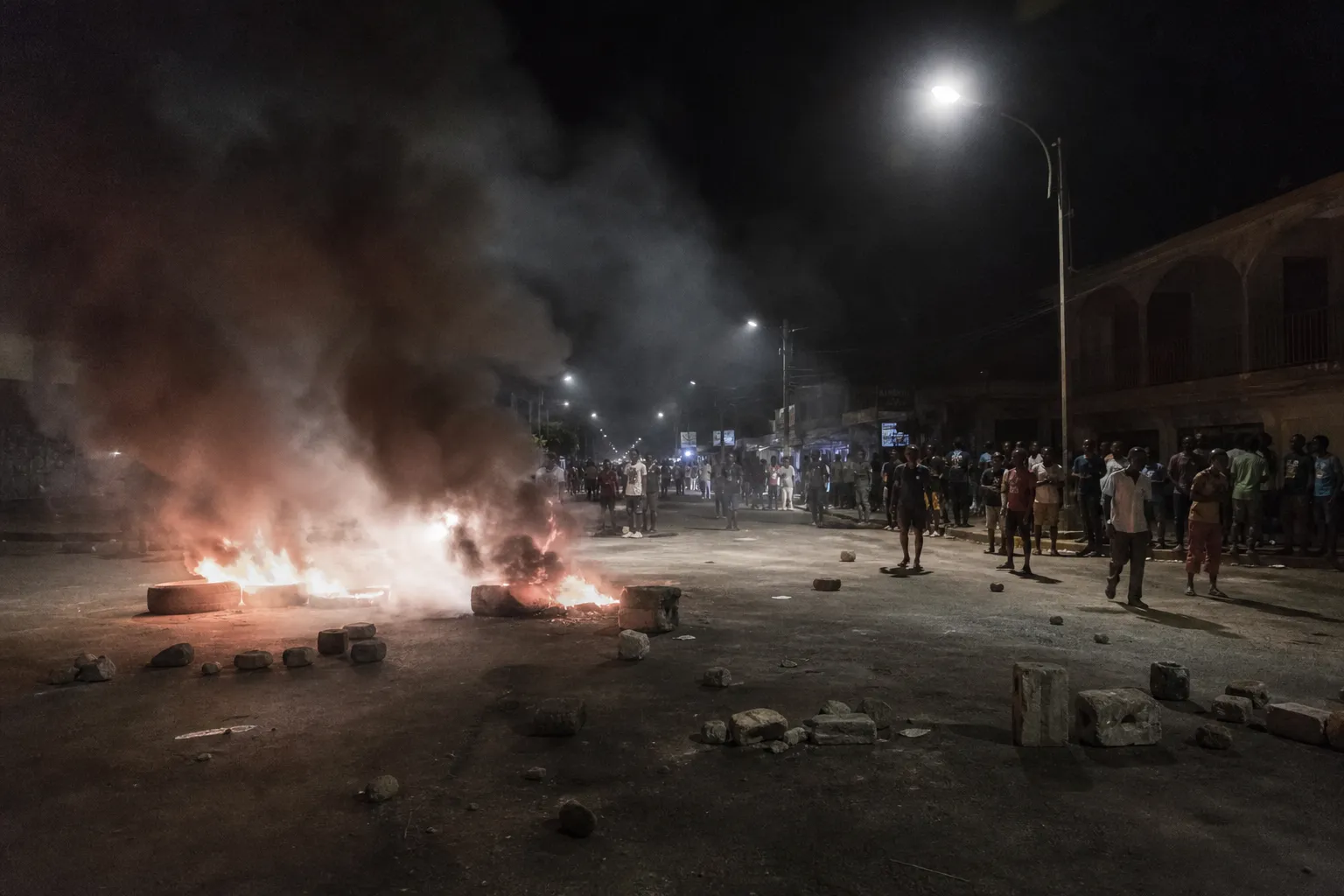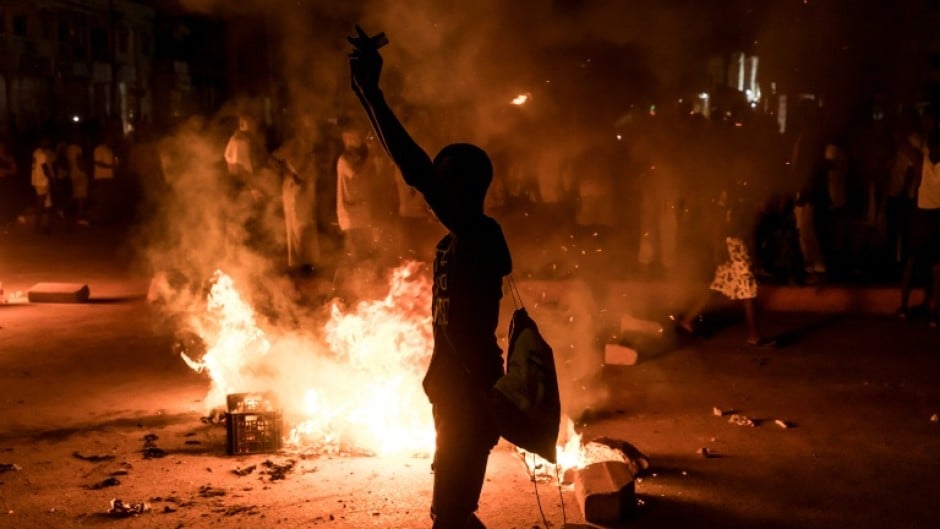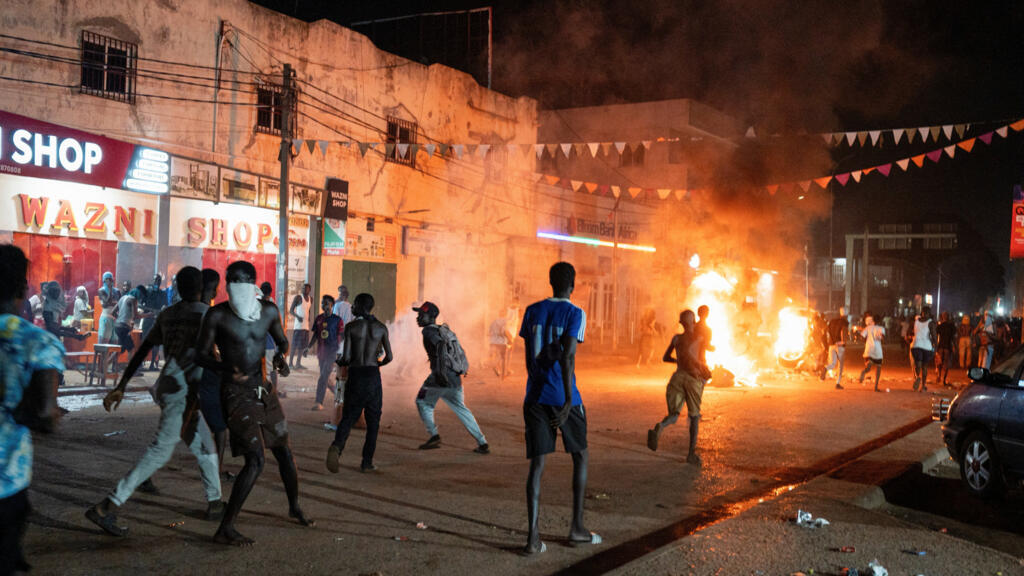
Protests have erupted across The Gambia in recent days, with demonstrators taking to the streets in Banjul, Kanifing, Brikama, and Brufut to voice their anger over severe power outages that have crippled daily life and economic activity. The widespread unrest comes at a critical juncture, as President Adama Barrow prepares to seek a third term in December's election. Residents across the nation have reported power cuts lasting between 16 to 18 hours daily, frequently extending to 20 hours, and at times stretching to an unbearable 24, 36, or even 48 hours. These prolonged blackouts have not only disrupted essential services and household routines but have also severely impacted businesses, education, and healthcare, exacerbating public frustration. The sustained lack of electricity has led to significant economic losses for small and medium-sized enterprises, while also posing health risks due to refrigeration failures and limited access to medical facilities during extended dark periods.
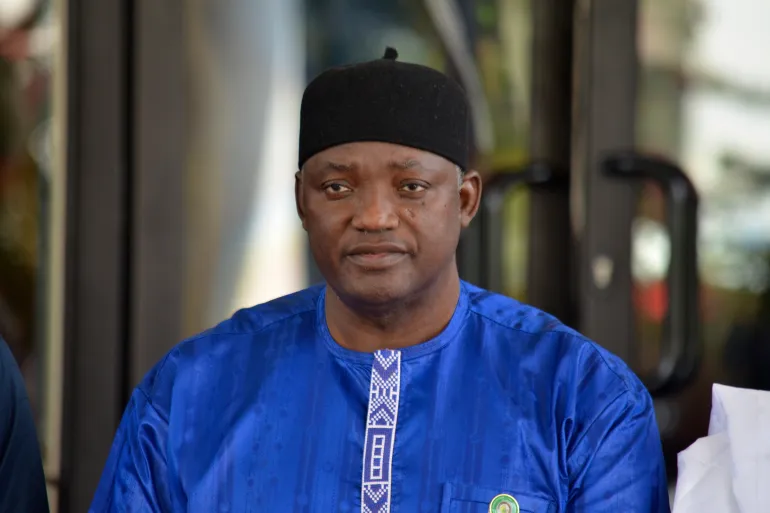
President Adama Barrow addressed the ongoing energy crisis, acknowledging the severity of the situation and outlining government efforts. "The Government is in the final stage of installing an additional twenty-four (24) megawatts generation machine at the Brikama Power Station, which we visited today," Barrow stated. This new capacity, he indicated, is specifically aimed at alleviating the chronic electricity shortages that have plagued the country. He further added, "This will be commissioned by the end of October 2026. For a system of our size, this is considerable power, enough to make a big difference in your homes." This commitment shows the administration's recognition of the urgent need for increased generation capacity to meet the nation's growing energy demands.
Roots of the Blackout Crisis
The Gambia's current energy crisis stems from a significant and persistent gap between electricity demand and available generation capacity, a challenge that has deep structural roots. At peak consumption this year, the nation required between 100 and 110 megawatts of power to adequately supply its population and industries. However, the operational availability of domestic generation capacity frequently falls below 50 percent of the installed base, exacerbating supply shortfalls and making it impossible to meet peak demand. The World Bank notes that the country has approximately 90 megawatts of installed generation capacity, a figure that notes the persistent deficit when compared to the 100 to 110 megawatts required at peak consumption. This substantial discrepancy between what is needed and what can be reliably generated is a primary driver of the prolonged power cuts.
A substantial portion of the country's electricity supply has historically been met through imports, showing a critical vulnerability in its energy infrastructure. Approximately 75 percent of The Gambia's electricity consumption was imported from Senegal in 2025, noting a deep reliance on external sources to bridge the domestic generation gap. This dependency is further complicated by challenges in securing consistent internal generation, which has proven difficult to maintain and expand. The reliance on external power sources makes the national grid susceptible to fluctuations in regional supply and pricing, adding another layer of instability to the country's energy security.
National Water and Electricity Company (NAWEC) had previously relied on a Turkish floating power plant, Karpowership, which provided approximately 30 megawatts to the national grid. This significant contribution represented a key component of the country's power supply, helping to mitigate some of the existing shortfalls. However, the agreement with Karpowership was not renewed in 2025, removing a substantial chunk of available power from the national grid. The decision not to renew this contract further strained the already precarious energy supply, leaving a considerable void that the domestic infrastructure has struggled to fill. This loss of 30 megawatts significantly contributed to the current severity of the outages.
Adding to the domestic generation issues and the loss of the Karpowership supply, external factors have also impacted energy availability, demonstrating the multi-faceted nature of the crisis. This year, high temperatures and low rainfall in Guinea limited the hydroelectric power export that The Gambia could receive, further reducing the overall power available to the country. These environmental conditions in a neighboring country directly affected The Gambia's energy imports, illustrating the interconnectedness of regional power grids and the vulnerability of relying on external sources. These combined pressures—insufficient domestic capacity, the non-renewal of a key power provider, and external environmental factors—have contributed to the severe and prolonged power outages experienced across the nation, creating a perfect storm for the current energy crisis.
Government Response and Promises
In response to the escalating crisis and public outcry, President Adama Barrow pledged that the country's electricity situation would improve or be resolved by the end of October. This promise aims to reassure a frustrated populace grappling with daily inconveniences and economic setbacks. As part of the government's visible efforts to address the ongoing energy crisis, the President visited two of The Gambia's major power plants on Tuesday. These visits were intended to assess the current operational status and oversee the progress of planned improvements. During these inspections, the government confirmed it is actively installing an additional twenty-four (24) megawatts generation machine at the Brikama Power Station, which is expected to bolster the national grid significantly. This new machine, a key component of the government's strategy, is slated for commissioning by the end of October 2026, indicating a long-term plan for capacity enhancement. The government is hopeful that this additional capacity, once operational, will substantially reduce the frequency and duration of power outages, providing much-needed relief to homes and businesses.
Amidst efforts to address the power shortages and expand generation capacity, the National Water and Electricity Company (NAWEC) has also reported significant cost reductions, signaling a focus on operational efficiency. NAWEC has managed to cut costs by up to 42 percent through collaboration with the Gambia River Basin Development Organisation (OMVG). This efficiency measure comes as the government seeks to stabilize the nation's power supply ahead of upcoming elections, demonstrating a dual approach of increasing supply and optimizing existing resources. These cost savings are key for a utility company operating under significant financial and operational strain, potentially freeing up resources for maintenance and further investment in infrastructure. The government's strategic initiatives, combining new installations with cost management, aim to build a more resilient and sustainable energy sector for The Gambia.
Voices from the Streets and Analysis
The public's frustration has boiled over into widespread demonstrations, with protesters voicing their discontent with the ongoing power crisis. During demonstrations in various Gambian cities, including Banjul, Kanifing, Brikama, and Brufut, protesters were heard chanting "Barrow must go," a clear indication of the political pressure mounting on the current administration. This public outcry notes the severe challenges faced by the National Water and Electricity Company (NAWEC) in meeting demand, despite their efforts to manage costs and integrate new capacity. The World Bank notes that the country has approximately 90 megawatts of installed generation capacity, a figure that shows the persistent gap between the nation's energy infrastructure and its consumption needs. This capacity often falls short of the 100 to 110 megawatts required at peak consumption, creating an inherent imbalance that leads to widespread blackouts.
Blackouts and an unstable electricity supply have, unfortunately, been a persistent problem in The Gambia, with similar issues also observed during the tenure of former dictator Yahya Jammeh. This historical context suggests a long-standing challenge in the country's energy sector, predating the current administration and indicating systemic issues that require full and sustained solutions. The continuity of these power problems across different political eras notes the deep-seated nature of the infrastructure deficit and the difficulty in rapidly scaling up generation to meet increasing demand. The current protests, therefore, are not merely a reaction to recent outages but reflect decades of public frustration with an unreliable power supply, making the issue a significant political challenge for President Barrow as he seeks re-election. The public's demand for consistent electricity is a fundamental expectation that the government is under immense pressure to fulfill.