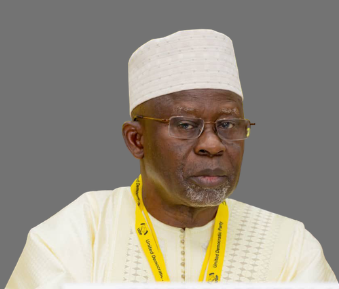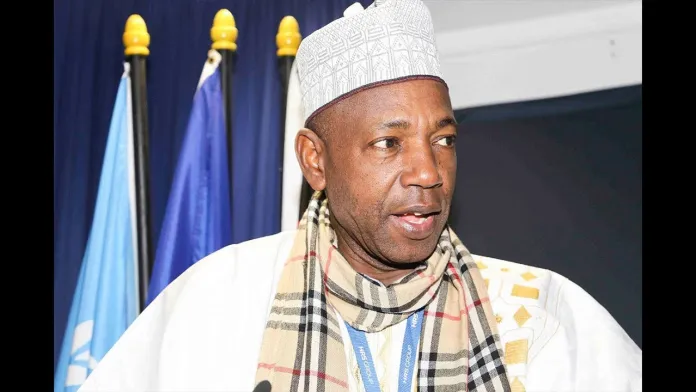
The Gambia's Minister of Lands, Regional Government and Religious Affairs, Hamat Bah, has urged for immediate and enhanced investment in urban areas. Minister Bah specifically called for increased investment in housing, stronger urban financing mechanisms, and intensified climate resilience efforts to address the multifaceted challenges facing the nation's rapidly growing urban centers. This full approach is deemed essential for fostering sustainable development and improving the quality of life for urban residents across the country.
Urban Challenges and Reforms
The Gambia is currently experiencing rapid urban transformation, primarily driven by significant population growth, a notable increase in rural-to-urban migration, and the expansion of informal settlements. These demographic shifts exert immense pressure on existing resources and infrastructure. This transformation contributes to persistent housing shortages, which particularly affect low and middle-income earners across the country, making affordable and adequate housing a critical concern. Additionally, the nation faces substantial gaps in critical infrastructure, public transport systems, and the provision of basic services within its urban areas, further exacerbating the challenges of rapid urbanization. The rapid pace of this development necessitates proactive and strategic interventions to manage growth effectively and ensure equitable access to resources.
In response to these pressures, The Gambia has initiated several key reforms aimed at creating a more structured and sustainable urban environment. These include the development of the Gambia Lands Policy 2026–2035, which aims to provide a strategic framework for land management, ensuring more equitable access and sustainable use of land resources. Concurrent efforts are underway to implement legal and institutional reforms specifically targeting land administration practices, which are vital for establishing secure land tenure and promoting orderly development. The government is working to strengthen decentralization initiatives and enhance local governance structures to better manage urban development and service delivery, empowering local authorities to address community needs more directly and efficiently. These reforms are foundational to building resilient and well-managed urban spaces.
Climate Change Impacts
Climate change is further exacerbating urban challenges in The Gambia, adding another layer of complexity to the nation's development agenda. Rising sea levels, coastal erosion, and increased flooding pose significant threats to urban communities and critical infrastructure, particularly in low-lying coastal areas. These environmental pressures disrupt livelihoods, displace communities, and strain public services. To address these vulnerabilities and mitigate the impacts of a changing climate, ongoing interventions include the World Bank-supported West Africa Coastal Areas Management (WACA) Project. The WACA Project specifically aims to reduce flood risks and strengthen resilience for communities situated along the Kotu Stream, a key area impacted by these environmental pressures, by implementing protective measures and sustainable management practices. This project is a key component of The Gambia's broader strategy to adapt to climate change and protect its urban populations.
Future Priorities and Financing
Looking ahead, three future priorities have been identified as key for sustainable urban development in The Gambia. These include scaling up affordable housing initiatives to address the persistent shortages, improving access to sustainable urban finance to fund necessary infrastructure and services, and strengthening cooperation among all stakeholders, including government, civil society, and the private sector. To achieve these ambitious goals, development partners are urged to expand concessional financing and support innovative funding mechanisms that can unlock significant investments in urban areas. Additionally, there is a call for greater use of digital tools, geospatial systems, and artificial intelligence to enhance planning, improve service delivery, and facilitate data-driven decision-making within urban areas. These technological advancements are expected to streamline processes, improve efficiency, and lead to more effective urban management. These measures collectively aim to build more resilient and sustainable urban environments capable of supporting The Gambia's growing population.
Commitment to Sustainable Cities
These urban pressures are straining infrastructure, housing, and essential services across The Gambia, noting the urgent need for full and coordinated action. Secure land rights are central to sustainable development, housing delivery, economic empowerment, and social inclusion, providing a stable foundation for urban growth. The Gambia is committed to the New Urban Agenda, which aligns with these objectives by promoting sustainable urbanization as a driver of development and prosperity. The nation recognizes the importance of strong land tenure systems to support its growing urban populations and address the existing deficiencies in services, ensuring that urban development is inclusive and beneficial for all residents. This commitment shows a long-term vision for creating livable, equitable, and resilient cities.